You found a new place, notified your landlord about the move, cancelled all your subscriptions, talked to your utility providers, packed your stuff, and left the rest to the movers. Now, all that remains before you turn the page is to clean the property you used to call home. Simple, right?
Check the inventory and the condition recorded at the start of the tenancy. Cleaning deductions should relate to the evidence and relevant rules, including fair wear and tear, rather than a demand for perfection. Read current deposit-protection guidance.
A move-out clean helps prepare the property for handover. It does not guarantee the return of a deposit; keep records of the condition and agree which cleaning tasks are actually required.

Whatever your reasons may be, you need to clean your apartment thoroughly, following the right cleaning checklist. Here is ours. It covers all areas and nitty places that should be sparkle-clean during a move in or move out process.
Plan Apartment Cleaning
Going straight to cleaning might sound like a good idea, but having to go back and clean any area you missed will extend this tiresome task longer than if you plan beforehand and follow a step-by-step checklist.
- See what your tenancy agreement states about the state you should leave your apartment in;
- Make sure any belongings, luggage or other items are moved or stored somewhere where they won’t be on the way of the cleaning;
- Prepare all the equipment, supplies, and your favourite music playlist to go through this process like a true hero;
- Think of whether there is anything you need to repair or fix, which will require supplies and DIY skills, such as filling holes in the wall, fixing a door handle or a piece of furniture;
- Think of how much time the cleaning will take you. Depending on the size of your apartment, that may vary from a few hours to a day or two;
- Include which areas and rooms you’ll clean first and which last. High-traffic areas should be left for last so you don’t have to re-clean them at the end;
- Write each area, furniture or surface that we’ll list below and applies to your apartment and begin cleaning.
What to Clean in your Bedroom when Moving

As the bedroom will not be visited often during the last days of the moving, begin your cleaning there:
- Hoover and wipe all dust from all areas including those hard to reach spots such as behind and under the bed, wardrobe, nightstand, desk and other furniture;
- Dust and clean the windows, blinders, curtains, curtain rails, door frames, light fittings, picture frames etc. Careful with washing dry clean curtains only.
- Remove any fingerprints or other stains on the mirrors, doors, window sills, handles and other shiny or reflective surfaces and decoration;
- Look for cobwebs and remove them, every inch of your apartment should be spotless;
Pro tip: Liberate Windows from Smudges and Dust
Grab a bucket with soapy water, since you can expect lots of hidden dirt to reveal its true, messy colours. You should also wipe the window sills and their underside area to ensure that your windows pass the “finger swipe” test.
Inspect all exterior areas
If you have a garage, a big terrace or balcony or any other exterior area that you are responsible for, make sure to:
- Throw out any garbage and unnecessary items;
- Check for any needed repairs, stains on walls and floors and wipe everything thoroughly;
- Carefully clean each type of outdoor furniture you have.
Pro tip: Organise the Outdoor Space
If you are responsible for the garden, compare its condition with the agreement and inventory. Remove your decorations and belongings unless the landlord agrees otherwise. Do not assume a standard fine applies. Read tenant fee rules for England.
Cutting the grass and pulling pesky weeds that may have cropped up should also be high on your to-do list. Collecting decaying leaves, spraying the deck down, and brooming the area are a few extra things you can do to leave your landlord pleasantly surprised.
How to Clean Your Dining & Living Room when Moving
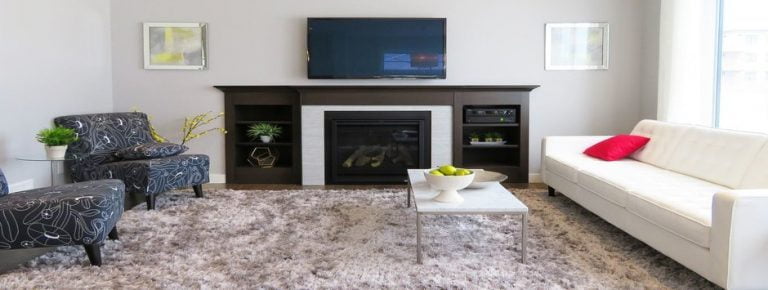
Similar to your bedroom, all floors, furniture, windows and other surfaces must be hoovered, dusted and wiped.
 Check all drawers and clean inside each one;
- Dust and wipe your upholstery and inspect for any stains you need to clean;
- Open any foldable furniture and clean all the dust;
- Mop hard floors and vacuum all carpets and rugs;
- Take care of any stains on your carpets or upholstery. Depending on the fabric of each, there are different methods and supplies used. Find out how to take care of the 5 most common carpet stains;
- If you’re unsure how to clean a specific stain, you can always book a professional carpet or upholstery cleaning;
- Check for skid marks, cobwebs, wall stains, fingerprints and clean them;
Pro tip: Take Care of Dusty Carpet Corners
If small portions of your carpets were previously trapped beneath furniture, it’s likely that you’ve never disturbed the dust there up until now. So, how do you deal with dirt and grime build-ups that have been sitting there ever since the beginning of your tenancy (if not earlier)?
Vacuum exposed carpet using the setting and attachment appropriate for its pile and care instructions. Do not automatically use the highest suction or a damp cloth on an unidentified fibre or backing. Read WoolSafe fine-fibre care guidance.
How to Clean the Bathroom During an End of Tenancy Clean

Your bathroom is the most humid place, making it susceptible to mould, mildew, and get rid of a damp smell can be a nightmare. Also, limescale, soap scum or even rust makes the bathroom one of the least desired places you’d want to clean.
- Clean accessible bathroom floors and walls with a method approved for their finishes.
- Choose descaler separately for the tap, bath and shower screen; check coatings, stone and product restrictions.
- Remove accessible hair from strainers without dismantling unfamiliar plumbing.
- Use a soft approved method for chrome, mirrors and shower doors. Read the material care guidance.
How to Clean the Kitchen when Moving:
The kitchen is the most complex area you must clean, there are many things your landlord will inspect, so put some extra effort here.
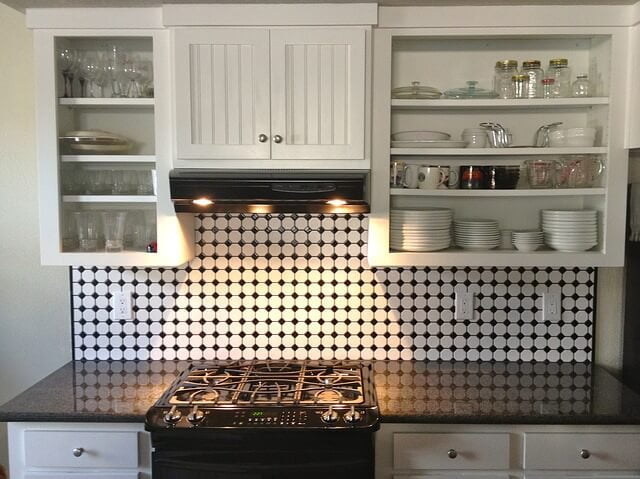 Clean accessible areas behind furniture and appliances only where they can be moved safely.
- Let the oven cool and follow its model-specific instructions for the cavity, liners, glass and accessories.
- Defrost and clean the fridge and freezer following their manuals and keep food safely stored.
- Empty cupboards and drawers and clean their approved surfaces, including accessible tops and undersides.
- Treat tiles, stone, metal and rubber according to their separate care requirements.
- Descale taps and coffee machines only with products and methods their manufacturers permit.
- Clean bins and dispensers; follow dishwasher and small-appliance instructions for removable parts and filters.
- Rinse and dry as directed. Do not combine household cleaners or polish every finish. Find the Smeg model guide.
Pro tip: Descale the Kitchen Sink
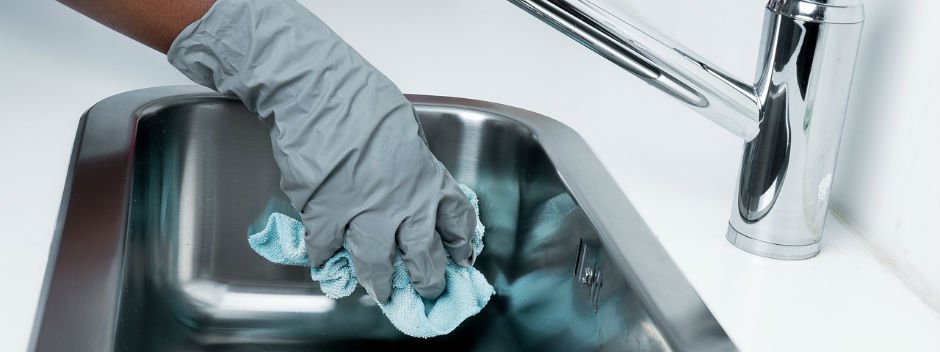
When cleaning the kitchen, we usually rinse all dirty surfaces and sponges in the sink, but forget to do the same with the sink. If it covers the walls of your sink in gunk and your faucets are rather greyish in appearance, then you must don your rubber gloves and get down to work.
Use the sink and tap manufacturers’ permitted everyday method, usually with a suitable soft cloth. Check the material before treating persistent stains or scale; baking soda and lemon juice are not suitable for every finish.
How to Deep clean Stairs, Hallway & Corridors
When cleaning those areas during your end of tenancy cleaning, make sure to pay extra attention to the high-traffic areas and any stains you might usually miss:
- Dust and hoover all carpets and rugs;
- Mop all hard floor surfaces;
- Wipe the dust of all skirting boards, cupboards, chandeliers, picture frames, hangers;
- Clean wardrobes, cupboards and other furniture inside, beneath, behind and on top;
- Remove any stains from the carpets and other cloth materials;
- Wipe any cobwebs, inspect each corner carefully.
Pro tip: Deal with Stains & Holes on Walls
Nails. Hooks. Skidmarks.
Photograph wall damage and discuss any repair with the landlord before filling holes or repainting. The permitted repair and paint finish depend on the surface and agreement.
Melamine sponges are abrasive and can alter paint or other finishes. Check the surface instructions before using one; do not assume it can safely remove almost any mark. Read the material care guidance.
Final Cleaning Tips for Your Apartment:
- Choose a product and method permitted for each surface rather than treating vinegar and baking soda as universal cleaners.
- Identify the carpet or upholstery before treatment. A small test does not override a care label or make an unsuitable method safe.
- If time or access is limited, agree the priority tasks and realistic scope with a suitable cleaner.
Failing to handle proper cleaning will likely result in unpleasant deposit deductions, so plan in advance, and clean.
Contact us for professional help.
Before working through the rooms, use our guide to planning the clean, removals and handover evidence.