
After Builders Cleaning Ilford
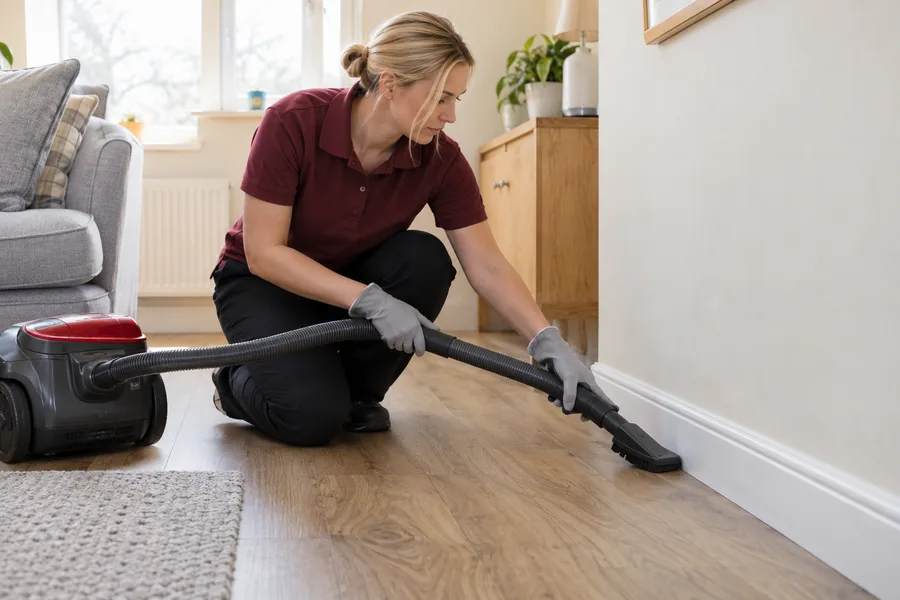
The dust may look similar while the surfaces underneath differ. Tell us about floors, worktops and fittings affected by the work at your Ilford property. We can discuss cleaning with the material information and remaining deposits clearly matched to each requested area.
- Materials identified across rooms
- Care notes matched to their surfaces
- Supplied tools and products for agreed tasks

Attach a material to each cleaning priority.
List the surfaces wanted and identify timber, tile, laminate, painted finishes or other materials where known. Use room labels on photographs so the details can be matched. If you are uncertain, share installer information or explain what you know without guessing. A broad description such as new surfaces can leave several different care questions unanswered.
Keep care instructions for coatings, films and recently fitted finishes available. Ask installers about readiness for cleaning where materials are new. Give those details in the enquiry before selecting products or applying one room’s guidance to another. Different surfaces should be discussed using their actual condition and care information.
Describe floor changes along the project route.
Give the floor type in each requested room and adjoining route. Explain ordinary settled dust separately from adhesive, paint or hardened construction residue. Locate damaged areas or altered finishes as existing concerns. If a carpet needs deeper work, ask about separate carpet treatment with its actual condition described; a general floor request does not define extraction or stain work.
Name kitchen tasks and the surfaces beneath deposits.
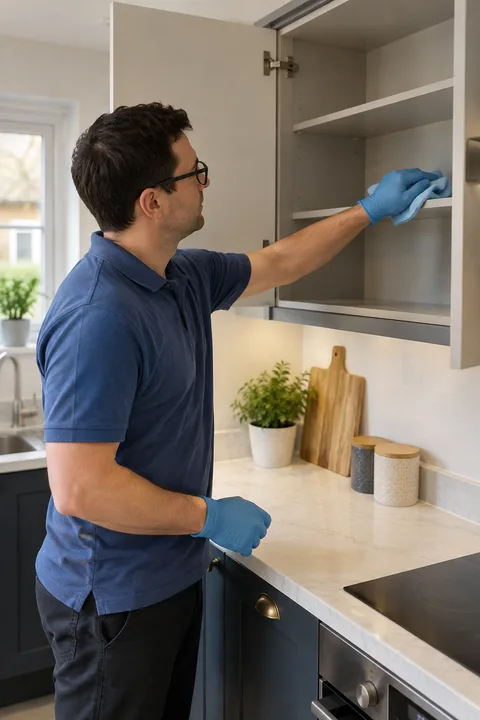
If kitchen work was involved, list accessible worktops, fronts and cupboard surfaces wanted. Say whether interiors are empty or in use. Share care instructions for the specific worktop and unit finishes rather than treating them as one material. Dust outside an appliance and grease inside it are different concerns to state before tasks are agreed.
Show fittings or belongings restricting the approach. Ask about accessible interiors expressly and leave unfamiliar panels assembled. The request should explain which surface can be reached without assuming every concealed area or stored item will be handled as part of cleaning.
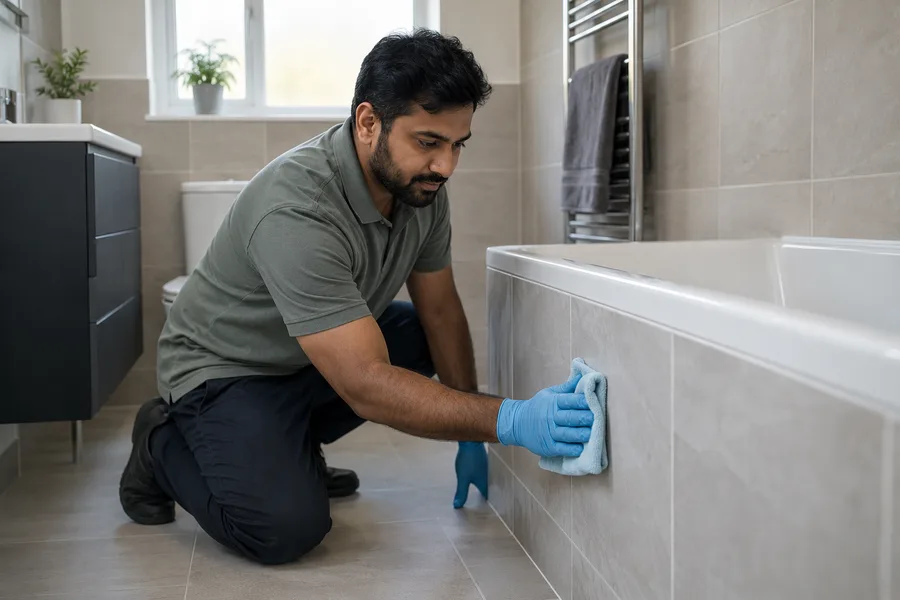
Include readiness guidance for bathroom finishes.
Describe dust on fittings, tiles and reachable ledges and share information about fresh sealant, grout or coatings. Ask the installer when the particular materials can be cleaned. Point out a scratch or changed finish separately from residue. Cleaning deposits is not repair or restoration, so keep those concerns distinct while the bathroom work is discussed.
Show the same-looking mark on its actual surface.
Paint or adhesive on glass, timber and a coated fitting may need different questions. Locate each concern and describe products already tried. Ask about proposed cleaning for the deposit and material before choosing scraping, solvents or abrasives yourself. Confirm what cleaning can be offered for each deposit and underlying finish.
If a mark’s cause is unknown, say so. Close photographs with wider locating views can help the enquiry without repeated treatment to test the surface. Hardened deposits and damage should be identified separately from ordinary dust.
Give the accessible edges a place in the list.
Name reachable ledges, skirting and surfaces where construction dust remains, including adjoining rooms if wanted. Explain where sanding or cutting occurred and whether it has finished. Ordinary project dust can be discussed for agreed areas, but suspected hazardous material needs a separate specialist question. Leave unknown substances undisturbed before an ordinary cleaning appointment.
Arrange access after affected work is complete.
Tell us when the trades finish and whether anyone returns for dusty adjustments. Identify tools, packaging or building waste and confirm their separate clearance arrangements. Discuss substantial or fixed obstructions before moving belongings and clear relevant small personal items once the working routes are agreed.
We bring cleaning tools and products for agreed after builders work. Give the entry contact and ask about utilities or other practical arrangements for the property if needed. Share the material list with the receiving person so the requested surfaces and care notes remain easy to identify.
Agree the tasks with the material information available.
We discuss the project, deposits, accessible surfaces and finishing schedule before booking. Ask for an estimate based on size and complexity, with different room materials clearly described. If a task is added later, update the list and complete quotation rather than carrying the first description forward unchanged.
For wider glass work, name panes and sides in a window-cleaning enquiry so access and inclusion can be discussed. If other rooms need older household dirt addressed, ask about one-off domestic cleaning for those separate tasks.

Ask for the full estimate across the agreed materials.
| Service | From |
|---|---|
| After builders cleaning | £25 per hour per cleaner |
Starting rates depend on availability and are published for areas within the M25. Applicable congestion charges are extra. Ask for the full quotation for the agreed work.
The starting rate is £25 per hour per cleaner. Confirm the applicable rate, cleaner numbers, estimated hours and total for the actual task list. Material care, dust, residue and access inform the discussion beyond room count. Availability needs checking and applicable congestion charges are additional. Keep separate carpet or glass treatments explicit in the combination.
Send the Ilford material labels with the postcode.
Mixed materials, care notes and renovation residue
What if I cannot identify a new surface material?
Share installer information or explain the uncertainty with a photograph. Use the details available rather than guessing a finish or selecting a cleaning product yourself.
Can one worktop care note apply to every kitchen surface?
Identify the units, worktop and other requested materials separately. Give the relevant guidance for each where available so their care questions remain clear.
Should similar paint marks on different materials be grouped together?
Locate each one on its actual surface and describe relevant history. The deposit’s appearance alone does not explain proposed treatment across different finishes.
How should a changed coating be recorded?
Identify it as an existing surface concern separately from dust or residue. Cleaning suitable deposits does not renew or restore the coating itself.
Do tools and products need to be purchased for the clean?
We bring them for the agreed after builders tasks. Share care guidance and ask about any practical utility arrangements that need confirming for your property.
What helps the receiving person show mixed surfaces accurately?
Give them labelled room photographs, the final task list and material-care notes. Keep existing-condition concerns attached to the relevant area.
Can each residue concern be matched to its material?
Call with the labelled surfaces and care information from your Ilford property. We can discuss accessible cleaning tasks, estimated hours and the complete quote.
Illustrative generated photographs show post-renovation cleaning situations, rather than actual staff or customer jobs.