Star Domestic Cleaners
Menu
A fabric sofa in a naturally lit UK living room
MATCH THE RECORD TO THE FURNITURE · EAST FINCHLEY

Upholstery Cleaning East Finchley

Care information is most useful when it belongs to the piece being cleaned. For East Finchley, share the sofa or chair’s label or instructions and explain its current condition. We can discuss suitable upholstery treatment with the material restrictions, requested surfaces and practical arrangements clear before booking.

  • Care records matched to pieces
  • Restrictions discussed in advance
  • Actual surfaces identified
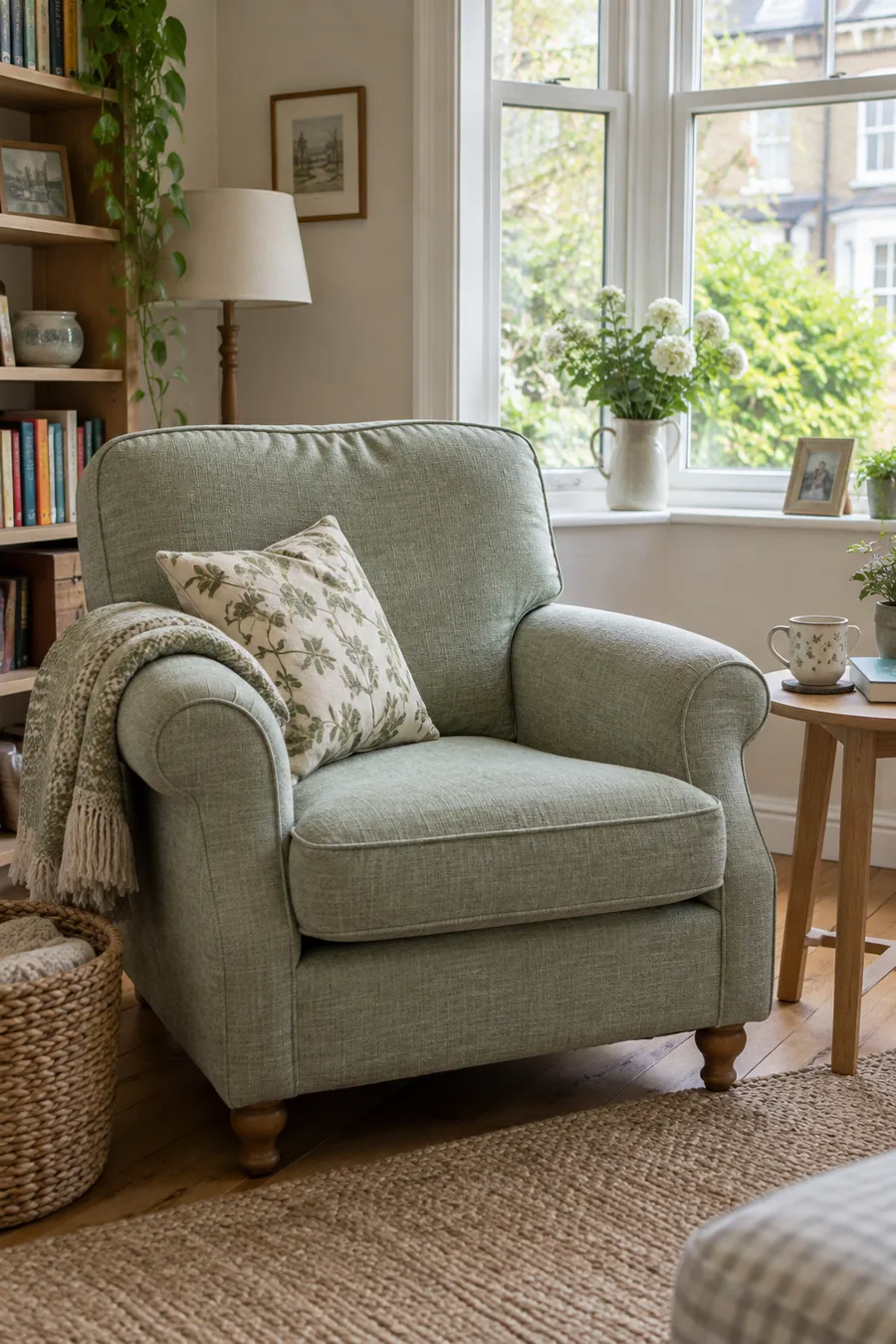
Textured fabric armchair in a UK sitting room
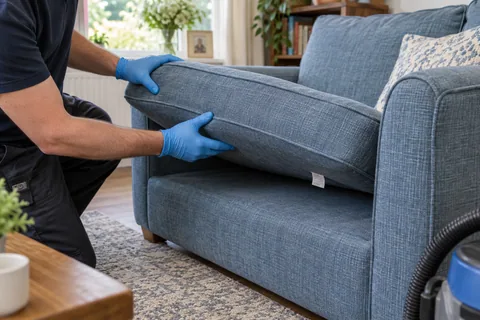
Hands checking a care label beneath a sofa cushion

Show which furniture the instructions describe

Share the relevant instructions and identify which sofa or chair they belong to. Include material details and moisture or product restrictions, with a clear label photograph where useful. If pieces were bought separately, match each record to the correct furniture instead of borrowing guidance from a similar-looking item.

Say where details are missing or uncertain. Mention contrasting panels, trim or cushion undersides that may differ from the main fabric. The guidance should be considered with the furniture’s current condition, including earlier treatment or colour changes, rather than treated as proof that every surface must receive one identical method.

Technician checking a fabric care tag beneath a cushion

Add the present condition to the original records

A care leaflet cannot show how the piece looks now. Give whole-furniture photographs and closer views of concerns, with dimensions and surfaces requested. Explain spills separately from gradual soiling, worn edges or fading. Some soiling may be treated while permanent changes remain, so the enquiry needs realistic priorities alongside the original instructions before the work and quote are confirmed.

Identify fixed panels and separate seats

Give the sofa’s seating capacity and name the arms, seat fronts, back panels and cushions you want considered. Explain whether care information differs across its surfaces. A label is useful, but it does not specify every face in the treatment request. Keep the actual area list clear so the receiving person understands both the furniture and the work agreed for it.

Keep loose-piece guidance with the right faces

Seats, backs and reverses

Count loose cushions and distinguish fixed upholstery. Identify requested faces, including a different underside fabric. Confirm inclusions rather than treating every cushion surface or internal filling as automatically part of the main sofa description.

Covers and joins

Show visible soiling around piping, folds or seams and mention damaged stitching separately. Leave unfamiliar covers and fastenings in place while preparation is discussed. A zip does not establish a suitable machine-washing method, and cleaning cannot repair upholstery.

Explain products used after the furniture was purchased

For food or drink, give the substance, age and products applied afterwards. Describe any colour or texture change following earlier treatment. Pet incidents and smell need recurrence and extent explained separately. Avoid unfamiliar products or hard rubbing while suitable work is considered. Some staining or odour can remain, particularly with damage or filling concerns, so the original guidance should accompany an honest account of the current mark.

Discuss the available options against the actual guidance

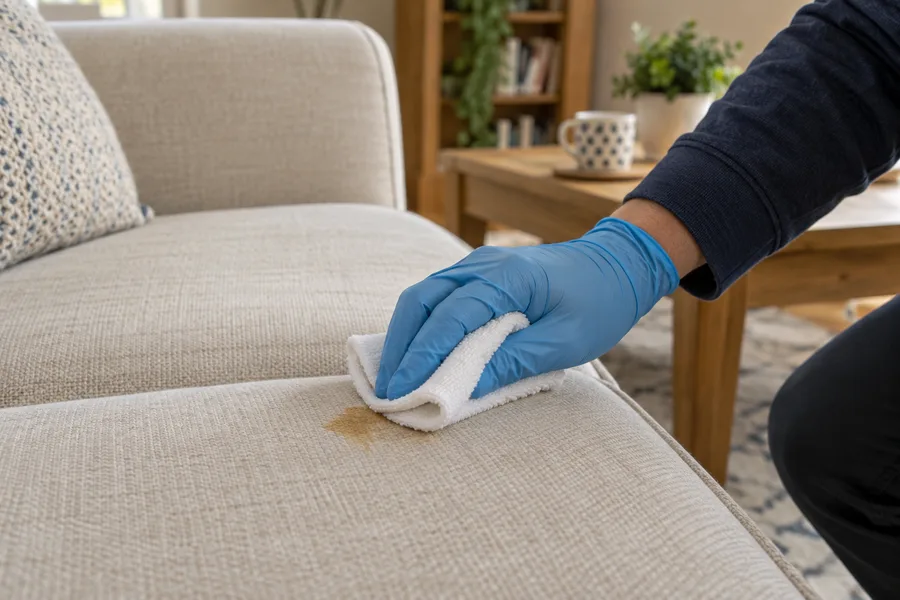
A gloved hand blotting a small mark on a sofa cushion

Hot water extraction

We offer hot water extraction for suitable upholstery. Share the restrictions, current condition and requested surfaces when discussing it. Ask what preparation and aftercare apply to the actual pieces instead of choosing from a method name before the material is described.

Dry cleaning and delicates

Dry cleaning is available too, including delicate-material options. Ask whether it fits the fabric information and work required. Care records help the discussion but do not establish one approach for every surface or a guaranteed result for an old mark.

Give the companion chair its own information

If an armchair also needs attention, identify its records, condition and requested surfaces independently. Explain the arms, seat and back, including any loose cushion. A matching suite can contain pieces with different construction or histories. They can be discussed in one enquiry while their actual treatment and pricing stay clear, rather than borrowing every sofa instruction for the chair.

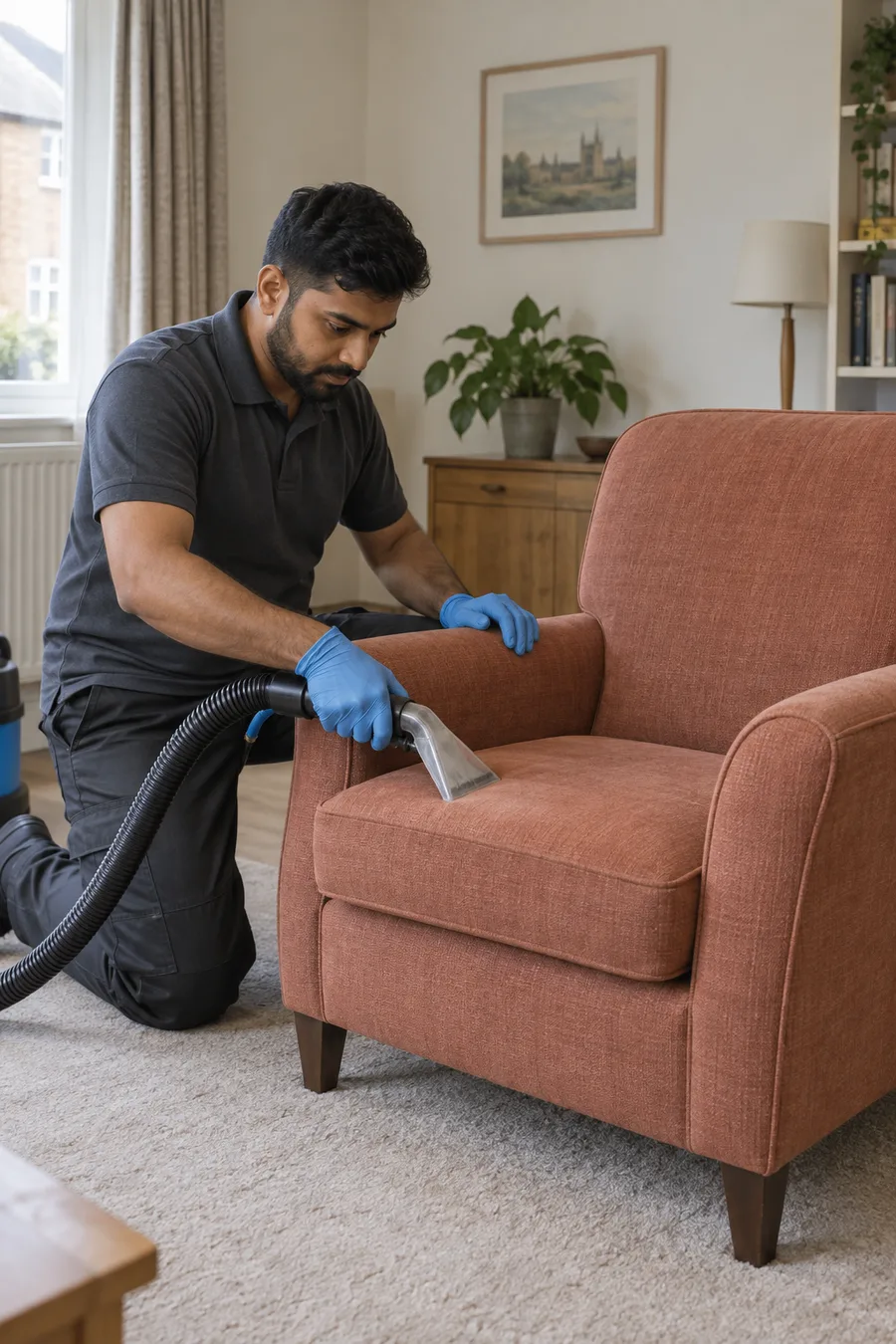
Technician treating the seat of a fabric armchair

Make the records available to the receiving person

Remove personal belongings and loose objects from requested furniture and clear the working routes. Give the entry contact the guidance and surface list, with particular requirements explained. Help with lightweight furniture is included; discuss heavier moving arrangements beforehand. Provide the East Finchley address, stairs and restrictions relevant to equipment, and ask what preparation is wanted for the selected work.

Ask for aftercare for the present treatment

Explain when the seating is needed and keep another option available. Drying varies with upholstery, treatment and room conditions. Ask about ventilation, cushion placement and return to sitting, including when throws or belongings can return. Follow advice for the actual work rather than assigning a ready time from the duration of cleaning or general information about another piece.

Confirm the quote with restrictions and surfaces included

An armchair starts at £15 for extraction or £19 for dry cleaning. A two-seat sofa starts at £36 or £42 respectively. Give size, fabric, layout and requested faces for the complete quotation. Area and availability affect pricing, with applicable congestion charges additional. Confirm inclusions and any protection’s suitability, inclusion or extra cost alongside the care requirements before booking.

Bring the guidance into the East Finchley booking

Call with the postcode, preferred dates and furniture records, identifying the pieces and faces requested. Give the entry contact and explain access restrictions or the next use of the seating. We can discuss suitable work and practical aftercare with those details together.

BEFORE THE FURNITURE IS TREATED

East Finchley questions about upholstery care records

Should I send the whole instruction label?

Share relevant guidance with the piece identified, including restrictions and material details. Explain any uncertainty rather than selecting only a word that appears to choose a method.

Can one set of records describe a matching suite?

Match instructions to the actual pieces they belong to. Similar appearance does not establish identical construction, material or care across the set.

Do original records replace a current-condition description?

Add photographs, mark history and earlier treatments. The guidance cannot show wear, damage or changes since the furniture was purchased.

What if a cushion reverse differs from the main fabric?

Identify it with available guidance and confirm the surfaces requested. Discuss suitable care for the actual face rather than borrowing every main-panel instruction.

Who should have the instructions at the appointment?

Give them to the entry contact with the agreed furniture list and particular requirements. They should also receive and pass on aftercare advice.

How is the treatment chosen when restrictions are present?

Discuss material guidance, current condition and requested work before selecting extraction or a dry option. Confirm preparation and aftercare for the actual pieces.

Match the records to the furniture request

Call with the East Finchley care information, current concerns and requested surfaces. We can discuss suitable work, practical access, aftercare and the complete quotation before the appointment.

Illustrative generated photographs show furniture and cleaning situations, rather than actual staff or local customer jobs.