At Domestic Cleaners, we know that when it comes to cleaning dirty ovens professionally, most people simply forget that scrubbing, removing grease and build-ups. But using natural cleaning solutions like lemon is one of many natural and eco-friendly alternatives to detergents.

Lemon contains acid, which can damage some finishes. Use it for appliance cleaning only where the exact oven’s care instructions permit it; natural ingredients are still chemicals. Find the Smeg model guide.
It will amaze you to see what lemon juice can do!
A lemon smell does not establish that an oven has been disinfected. For ordinary cleaning, concentrate on removing residue using the approved method for the appliance. Read cleaning-product safety advice.
Choose a cleaner by compatibility and instructions rather than assuming a homemade recipe is safer than a labelled product.
Let’s take a close look at how you can clean your oven using lemons.
Why Use Lemons to Clean Your Oven?
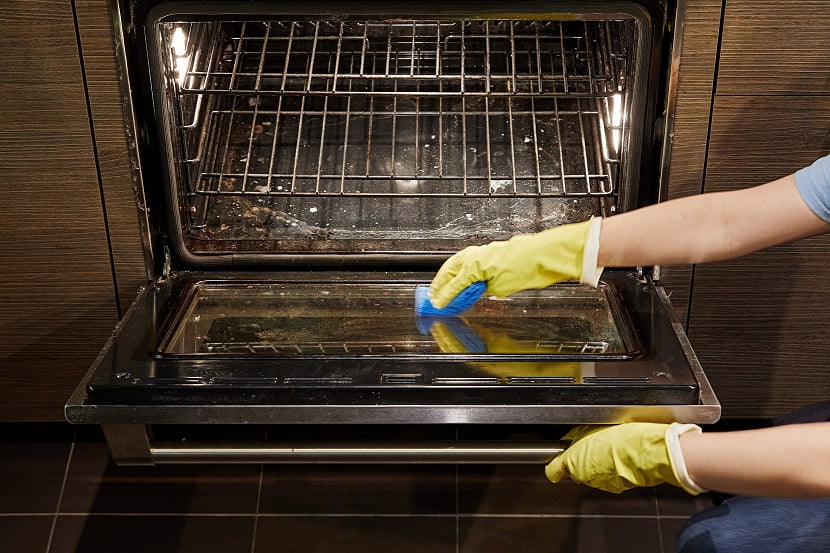
Acid can help with some mineral deposits on compatible materials, but that does not make lemon suitable for every oven surface, coating or seal.

A product’s label and the appliance manual should determine the cleaning method. Price and marketing do not establish whether a homemade substitute will work safely.
Recipes, follow below.
But, What About Other Water-based Products?
For burnt-on grease, follow the oven’s approved cleaning process. Lemon juice is not a guaranteed replacement for a suitable cleaner or a model-specific cleaning programme.
A Note on Oven Maintenance
It is essential to maintain appliances, be it gas or electric, to occasionally check and ensure the safety of your household, comments My Handyman Services. A faulty appliance can become the source of gas leaks, which could lead to carbon monoxide poisoning and even fires.
Keep gas-appliance servicing separate from cleaning. Use a Gas Safe registered engineer qualified for the relevant gas work; an electrician does not provide a general substitute for a gas safety check. Read Gas Safe appliance safety advice.
Oven Cleaning Method #1: Lemon Cleaning Solution

Before applying anything, identify which cavity surfaces, coatings and accessories are user-cleanable. Acid treatment must be expressly permitted for the surface involved.
- Let the oven cool and follow the manual’s preparation instructions.
- Use only a product and application method approved for the specific surface. Do not pour liquid into vents, controls or the cavity.
- Remove cleaner and residue as directed, avoiding seals and other excluded fittings.
- Use the specified method for door glass, which may differ from the cavity.
When you use lemon, you get to bring back the shine of your oven. It will also provide a fresh, clean smell that will elevate your mood.
Oven Cleaning Method #2: Lemon Oven Steam

Use steam cleaning only if the appliance provides an approved method. Do not assume a bowl of boiling lemon water is suitable for an oven without that instruction.
A steam-assisted programme has model-specific water quantities, preparation and cooling steps. Check those before starting, including whether any additives are permitted.
- Check whether the model has a user-approved steam or vapour-clean function.
- Use the specified water amount and container or cavity arrangement; do not add lemon or vinegar unless the instructions permit it.
- Run only the stated programme and allow the appliance and water to cool as directed.
- Remove loosened residue with the approved cloth and finishing method.
Oven Cleaning Method #3: Lemon and Baking Soda Cleaning
If the first permitted treatment leaves a mark, identify the remaining material before trying another product. Adding another ingredient is not an automatic improvement.

Do not rely on the fizz from an acid-and-bicarbonate mixture as evidence that grease has been removed. Use the method allowed by the oven and cleaner instructions.
- Confirm the oven material and permitted cleaner.
- Have the approved non-abrasive cloth or sponge ready.
- Keep the product label and model instructions available while working.
Follow the selected product’s amount, application and contact time. Do not increase the strength or extend the soak simply because a mark persists.
Use only the permitted level of gentle agitation. Stop if the finish changes or the residue will not release within the approved method.
After you have brushed the tough spots, you just need to rinse the inside of the oven with some warm water. Then, you must let the area dry to get rid of water spots.
Check whether shelves, racks and supports are user-removable and which products they permit. Do not soak coated accessories in an unidentified cleaner.
Follow the door-glass instructions separately. Glass, seals and surrounding fittings may need different treatment from the cavity.
Oven Cleaning Method #4: Lemon Rub

For a quick clean, deal with accessible cooled spills using the appliance-approved routine. Rubbing cut lemon across unidentified finishes is not a safe shortcut.
Here is what you will need to do:
- Allow the appliance to cool and check the approved routine-cleaning method.
- Clean accessible residue with the permitted product and soft tool.
- Avoid vents, controls, special liners and seals excluded by the manual.
- Remove the product and finish as instructed before returning the oven to use.
Create a Lemon DIY Cleaner
The fact that lemon is edible does not make it a cleaner for every household material. Keep oven care separate from stone, fabrics and other surfaces. Read natural-stone care advice.
Do not mix lemon juice, detergent and corn starch as a general household spray. Choose a product suitable for the intended surface and follow its label.
Do not heat an improvised cleaning mixture. Use only the preparation specified by the product and appliance instructions.
Ovens & Lemons
If you are considering lemon for oven cleaning, first check whether the manual permits acid on that exact surface. A fresh scent does not prove cleanliness, disinfection or safe return to use.
Get creative with how you use lemons to clean your home, and you will be surprised with what they can do.
Contact us for professional help.