
Describe the concern
Give the postcode and affected positions with the occupier’s history. We discuss accessible inspection and relevant moisture checks, including returning growth or partly hidden areas. Identify entry restrictions before booking.
If someone else arranges the visit, their account should include what the occupier sees. Give the affected surfaces, timing and access details. We can discuss inspection and suitable mould work for your Ilford address.

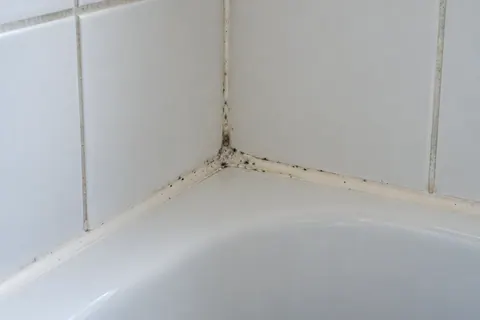
A tenant may see morning wetting while the person arranging the work only has an older photograph. Include both the current observations and earlier records, with the specific room and surface. Explain who provides entry and who approves additional work. This helps define the enquiry without making a legal decision about responsibility for the property.
A separate end-of-tenancy clean covers ordinary handover tasks. It should not be treated as mould assessment or a way to avoid reporting a moisture concern.

Keep dates, photographs and known repair or treatment details ready. Tell us about occupied rooms, furniture restrictions and any space another person controls. Do not move heavy items or open affected finishes to prepare. Ask what belongings need clearing and how occupants should be accommodated. If an agent needs written information, discuss the required scope and format rather than assuming every visit provides a report.
Give the postcode and affected positions with the occupier’s history. We discuss accessible inspection and relevant moisture checks, including returning growth or partly hidden areas. Identify entry restrictions before booking.
We explain accessible findings and the next questions supported by the evidence. Ask which surfaces can be treated and what still needs assessment. A room visit cannot establish every concealed condition or settle tenancy responsibility.
Confirm investigation, suitable treatment and preparation with whoever can approve the work. If findings change the proposal, revised inclusion and price should be clear before additional tasks are authorised.

Identify ceiling paint, grout, tile or sealant with the wider bath or shower setting. Include known extraction problems and recurrent patches. Suitable surface care and replacing a failed seal need separate agreement; neither should be inferred from a general cleaning request.
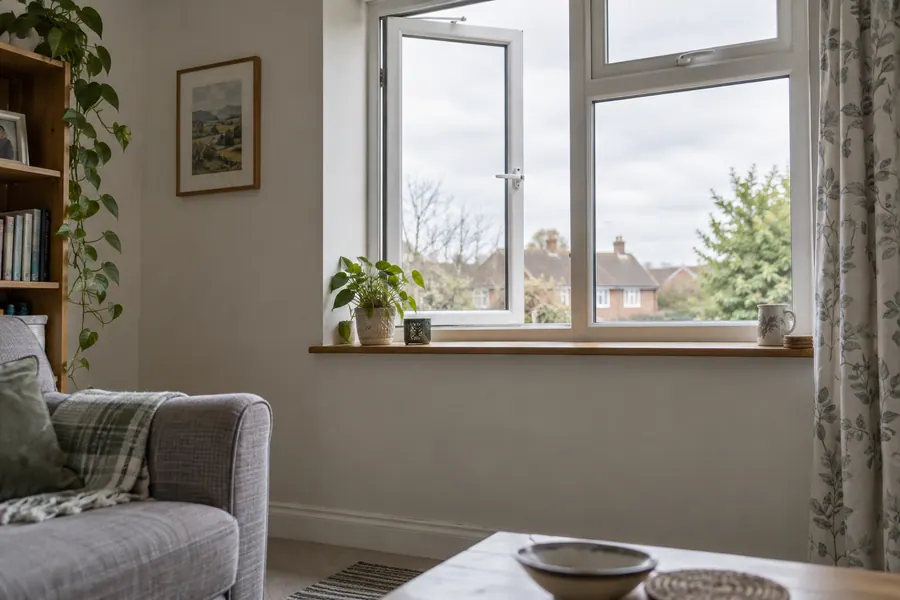
Show frame, sill and neighbouring wall, and describe when droplets or marks appear. A patch beside a window does not establish the source or fault. Keep an occupier’s normal observations with repair history rather than relying only on appearance during one visit.
Locate affected finishes beside units, appliances or water fittings and mention known incidents. Explain hidden areas without dismantling cabinetry. A cupboard smell, damaged board and ordinary grease are different concerns, not one automatic household cleaning task.
We inspect accessible material and condition before discussing suitable cleaning and treatment. Damaged or unseen layers may need another response. Confirm the named surfaces so a room description is not read as inclusion of every belonging.
We consider the reported history and accessible evidence, and explain relevant findings and limits. Further source checks may need another scope or permission. A possible explanation should not be turned into certainty about unexamined construction.
Plumbing, structural repair, installation, replacement and decoration are not automatically within a treatment quotation. Agree who arranges recommended work and how it is priced. Inspection findings do not decide contractual or legal responsibility.
Condensation, leaks or external water entry may need investigation, sometimes together. Removing visible growth does not necessarily address moisture or prevent recurrence. Returning, extensive or suspected hidden mould warrants appropriate professional assessment. In a rented home, report the problem to the landlord or managing agent and retain the communication alongside appointment and repair details.
Raise practical occupant requirements when agreeing preparation. Do not mix products or improvise treatment while awaiting instructions. HSE cleaning-substance precautions explain chemical care; tell us what has already been applied rather than adding another home attempt.
For symptoms or health concerns, speak to a healthcare professional. Government guidance on damp and mould explains risks and the need to address moisture. A service enquiry cannot provide a medical diagnosis or an individual health guarantee.
Retain instructions and identify any investigation or repairs still outstanding. If wetting or growth returns, record the location and timing and report it with the work completed since. A cleaner surface does not prove every source is resolved. Ordinary domestic cleaning visits do not provide ongoing mould remediation or guarantee prevention.
Area, materials, condition, access, investigation and suitable treatment affect the proposal. Ask which assessment and surfaces are included and what needs a separate amount. Ordinary room-cleaning rates are not a mould tariff. For other household tasks, one-off cleaning has a separate quotation rather than automatically widening mould work.
Yes, describe current timing and surfaces alongside earlier photographs. The person arranging the appointment may not see the ordinary pattern.
Do not infer a legal or contractual decision. Agree practical access and approval while the relevant parties address responsibility separately.
Discuss the required format and scope before booking. Do not assume a particular report is automatically part of every visit.
No. Report affected material directly; ordinary tenancy cleaning has a different scope and does not replace assessment.
Identify the authorised person in advance so any revised tasks and price can be explained before acceptance.
Keep the original location, dates, work and communication identifiable. Report new wetting or growth rather than only an unchanged cosmetic mark.
Call with your Ilford postcode and photographs. Discuss inspection, moisture questions and who can agree the suitable work.
Generated photographs illustrate affected surfaces and room conditions. They are not customer cases or evidence of treatment results.