Star Domestic Cleaners
Menu
SURFACE MOULD & MOISTURE · POPLAR

Mould Removal Poplar

A patch behind furniture needs its access explained before anyone moves or opens anything. Tell us what is visible in Poplar and what remains concealed. We discuss accessible inspection, moisture investigation and suitable treatment with clear limits.

  • Restricted access explained
  • Visible materials assessed
  • Further investigation distinguished
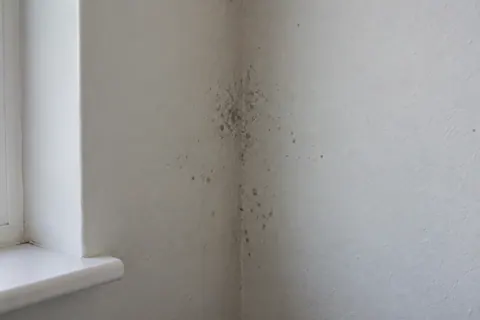
Visible affected wall corner beside a freestanding cabinet
Dark surface speckles along a painted wall corner

Describe the visible part and the obstruction.

Say whether mould is beside a freestanding cabinet, within an accessible cupboard or behind fitted units. Show a room view and safely obtainable detail rather than forcing a heavy object aside. Explain how much can be seen and whether a smell, water mark or earlier leak adds to the concern. An unseen area should remain an uncertainty, not a guessed extent.

Mould work needs a specific enquiry. General cleaning elsewhere in the room does not replace assessment of affected material and moisture behind the concern.

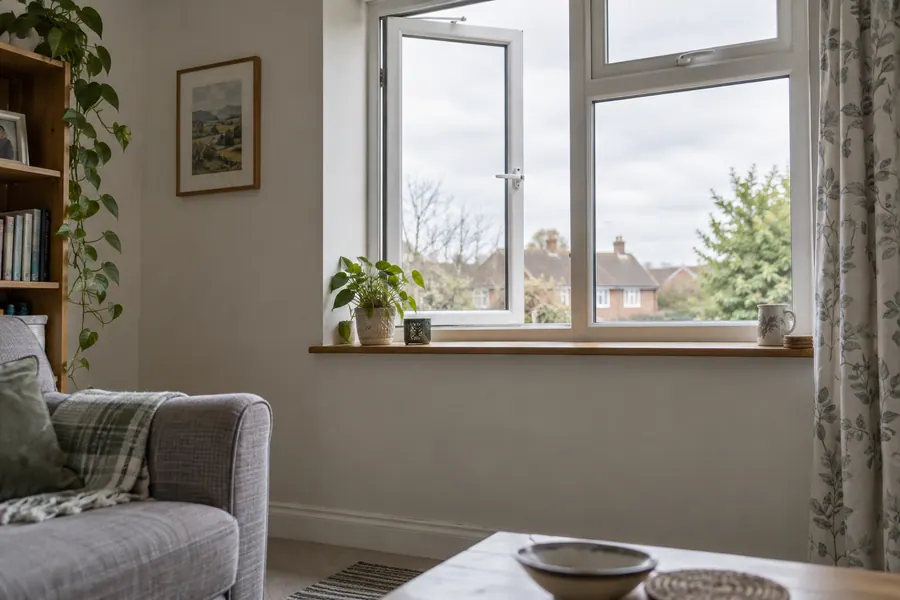
Partly open window in an ordinary sitting room

Do not open construction to improve the photograph.

Keep dates, pictures, known repairs and product details available. Describe access limits without dismantling cupboards, removing finishes or disturbing affected material. Ask which belongings need clearing and how furniture access will be handled. Discuss entry and arrangements for people and pets before the agreed work. A partly hidden problem may need further assessment rather than preparation based on assumptions.

Make access boundaries part of the plan.

Accessible surfaces

We discuss suitable treatment after inspecting included visible materials and their condition. Damage or involvement beyond the face can change what is appropriate. Cleaning is not replacement of softened board, a failed cabinet or a damaged finish.

Moisture and concealed concerns

Inspection and moisture investigation consider reported wetness, recurrence and accessible areas. Ask what can be checked now and which further investigation needs agreement. A limited view does not promise a complete diagnosis behind every unit.

Opening and repair

Any authorised opening, replacement, plumbing, structural work or decoration needs separate scope. Confirm who would carry it out and what the quote covers rather than assuming a surface-treatment appointment includes building work.

Give the material and room context.

Small affected wall area beside a kitchen window

Kitchens

Identify accessible cabinet surroundings, painted walls and joints. Mention a known plumbing issue without moving appliances or opening fittings. Ordinary grease is a different task from assessing mould and moisture. Damaged cupboard material may require another response.

Bathrooms

Explain growth on tile, grout, sealant or a painted area. Include known extraction concerns and recurring patches. A failed seal and visible growth on sound tile should not be treated as automatically the same work.

Windows

Show accessible frame, reveal and adjoining wall. Describe condensation noticed there, but do not infer a sole cause from the location. Access and material condition belong in the enquiry alongside wetting history.

Plan assessment before agreeing treatment.

Set out the information

We arrange inspection of accessible concerns and relevant moisture investigation. Explain the concealed portion, any recurrence and the scale of visible areas so the assessment fits the property.

Discuss findings and limits

Ask which materials can be treated and which questions remain open. Moisture observations and next steps should be explained, including where access prevents a conclusion.

Agree included work

Confirm surfaces, suitable treatment and further tasks. Discuss preparation and occupant arrangements. If the proposed scope changes after inspection, ask for the revised work and amount before agreeing.

Hidden position does not identify the source.

Moisture can involve condensation, a leak or water entering the building; more than one issue may contribute. We investigate accessible concerns and explain supported findings rather than diagnosing from position alone. Removing visible growth does not necessarily address the cause. Extensive, recurring or suspected hidden mould needs appropriate professional assessment, especially where the accessible view does not describe the complete problem.

Condensation on a window with dark marks near the inner frame

Raise occupant concerns without attempting treatment.

Damp and mould can affect health; healthcare professionals should advise on symptoms, not a cleaning photograph. UK government guidance explains health risks and underlying causes. Do not mix chemicals or improvise a remedy. Tell us what was applied and discuss preparation; HSE cleaning-substance advice gives chemical precautions.

Keep inaccessible questions on the follow-up list.

Follow instructions for agreed treatment and ask what investigation or repair remains. Record returning dampness or growth and report it. An improved visible surface does not clear every concealed layer or guarantee no recurrence. Routine home cleaning addresses other household tasks, not ongoing mould remediation. For rented property, report the problem to the landlord or managing agent too.

Quote accessible work and further tasks clearly.

Affected extent, materials, access, investigation and suitable treatment define the request. Confirm the included assessment and surface work, with separate charges or further tasks explained. A domestic room rate is not a mould tariff. Opening construction, repair and replacement need their own confirmed scope and price.

Discuss the Poplar property and entry arrangements.

We serve Poplar. Give the postcode, preferred date and access information, including who can approve work where needed. Appointment availability and the arrangements for the particular problem require confirmation. Explain any handover timing when arranging the separate end-of-tenancy clean.

Before arranging the work

Must I move the cabinet before enquiring?

Show what can be reached safely and describe the obstruction. Discuss access first rather than dragging heavy furniture or exposing affected material.

Does a smell establish hidden mould?

Explain the observation without treating it as a diagnosis. Appropriate assessment can consider the concern and accessible conditions.

Can the inspection cover behind fitted cupboards?

Clarify access and the investigation agreed. Concealed sections may need further authorised work rather than a conclusion from a limited view.

Is replacing damaged cupboard material included?

Replacement is a separate task to confirm. Surface treatment should not be read as rebuilding cabinetry or finishes.

Should I open a wall to find the source?

Do not open construction yourself for the enquiry. Describe the concern and discuss appropriate assessment and access.

Can a clean-looking section prove everything behind is resolved?

No. Ask about remaining moisture and concealed-area questions, and record any returning growth or dampness.

Describe access before changing the room.

Call with the Poplar postcode, visible photographs and what remains hidden. Discuss assessment, suitable treatment and the agreed scope.

Generated photographs illustrate affected surfaces and room conditions. They are not customer cases or evidence of treatment results.