
Wool
Give wool and blend information, care restrictions and any earlier changes in texture. Dyes and backing affect suitability alongside the pile. Knowing that a pet caused a mark does not establish one suitable process for every wool rug.
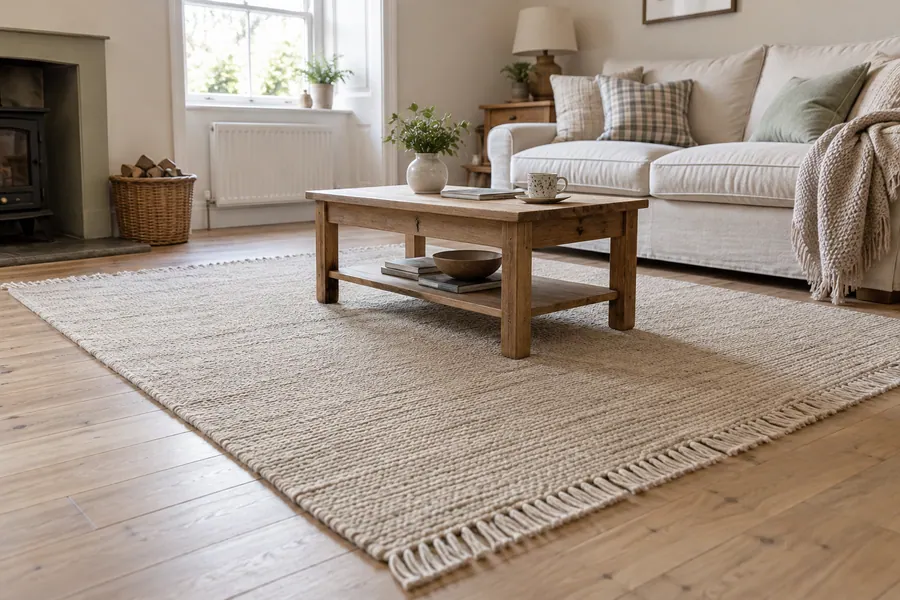
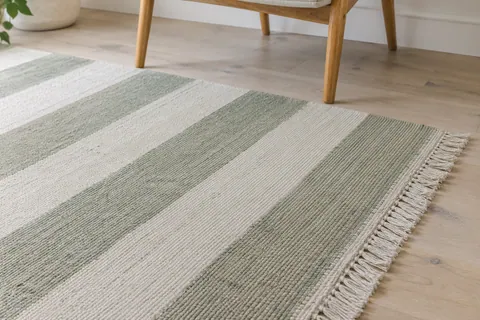
Describe the incident and any repeated patch, not just the visible stain. A rug’s face, reverse and pad may need separate questions. Ask about suitable cleaning for your Brixton address.
Say whether there was one accident or a repeated spot, and roughly when it happened. Describe visible marks and smells separately. If the underside or pad appears affected, mention that without pulling a heavy rug out from under furniture. Photographs show the position and extent, but cannot establish everything underneath. Give the size and known material alongside the incident history so the item is clearly described.
Fixed carpet needs its own floor cleaning enquiry. A loose rug placed over it is not automatically included, and the surrounding floor should not be counted as part of the textile.
List sprays, rubbing or earlier professional treatment if known. Do not add another chemical to mask a smell before discussing the item. Distinguish pet soiling from drink or food spills elsewhere on the rug. Some staining and odour may remain after appropriate work, especially when more than the visible pile is affected. No quotation should be interpreted as a guarantee that every hidden layer or smell will be corrected.

A safely accessible corner can show backing and care information. Mention a sticky, crumbly or separating layer and any mark on a separate underlay. Do not peel layers apart or scrape a coating. Explain what floor lies beneath and any concern about that surface. Work on the rug does not automatically include cleaning the pad, treating fixed flooring or repairing a damaged reverse.
Give wool and blend information, care restrictions and any earlier changes in texture. Dyes and backing affect suitability alongside the pile. Knowing that a pet caused a mark does not establish one suitable process for every wool rug.
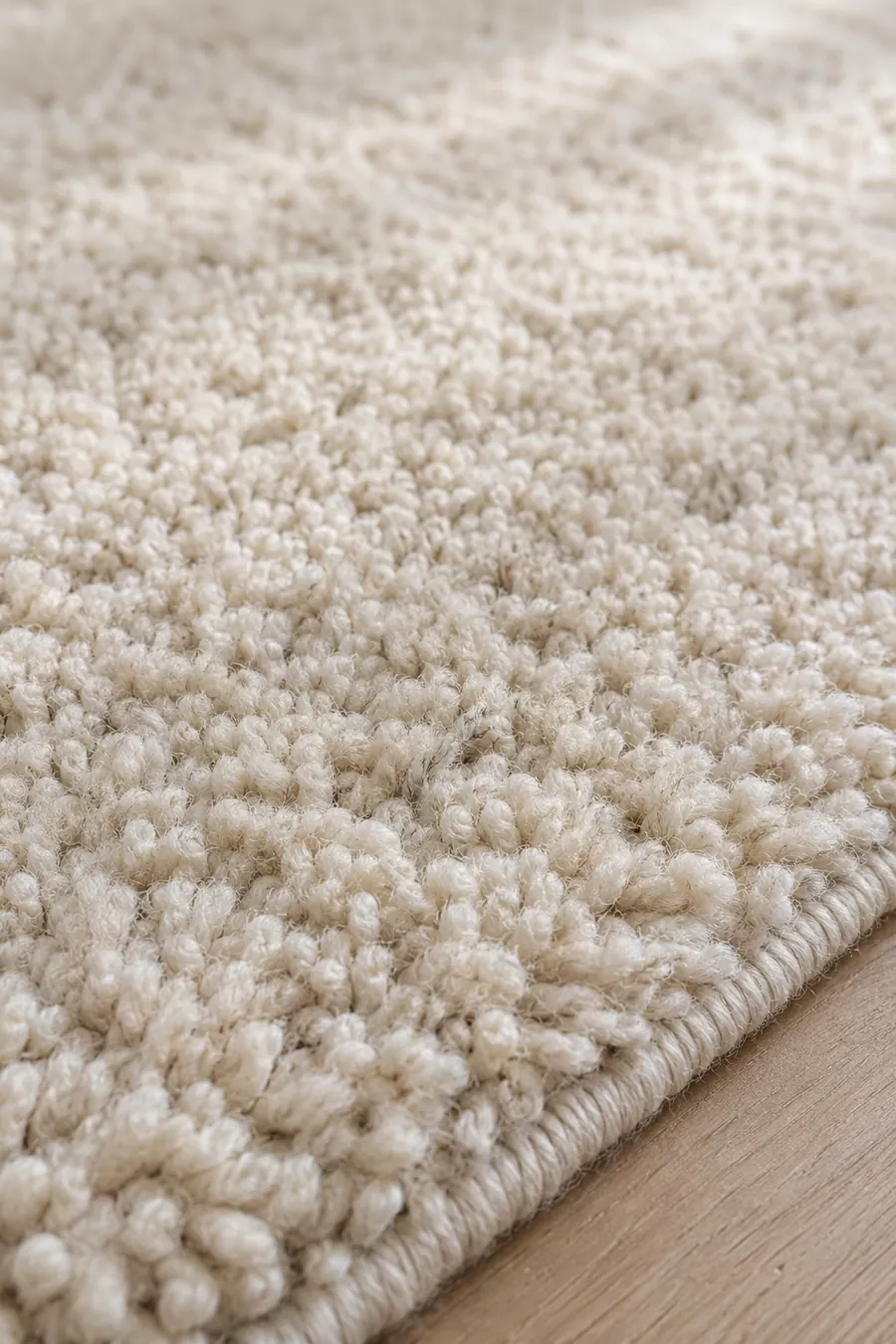
A named synthetic fibre does not describe all layers or finishes. Include grip coatings, backing and earlier products where known. Do not treat daily durability as proof that every chemical or method is suitable for the item.
Flat cotton and mixed-fibre pieces need their own care instructions considered. Thin fabric is not automatic permission for machine washing. Silk, antique or valuable rugs need suitability discussed before booking, without assuming repair, conservation or restoration services.
Give the timing of fading, transferred dye or pale patches. Show a wide view and a detail so the change can be placed in the pattern. Ask how colour sensitivity affects appropriate work, including contrasting trims. Do not conduct a wet test at home. Cleaning cannot promise to reproduce original shades, reverse bleaching or replace colour lost through an earlier treatment.
A border or fringe can differ from the pile in material and condition. Show affected ends as well as loose strands, missing binding or open seams. Ask what suitable edge work is covered by the quote. Do not cut or tug damaged threads to prepare. Dirt, staining and damaged construction are different concerns, and cleaning should not be presented as replacing fabric or repairing seams.
Extraction and dry or delicate categories appear in the company’s carpet and upholstery information, but they do not decide suitable treatment for every loose rug. Ask which process is proposed for this material, backing and incident history, and which parts can be addressed. Confirm where treatment will happen and how collection or delivery can be arranged for the actual item. For affected seating, use a separate sofa fabric request.

Remove loose belongings, keep labels and previous product details ready, and describe furniture on the rug. Discuss handling before rolling the textile or lifting heavy furniture. An overall photograph and approximate measurements can start the enquiry if some parts are inaccessible. General room tasks belong in a separately agreed home clean, rather than being assumed in this rug’s scope.
Rug rates vary with type and condition. Send size, fabric, backing and incident information so the requested work can be described. Confirm the total, included areas and handling, with any applicable additional charges clear. Optional treatments require their own explanation. A numerical room-based carpet rate or sofa figure is not a rug tariff, and the quoted amount does not establish a complete odour-removal guarantee.
Include a preferred date and relevant access or entry arrangements. Availability, suitability and handling need confirming for the actual address and item. Nearby pages help when enquiring for another property; they do not show that the same appointment or method is available everywhere. Explain if the rug is currently stored somewhere different from your normal home address.
Explain anything noticed on the underside or pad. The visible face is not necessarily the full extent of the incident or quoted work.
Describe the repetition and earlier treatments. It helps set out the condition and realistic scope rather than treating every mark as one recent spill.
No. Some odours can remain, particularly where other surfaces or layers are affected. Discuss limits for the actual item before booking.
Do not experiment with another product. Share what has already been applied and keep the current condition clear for the enquiry.
Identify it separately and ask what appropriate work is covered. Do not assume that quoting the rug also includes all material beneath it.
No. The backing, dyes, finish, condition and incident history need considering alongside the pile composition.
Call with the rug’s details and Brixton postcode. Discuss suitable work, its limits and the full quote before booking.
Generated photographs illustrate rug materials and handling. They are not photographs of actual staff or customer projects.