Star Domestic Cleaners
Menu
LOOSE RUGS · BROMLEY

Rug Cleaning Bromley

Wool describes a fibre, not every part of the rug. Include the blend, reverse and care notes when asking about cleaning. Discuss suitable work and a quotation for your Bromley item.

  • Wool and blend details kept
  • Backing described separately
  • Care restrictions discussed

Begin with the label, not the feel.

Softness and a familiar pattern do not prove that the rug is wool or establish what work suits it. Use composition information where available, and say when something is a guess. Give the measurements, an overall photograph and the number of pieces. If the label has gone, purchase records or earlier care notes may still be useful. Do not move heavy furniture merely to locate a hidden label.

A loose wool piece is separate from the fitted carpet in the room. It can have different edges, dyes and backing, even if the floor covering also contains wool.

Share what each part is made from.

Wool and blends

Copy the full composition if more than one fibre is named. Include care restrictions and changes after earlier treatment, such as altered size or rough texture. A wool percentage does not settle suitability without the rest of the construction.

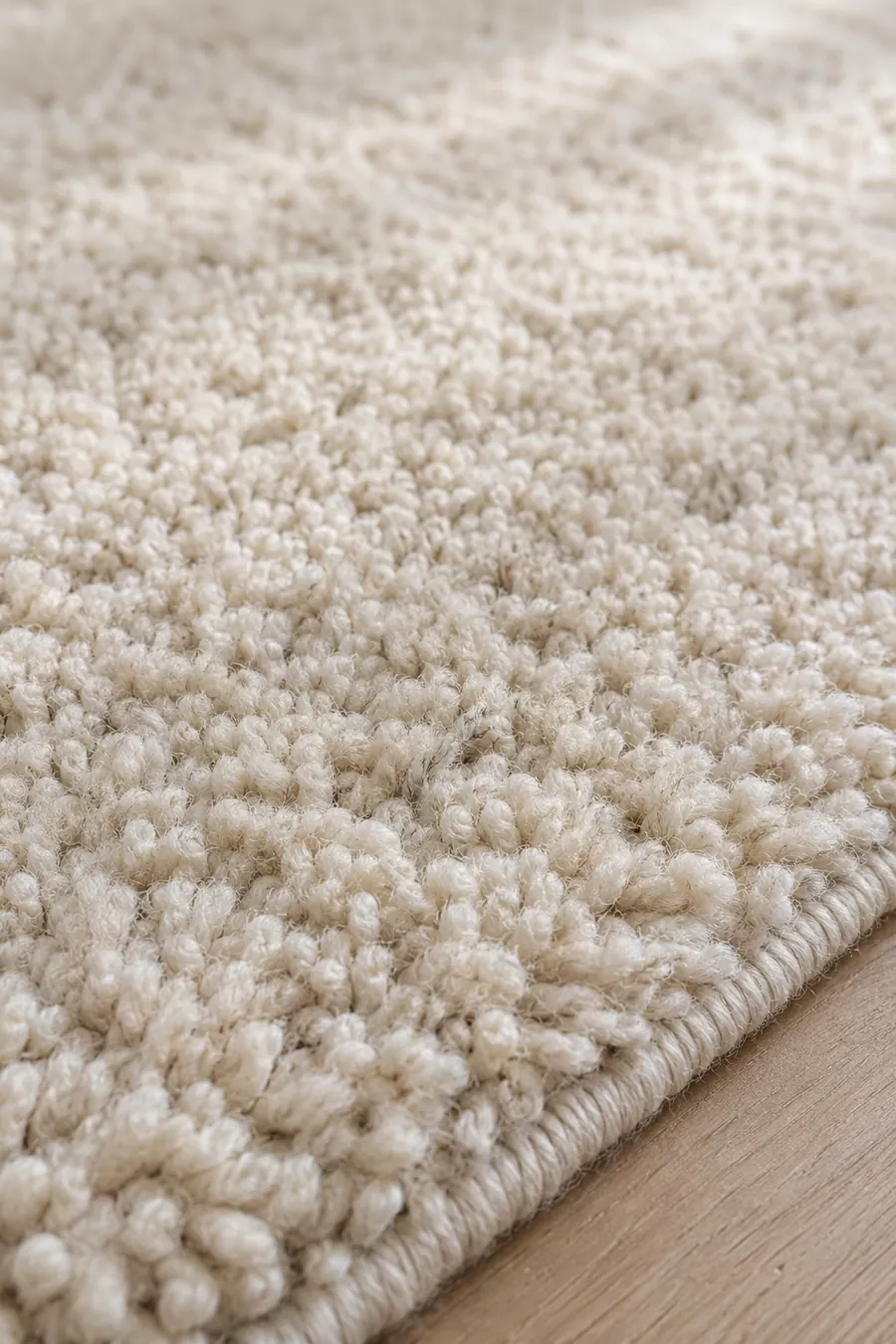
Close detail of short wool rug tufts

Synthetic rugs

For a different item in the same enquiry, give its own label. Synthetic pile may have a backing or finish with separate needs. Do not assume matching colours mean matching materials, or that a synthetic surface accepts every process.

Cotton and delicate textiles

Cotton weaving and fine mixed fibres need their care notes considered. A light rug is not automatically washable in a domestic machine. Ask about suitability for silk, valuable or antique items before booking; restoration and repair are not implied.

Ask about the proposed work for this rug.

Carpet and upholstery categories include extraction and dry or delicate cleaning. That information does not confirm either process for every wool construction. Ask which approach is proposed, why it suits the known fabric and reverse, and which concerns it can address. Confirm the location of work and handling, including collection or delivery arrangements for your actual item and address, rather than assuming an at-home visit.

Flatwoven cotton rug with a stitched edge and short fringe

Include dyes and previous colour changes.

Explain fading, transferred colour or patches after earlier home products. Photograph the whole design and the affected threads. A contrasting border or fringe may differ from the centre. Ask how colour sensitivity will influence suitable work without conducting your own wet test. Cleaning cannot be promised to replace missing dye, reverse bleaching or bring every part back to an original shade.

A person lifting a rug corner to look at its backing

A wool face can sit over another material.

Show an accessible underside and label if a light corner can safely be lifted. Mention layers that are cracked, sticky or separating without scraping them. If the item is awkward to move, describe the access limitation. Identify any separate pad and supporting floor. Fabric treatment does not automatically include those other surfaces or repair construction damage on the reverse.

Show the condition around the pile.

Include bound sides, fringe and corners in photographs. Explain loose strands, open stitching or earlier repairs, and say if trim appears to use another material. Ask what suitable edge work is included. Do not cut or tug threads to prepare the rug. Worn fabric and missing parts are not removable soil, so cleaning should not be treated as a repair promise.

Give the mark’s history alongside the fibre.

State the likely cause, approximate age and earlier products or scrubbing. For pet incidents, mention repetition and effects on the underside or pad. The material name alone does not predict a result. Some stains or odours remain after appropriate work. Marks on seating need their own upholstery enquiry, with separate care information rather than the rug’s label.

Have information ready before moving the item.

Clear small belongings and explain furniture touching the rug. Keep labels, measurements and treatment history available. Discuss handling before rolling a heavy piece or lifting a table. Tasks elsewhere in the room can be agreed through regular home cleaning; shelves and floor surfaces are not automatically included in a quotation for the loose textile.

Follow advice for the construction and process.

Ask when the pile, fringe and backing can return to use. Material, thickness and conditions affect drying, so a universal interval is not appropriate. Follow instructions about ventilation, position and replacing furniture. Do not tightly roll, cover or put a damp rug on a sensitive floor. Explain deadlines before agreeing arrangements rather than assuming every wool item will be ready overnight.

The wool label is not a rate card.

Rug rates vary by type and condition. Provide size, full composition, backing and requested work, including edge or stain concerns. Confirm the complete quotation, handling and any applicable extras before booking. Optional treatments should be explained separately. Carpet room rates and sofa tariffs describe other items, and should not be used as the amount for this loose rug.

Provide the Bromley postcode when calling.

Send the preferred date and relevant access details with the item description. Availability, suitability and handling need confirming for the actual property. Explain if another person will provide entry or the item is kept elsewhere. Neighbouring area pages offer another enquiry route but do not promise the same appointment or process for every nearby address.

Wool and construction questions

Does softness prove a rug is wool?

No. Use a label or reliable purchase information where possible, and identify uncertain details rather than inferring composition by touch.

Can all wool rugs be treated alike?

Different dyes, backing, blends and construction can change suitability. Ask about the proposed approach for the actual item.

Should I include the blend percentages?

Yes, if available. The complete composition is more useful than simplifying a mixed fabric to its largest fibre share.

Will cleaning reverse shrinkage from an earlier wash?

That is not a guaranteed cleaning outcome. Describe size or texture changes before discussing suitable work and realistic limits.

Is wool fringe necessarily the same as the pile?

Do not assume it. Show the trim and provide any known material information, then check which work is appropriate and included.

Can the quote use a carpet room price?

A room tariff is not a loose rug rate. Give the item’s size, construction and condition and request its own quotation.

Bring the care label into the discussion.

Call with the Bromley postcode and known fibre details. Discuss suitable cleaning, handling and the price for your actual rug.

Generated photographs illustrate rug materials and handling. They are not photographs of actual staff or customer projects.