
Wool
Share wool content, blends and known restrictions. Dyes and backing belong in the suitability discussion alongside the pile. Mention changed size or texture after earlier work rather than assuming every wool rug can take the same process.


A long-standing mark needs its history explained. Tell us what caused it and what has already been tried, alongside the rug’s fabric and reverse. Discuss suitable work in Clapham.
Give the likely cause and approximate age rather than only calling it a stubborn stain. Explain rubbing, soaking and home products, including any change in colour afterwards. Wear, fading and damaged fibres may resemble dirt in a photograph. Include an overall view, detail photographs, dimensions and care information so the enquiry describes the rug as a whole, not just its darkest area.
For the fixed floor, use our fitted carpet cleaning guidance. A loose piece needs its own scope and construction details even when both surfaces have old marks.
Different food, drink and oily marks have different histories. Say if a patch reappeared after treatment or if products were added repeatedly. For pet-related soiling, mention recurrence and any affected pad or reverse. Suitable work can still leave staining or odour. The quotation describes requested cleaning, not a guarantee to reverse every earlier incident or hidden-layer problem. Avoid another chemical experiment before the item is discussed.
Photograph faded threads, transferred dye and pale patches left after a spray. Explain the timing and include the wider pattern. Ask how colour sensitivity affects the proposed work, particularly around contrasting trim. Do not wet-test the rug yourself. Cleaning cannot be promised to replace lost dye, undo bleaching or make every part match an unaffected area, even if the initial spill happened many years ago.
Share wool content, blends and known restrictions. Dyes and backing belong in the suitability discussion alongside the pile. Mention changed size or texture after earlier work rather than assuming every wool rug can take the same process.
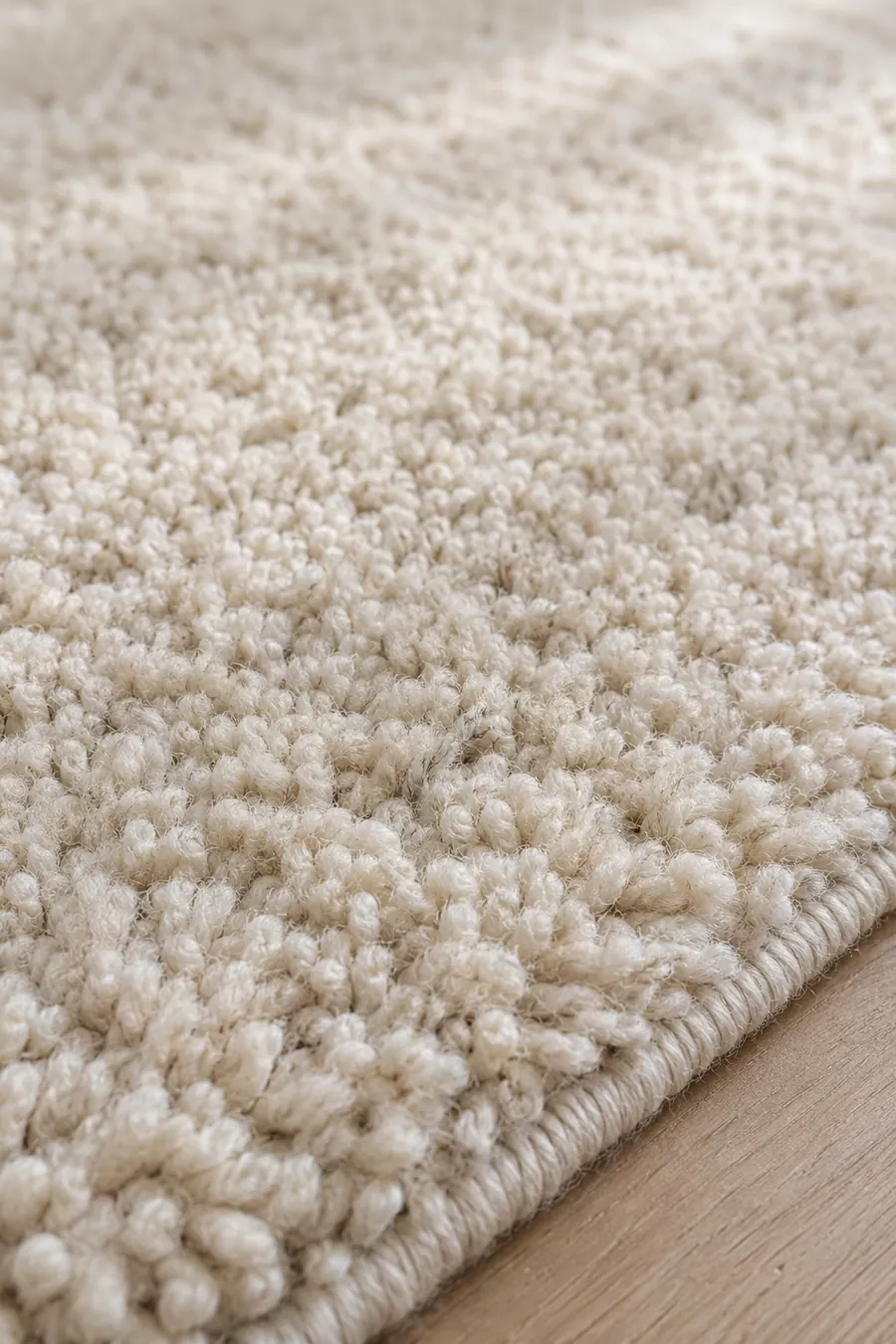
Provide the composition if known and identify uncertainty. Synthetic pile can have coatings, trims or reverse layers with separate care needs. Include prior products and finishes; an old rug’s daily durability does not establish its treatment compatibility.
Flat cotton and mixed or fine fibres need their own instructions considered. Thin fabric is not automatic permission for machine washing. Explain silk, antique or value concerns before booking, without assuming ordinary cleaning includes restoration or repairs.

An accessible light corner can reveal the label and reverse. Mention brittleness, tackiness or layers beginning to separate, without scraping or peeling them. Leave heavy or awkward items in place and explain limited access. Identify any separate pad and supporting floor. Cleaning the loose fabric does not repair ageing backing or automatically cover marks on another surface beneath it.
Old bindings, missing fringe and open stitching need describing before handling. Include old repairs and any different material in the trim. Ask which edge work is appropriate and included, rather than expecting dirt removal to replace lost construction. Do not cut loose strands or tug knots to make the piece tidy. The existing perimeter condition helps clarify realistic work and movement.
Extraction and dry or delicate categories are described in carpet and upholstery information, but that does not confirm a process for this rug. Discuss the proposed approach for the fibres, backing and history, including its limitations. Confirm where work will happen and collection or delivery arrangements for the actual item. Marks on seating need separate information through a sofa care enquiry.

Have labels, measurements, photographs and known earlier product details ready. Clear small belongings and describe furniture resting on the rug. Ask about handling before rolling a heavy item or moving a table. Other room tasks belong in a separately agreed one-off clean; shelves and floor surfaces should not be assumed part of a quotation for this loose textile.
Rug rates vary by type and condition. Send dimensions, fabric, reverse and requested marks or edge work. Confirm the total, handling and any applicable extra charges before booking. Ask about optional treatments separately. Ask how the condition affects the amount and which improvements can realistically be attempted; the price is not a promise that every stain will disappear. Carpet-room rates and seating tariffs are different prices and cannot establish this rug’s quotation.
Provide the postcode, preferred date and relevant entry or access information. Suitable work and availability need confirming for that property. If the item is kept elsewhere, state that location instead of relying on your home district. Neighbouring area pages help with other enquiries but do not establish matching slots, a local team or identical arrangements everywhere.
No. Explain the cause, age and earlier attempts, then discuss suitable work and its limits for the actual material.
Say the cause is uncertain. Approximate age, photographs and earlier product details are still useful. Say clearly which information is unknown.
A photograph may not settle that. Describe what you have noticed and ask about realistic scope rather than assuming every difference is removable soil.
Include it in the history. The product and application area help describe the condition even if it made no improvement.
The amount should define included work and arrangements. It should not be interpreted as a guarantee of complete stain, odour or colour correction.
Worn or missing threads are construction damage. Show them separately and do not assume cleaning is a repair service.
Call with its history, rug details and Clapham postcode. Discuss realistic cleaning and the scope of the item quote.
Generated photographs illustrate rug materials and handling. They are not photographs of actual staff or customer projects.