
Wool pieces
Share wool and blend details, care restrictions and known earlier changes in texture or size. Dyes and backing matter alongside the pile. Do not use a wool label as proof that every construction accepts the same process.

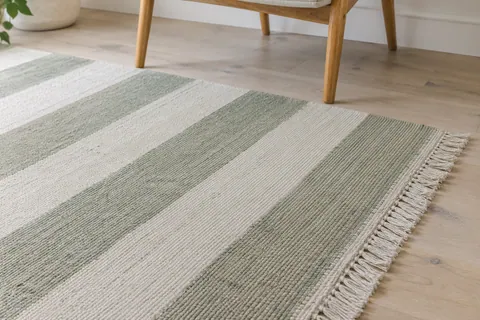
We serve Dulwich for rug cleaning. Send information about the loose item, its care guidance and condition, then discuss suitable work and the arrangements for your actual address.
An area rug, runner and circular item need their own measurements and construction information. Give length and width or diameter, explaining whether fringe is included. Photograph the whole piece and any available label. Identify each rug separately if several are involved, especially when they look alike. Say what is uncertain rather than guessing fibres or condition hidden beneath furniture. These details make the actual request clearer than the room’s bedroom count.
For a fixed covering, see our carpet cleaning service. A loose textile has separate backing and edges and is not automatically part of the fitted floor quotation.
Share wool and blend details, care restrictions and known earlier changes in texture or size. Dyes and backing matter alongside the pile. Do not use a wool label as proof that every construction accepts the same process.
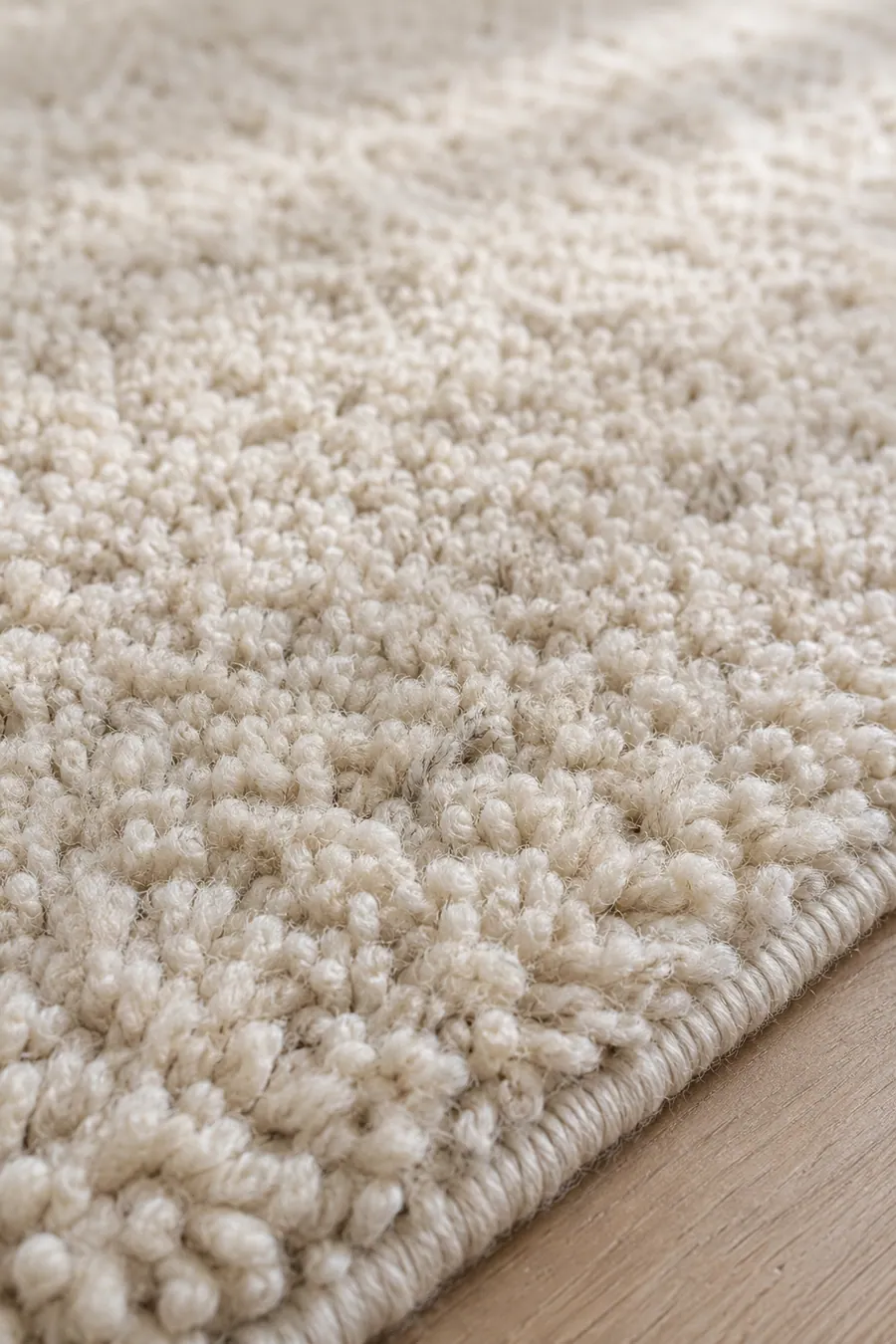
Give a reliable composition and describe finishes or grippy coatings. A synthetic surface can sit over a reverse with different care needs. Previous home products remain useful information even if the pile looks durable.
Flat cotton, mixed fibres and fine weaves need their own guidance considered. Small size is not automatic machine washability. Ask about silk, antique or valuable items before booking, without assuming ordinary cleaning includes restoration, repairs or conservation.
Clear toys, shoes and other loose belongings. Keep labels, measurements and treatment history ready and describe furniture standing on the rug. Discuss handling before rolling an awkward piece or lifting a large table. A wider room clean has different tasks; use a separate one-off cleaning request to describe shelves, skirting or surrounding floors instead of assuming they are rug extras.

A light corner may show the reverse and label. Mention cracked, sticky or separating layers without scraping or peeling material. Leave difficult items where they are and explain limited access. Describe a separate underlay and the supporting floor as distinct surfaces. Treatment of the loose rug is not a promise to repair backing or clean every layer and surface underneath it.
Fringe and bindings can differ from the central pile in material and colour. Show loose strands, worn corners, open seams or old repairs. Ask which suitable edge work is included in the quoted scope. Do not trim or tug damaged threads to tidy the item. Missing fabric and weakened construction are separate concerns from soil that cleaning can sensibly address.
Point out fading, transferred dye or a pale patch after a previous cleaning attempt. Give the timing and known products, with an overall view to place the change in the pattern. Ask how colour sensitivity affects suitable work, rather than conducting a wet test yourself. Cleaning cannot guarantee to replace lost dye, reverse bleaching or reproduce the shades the rug had before damage.
State the likely causes, approximate ages and any rubbing, soaking or sprays used. For pet incidents, mention recurrence and whether the reverse or pad appears affected. Suitable treatment may still leave staining or odour, especially when other layers are involved. A sofa with marks needs its own seating fabric enquiry; its care information should not be inferred from the rug nearby.
Extraction and dry or delicate categories are described in carpet and upholstery information, but are not universal instructions for loose rugs. Ask what process is proposed for your item, which parts it covers and what limits apply. Discuss where work will happen and handling, including collection or delivery arrangements for the actual address. A workshop location, transport inclusion or at-home visit should not be assumed before confirmation.

Rug rates vary by type and condition. Send dimensions, fabric, backing and requested work, including particular marks and perimeter concerns. Check the total, included scope and handling with any applicable extra charges clear. Optional treatments should be explained separately. Carpet-room figures and sofa tariffs relate to different items and cannot establish a numerical price for your loose rug.
Give the postcode, preferred date and relevant entry or access details. District coverage does not establish a slot, method or handling arrangement for every item. Explain if another person will provide entry or the rug is stored elsewhere. Nearby pages help with enquiries for surrounding addresses, without promising matching appointment times or a local office.
Availability still needs checking for the actual postcode and item. Give your preferred date and relevant access details when enquiring.
Give length and width or diameter, noting fringe and any uncertainty. Size helps describe the item alongside fabric and condition.
Add reliable composition, care guidance and construction details if available. A design or making description does not establish a safe process.
Name it explicitly and ask what suitable work is covered. A rug quote should not be assumed to include every layer underneath.
No complete result should be guaranteed. Explain the incident, repetition and earlier products, including concerns beneath the face.
Confirm the proposed location and handling arrangements for the booking. Do not assume an at-home visit or collection is included automatically.
Call with the Dulwich postcode, dimensions and care information. Discuss suitable work, availability and the full item quote.
Generated photographs illustrate rug materials and handling. They are not photographs of actual staff or customer projects.