
Wool
Give wool and blend details with restrictions. Dyes, backing and earlier size or texture changes matter alongside the pile. The fibre name alone does not confirm a process, even if the rug has tolerated ordinary use around a table.
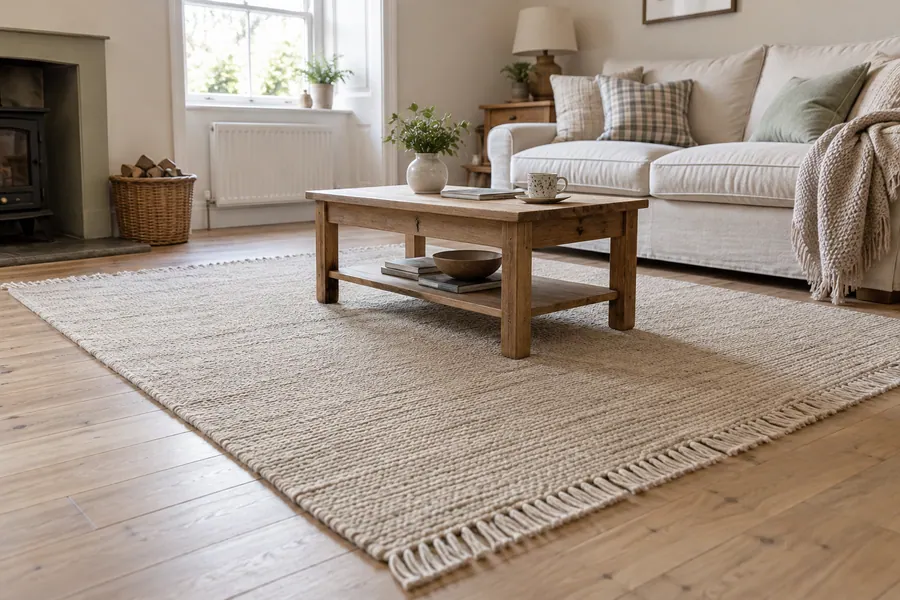
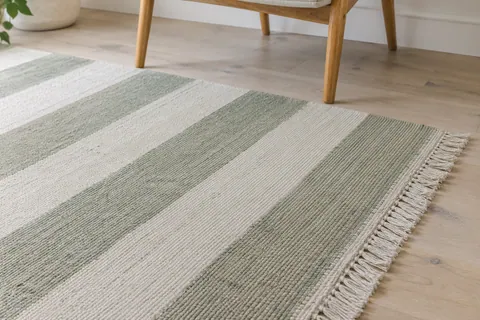
Food marks on a rug need a material discussion as well as a stain description. Explain spills and earlier products, including any concerns underneath. Enquire about suitable work in Earlsfield.
Give the whole length and width, including the section beneath furniture, and explain whether fringe is counted. An overall photograph shows shape and access; details show individual marks. Do not shift a heavy table just to reveal the label. Say what material is known and what remains uncertain. A dining location tells us how the rug is used, not which process it can safely receive.
The fitted floor should have its own description through our carpet cleaning service. A loose piece and its backing are not automatically included in a room quotation.
Explain likely causes, approximate dates and what was done afterwards. A greasy patch and a wine mark should not be given one vague treatment history. List home products, rubbing or soaking, and mention repeated pet soiling with any concern on the reverse or pad. Suitable work may leave stains or smell. Do not try another chemical before discussing the item or interpret a quote as a complete-removal guarantee.
Give wool and blend details with restrictions. Dyes, backing and earlier size or texture changes matter alongside the pile. The fibre name alone does not confirm a process, even if the rug has tolerated ordinary use around a table.

Provide the composition if known and describe coatings or finishes. Synthetic fibres can sit above backing with different requirements. Mention previous products and identify guesses; a hard-wearing appearance is not universal compatibility with cleaning approaches.
Keep guidance for cotton, mixed fibres and fine pieces available. Thin fabric does not establish domestic machine washability. Ask about valuable, silk or antique items before booking, without assuming ordinary cleaning offers restoration, repair or conservation.
Include pale patches, dye transfer or faded borders and explain when they appeared. A wider view places the change within the pattern. Ask how colour sensitivity affects suitable work, including differing trim. Do not conduct a home wet test. Cleaning cannot be promised to replace lost dye, reverse bleaching or make every affected thread match its original shade.

An accessible light corner may show the reverse and label. Mention cracking, tackiness or a loose layer without scraping or peeling material. Leave awkward rugs in place and describe the access limitation. Identify a separate pad and the supporting floor. Textile cleaning does not repair failing backing or automatically include marks on other surfaces reached by a spill.
Photograph binding, fringe and any worn corner, including old repairs. Say if trim has another colour or material from the main fabric. Ask which edge work is suitable and included. Do not trim strands or pull knots to make the item tidy. Missing threads and open seams are construction concerns, not something stronger cleaning is guaranteed to correct.
Carpet and upholstery categories include extraction and dry or delicate options, but that does not establish a suitable process for every rug. Discuss the proposed approach, included parts and realistic limits. Confirm where work takes place and handling, including collection or delivery for the item and address. Fabric chairs need a separate upholstery cleaning request, not a method inferred from the rug nearby.
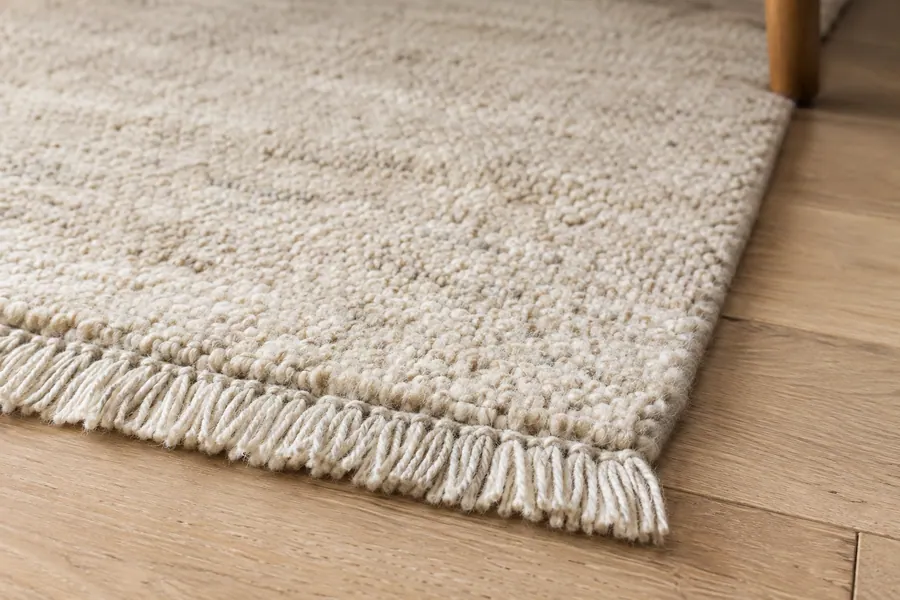
Remove loose belongings and have labels, measurements and earlier product details ready. Explain the table, chairs and any concealed part. Ask about movement before shifting heavy furniture or rolling a large piece. General room tasks should be specified through regular household cleaning; shelves, skirting and surrounding floors are not automatically included in a loose rug’s quotation.
Rug rates vary according to type and condition. Send the item’s dimensions, fabric, reverse and requested work, including individual marks and edge concerns. Check the complete amount, included scope, handling and any applicable extras. Optional treatments should be explained separately. Carpet room rates or sofa tariffs are different prices, and cannot establish a numerical amount for this loose textile.
Provide the preferred date and relevant access or entry details for the actual property. Suitability, availability and handling need confirming for the item. Explain another location if that is where the rug is kept. Nearby pages offer information for other enquiries, rather than proof of the same slot or arrangements at every neighbouring address.
Give the likely cause for each patch and identify uncertainty. Different incident histories are more useful than one guessed label.
Discuss movement before doing it. Explain concealed areas and use safe photographs instead of forcing access for the enquiry.
Describe seating separately and confirm its service and scope. A loose textile quote should not silently include furniture cleaning.
Wear or colour change may differ from removable soil. Explain the condition and ask about realistic work rather than assuming a guaranteed result.
Follow advice for the process and construction, including the reverse. Do not infer complete readiness from the visible face alone.
Tell us how you measured it and show the fringe separately. Clear dimensions and scope are better than an unexplained overall figure.
Call with the Earlsfield postcode and rug details. Discuss suitable work, furniture access and the complete item quotation.
Generated photographs illustrate rug materials and handling. They are not photographs of actual staff or customer projects.