
Wool rugs
A wool rug still needs consideration of its backing, dyes and construction. Share any blend and manufacturer guidance, along with past cleaning or changes in feel. A thick pile is not a reason to choose a process without those details.


Make the enquiry about the rug itself: dimensions, care information, marks and access. For Hammersmith, we can discuss appropriate cleaning and handling without treating a loose item as a fitted carpet room.
Write down the number of rugs, their approximate dimensions and known materials. Keep overall photographs beside closer views of stains or damaged edges. If there is no label, say so rather than guessing from the design. This makes it easier to discuss the work requested and keeps a runner from being confused with a larger area rug.
For the installed floor, carpet cleaning details apply to a separate service. Loose pieces can have distinct backing, borders and care restrictions. Mention any fitted carpet work alongside the rug enquiry, rather than expecting the same treatment or price to cover both.
Remove things lying on the rug where they can be reached safely. Describe tables, beds or seating which hold it in place, and ask about suitable handling before lifting or rolling anything substantial. A photograph of the room layout can explain restricted access without requiring furniture to be moved just for the enquiry.
Keep a note of entry arrangements and who will be available if a visit is agreed. Room dusting and general floor care are separate tasks; regular domestic visits explain another service if you need help with those as well.
A wool rug still needs consideration of its backing, dyes and construction. Share any blend and manufacturer guidance, along with past cleaning or changes in feel. A thick pile is not a reason to choose a process without those details.
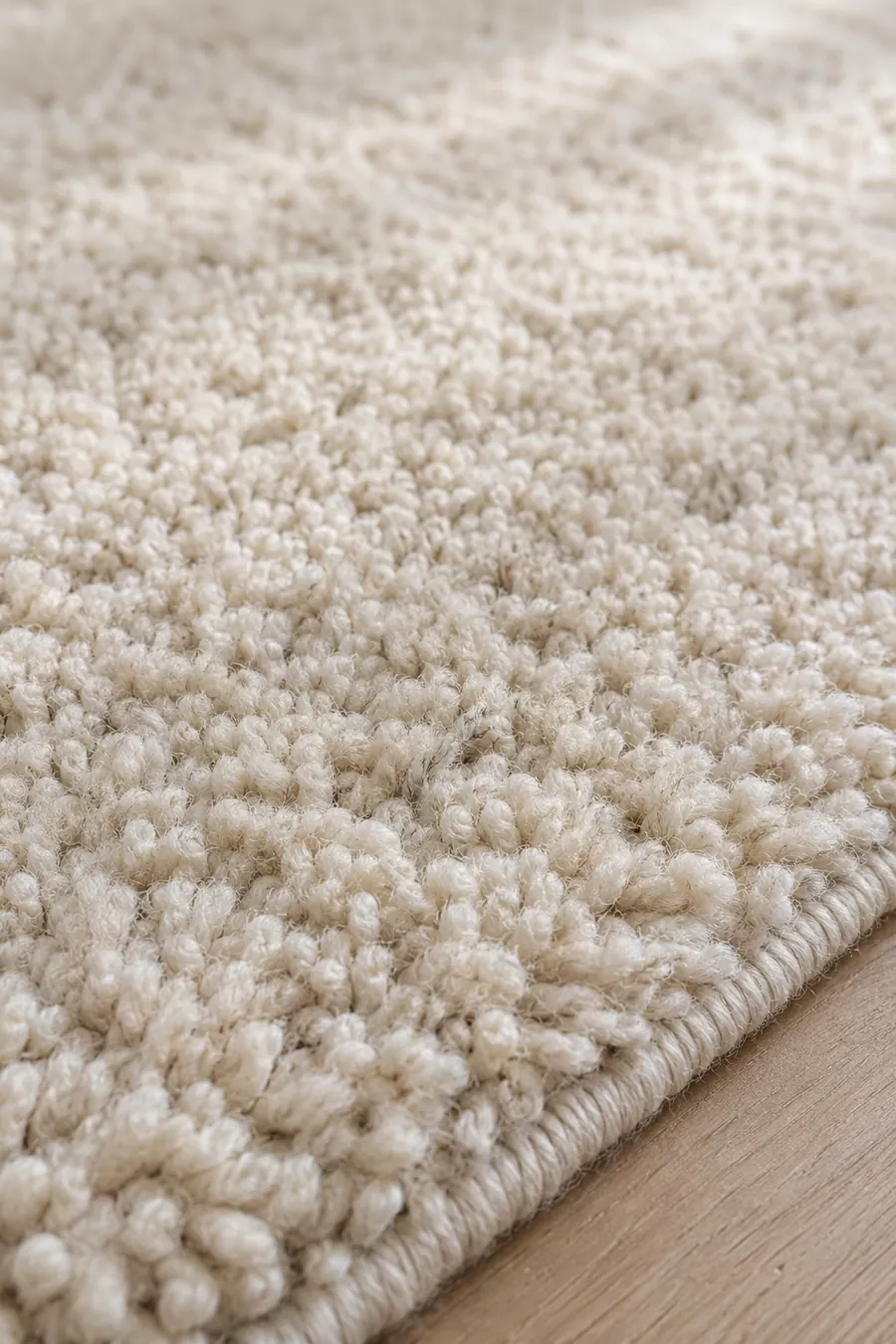
Give the labelled fibre and describe coatings or bonded layers underneath. The face and base may not have the same care requirements. Earlier successful spot treatment does not establish that all future work is suitable.
A flatweave can include several fibres, trims or colour concerns. Keep washing restrictions available. Valuable older rugs, silk and unknown delicate pieces need suitability discussed before arrangements; no specialist restoration or repair should be assumed.

An accessible corner can show the underside and label. Explain stiff patches, powdery coating or separation without peeling layers or pulling a heavy piece free. Describe any separate underlay and floor damage. A rug cleaning quotation does not automatically cover those surfaces, and it cannot rebuild a failing backing.
Say if tassels or binding are dirty, frayed or missing in places. Close photographs help distinguish soil from damage. Ask what can be included and whether the fringe has separate care needs. Avoid cutting loose threads before the appointment: ordinary cleaning does not provide stitching, replacement or restoration of worn sections.
A mark that became lighter after a product may be colour loss rather than an untreated stain. Describe fading, transfer between coloured areas and changes after previous cleaning. Ask how colour sensitivity will be considered. Do not perform another wet test or apply a stronger remover while preparing the enquiry.
Explain food, drink or oily spills, their approximate age and any action taken afterwards. Identify repeated pet incidents separately and mention if the underside or underlay may be involved. Some stains and smells can remain despite appropriate work. Worn pile, burns and dye loss are condition issues rather than removable dirt.
For fabric furniture affected by the same incident, see help with an upholstery enquiry. Provide the chair or cushion details separately so its work is not silently added to the rug request.
Ask which approach is proposed after sharing the actual material and condition. Extraction and dry cleaning are available company categories for carpet and upholstery; their presence does not prove suitability for every rug. Discuss backing, dyes and fragile areas together, and ask what realistic changes can be attempted.
Clarify where the rug would be treated, how movement would be arranged and whether collection and return are included. Those details should relate to the item and address, with no assumed workshop, automatic home treatment or fixed return schedule.

Rug rates vary according to type and condition. Give size, material and the work requested, including fringe or stain concerns. Ask for the complete total and any applicable handling or extra charges before booking. A room-based carpet figure is not a rug tariff, even when both services are being discussed together.
Call with the preferred date, address and entry details. Check availability and the practical arrangements for that booking. A general coverage statement does not establish a slot or transport plan, and nearby pages are information for other local enquiries rather than confirmation that a team is already scheduled.
Yes, explain that the material is unknown. Overall and accessible underside photographs can still help describe the item.
Describe where it sits and discuss handling first. Do not lift heavy furniture solely to prepare photographs.
Give the diameter and describe any fringe, border or furniture restriction. Identify the shape clearly.
Ask what suitable edge or fringe work is covered. Damage and repairs are separate from cleaning dirt.
They should be described as separate surfaces. Confirm the agreed work and total rather than applying a carpet-room tariff to the rug.
Discuss the process and item before booking, then follow the aftercare advice. A universal drying time should not be assumed.
Call about your Hammersmith rug with measurements, care details and the access plan. Ask for suitable work and a complete quote.
Generated photographs illustrate rug materials and handling. They are not photographs of actual staff or customer projects.