
Wool
Provide blend information and maker restrictions if available. Wool pile can use different dyes and bases, and previous care may have changed its texture. A fibre name alone does not determine a suitable process or a return-to-use interval.
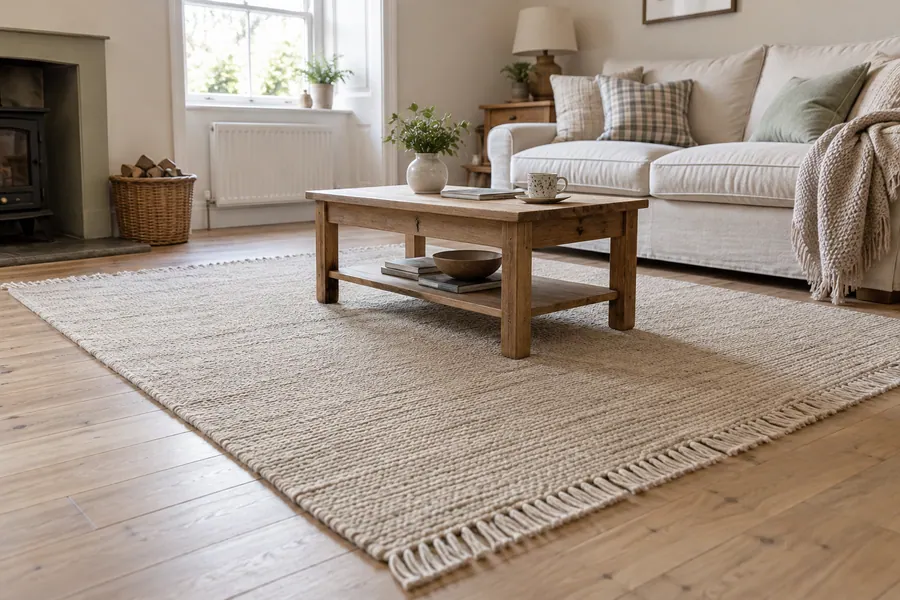

Cleaning and returning a rug to use are separate stages to discuss. Share its construction and the floor beneath it. We can talk through suitable work and aftercare questions for your Kingston upon Thames address.
Say whether furniture rests on it, it covers a busy route or it will go into storage after treatment. Give dimensions, material details and condition photographs. Those practical plans help frame the enquiry without establishing a fixed drying time. A thick area rug and a light runner may have different construction even when the visible soil looks similar.
For installed flooring, carpet cleaning guidance addresses a separate surface. The loose rug’s base and edges need their own description rather than assuming the surrounding room’s process and aftercare apply to it.
Provide blend information and maker restrictions if available. Wool pile can use different dyes and bases, and previous care may have changed its texture. A fibre name alone does not determine a suitable process or a return-to-use interval.
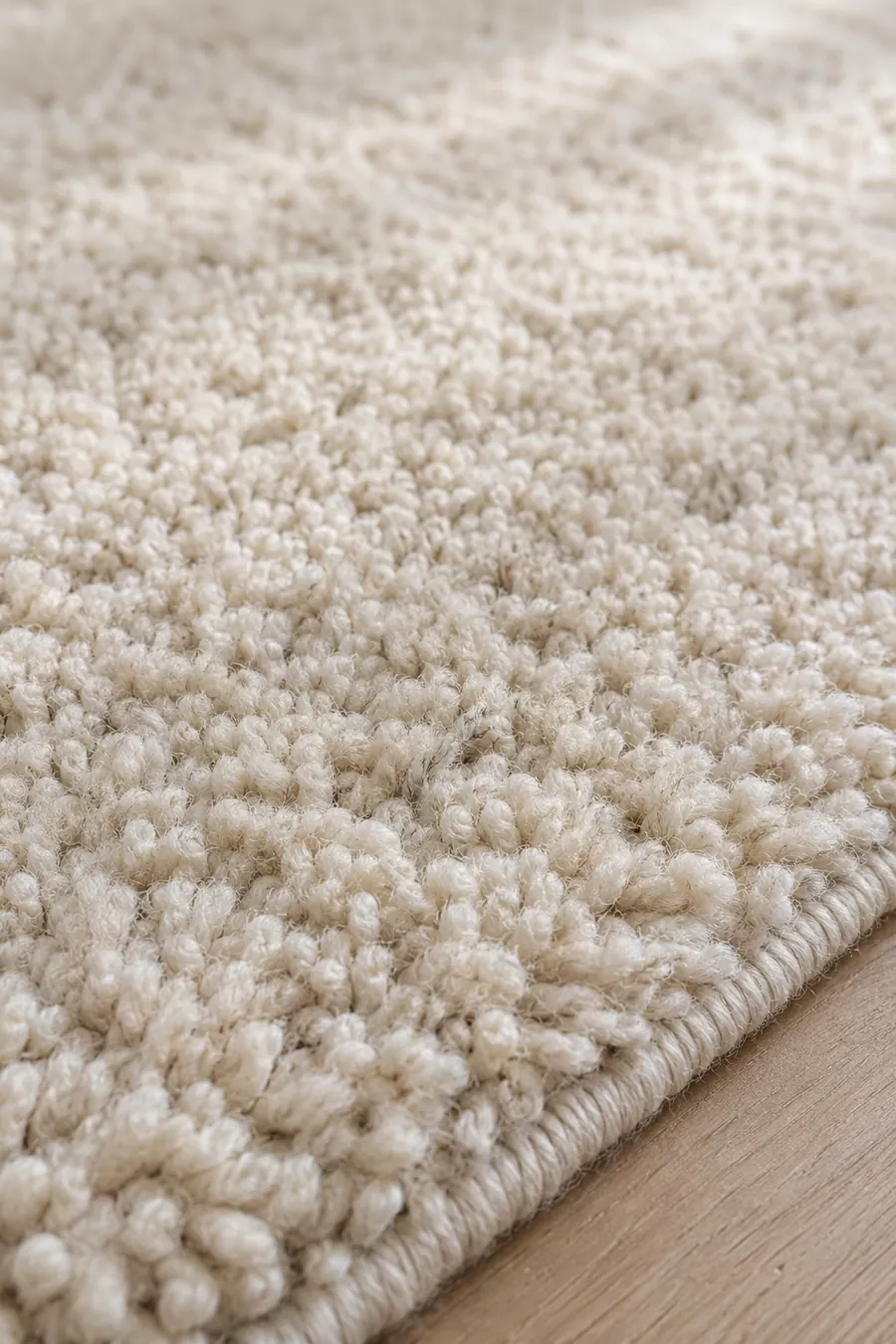
State the labelled fibre and any backing or finish guidance. The synthetic face, bound trim and base may have different restrictions. A hard-wearing appearance should not be used to infer universal moisture tolerance or aftercare.
Flatweaves may include mixed threads and coloured trims. Thinness does not establish machine washing suitability. Silk, antique or valuable rugs need suitability discussed explicitly; ordinary cleaning is not confirmation of conservation or specialist restoration.

Identify the floor and any separate underlay. Share an accessible underside picture or label without moving heavy furniture. Mention stiffness, crumbly coating or separating layers. Those concerns can affect suitable work and handling; cleaning does not repair a failing base or automatically address every supporting surface.
Ask which work suits the fibres, colours and present condition. Extraction and dry cleaning appear in carpet and upholstery categories, but neither is confirmed for every loose rug merely by that grouping. Discuss what can reasonably be attempted and what limitations apply to fragile or unknown sections.
Confirm the treatment location and movement arrangements. Discuss any collection and return for the item and address, checking what the quote includes. A fixed return day, specialist workshop or automatic home treatment should not be assumed before booking.

For food, drinks or grease, give the cause and approximate age, plus products and rubbing afterwards. Some stains may remain after appropriate care. Colour loss, worn pile and burns are condition changes rather than ordinary dirt which can be replaced.
Pet incidents can involve hidden layers and repeated patches. Mention underside or mat concerns as well as the visible mark. For affected fabric furniture, upholstery cleaning details support a separate enquiry rather than adding seating to the rug job without discussion.
Show faded areas, transfer between colours and pale patches after home care. Explain what happened and which product was involved where known. Ask how sensitivity affects proposed treatment. Avoid testing another corner with water yourself, and do not expect cleaning to restore a missing shade or undo all dye damage.
Photograph accessible borders and distinguish dirt from fraying, loose stitching or missing thread. Their materials may differ from the pile. Ask which suitable cleaning is included and what remains a repair concern. Do not trim damaged fibres before the enquiry; cleaning is not replacement edging or seam work.
Keep care notes, dimensions and photographs ready. Clear reachable belongings and describe furniture restrictions. Ask before lifting or rolling a large piece. If general room work is also needed, home deep cleaning tasks are a separate discussion with their own scope.
Rates vary by rug type and condition. Supply measurements, material information and the work wanted, including stain or edge concerns. Confirm the total, included handling and applicable extras before agreeing. Carpet-room figures and earlier furniture prices do not provide a tariff for the loose item.
Give the preferred date, entry arrangements and access restrictions when calling. Check suitability and availability for the actual enquiry. Nearby pages help with other addresses, while your item’s handling and aftercare remain part of its own booking discussion.
No. Ask about the whole item’s readiness after the proposed process, including its backing and construction.
Follow the guidance for the item and avoid rolling or storing it while further drying is needed.
It is practical information for returning the item to position. It does not mean floor treatment is automatically included.
Yes, their fibres, thickness and backing can differ. Ask for advice relevant to each described item.
Do not infer a guaranteed interval from appearance. Construction and the actual treatment need consideration.
Explain it during the enquiry and confirm arrangements. A deadline does not establish a universal drying or return time.
Call with your Kingston upon Thames postcode and rug details. Discuss suitable work, aftercare and the quotation.
Generated photographs illustrate rug materials and handling. They are not photographs of actual staff or customer projects.