
Sofa Cleaning Chiswick
A natural-looking weave does not identify every fibre or care limit. Explain the Chiswick sofa’s labels, construction and marks so the cleaning request is based on the fabric rather than its appearance.
- Woven fabric information requested
- Cushion backs included in the enquiry
- Stain history made clear
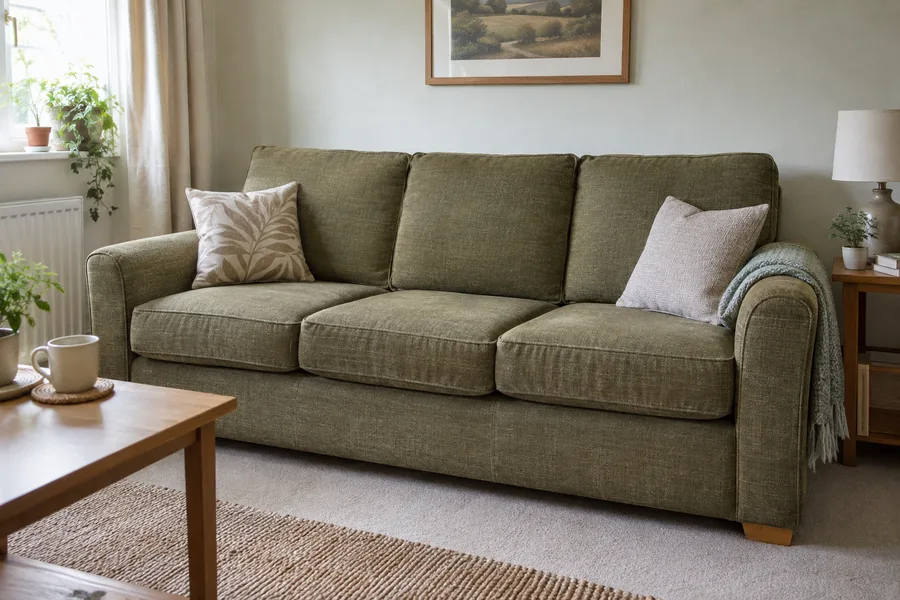
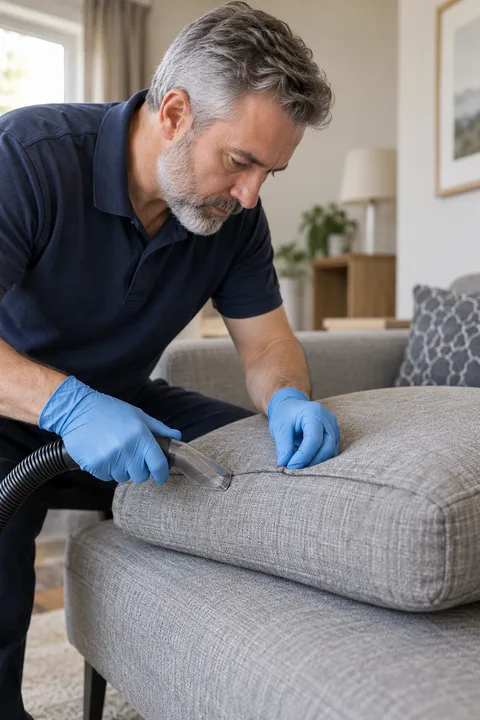
Use the label behind the woven appearance.
A sofa described as linen-look, textured or natural can still contain a mix of fibres. Share the maker’s material and care information where available instead of using those descriptions as instructions. Mention replacement covers, contrasting panels and protective products. If the specification is missing, be clear about what is known and what remains uncertain.
A loose weave may also have worn or pulled threads. Describe these as condition issues rather than stains that must disappear. The method should be discussed using both the fabric guidance and current state. Do not remove or wash a cover merely because its zip opens; detachable construction does not settle its care requirements.

Make the fixed and loose areas easy to identify.
State the seating size and whether the back is fixed or made from loose cushions. Give approximate dimensions and a whole-sofa photograph. Identify a chaise or modular corner if present. Count seat cushions, backs and decorative pieces separately, asking which faces and edges are included in the requested work.
If cushion reverses use another textile, include that detail. A matching footstool or chair is additional furniture rather than automatically another standard sofa seat. See cleaning other upholstered pieces for that broader scope. A complete list is more helpful than a room photograph with no explanation of what is being quoted.
Discuss treatment using the care guidance.

Hot water extraction and dry cleaning for delicate materials are published options for sofa items. Ask which is suitable for the actual woven cover and condition. A natural-looking appearance does not automatically select either process. Confirm the fixed parts, cushion list and specific mark work within the proposed scope.
Professional products and equipment are used. Tell us about earlier protection or home cleaners. If a protective treatment is offered, clarify suitability, inclusion and any extra cost. It should not be assumed to make a woven cover spill-proof or guarantee that future stains can be removed.
Explain drink rings and earlier attempts.
For a tea or coffee mark, give the cause and approximate age if known. Say whether blotting, rubbing or a household product was used. A ring that followed earlier cleaning may need a different explanation from a new spill. Avoid adding more water or foam before the appointment simply to see if the appearance changes.
Point out food marks or pet-related soiling on their own. A smell from below the cover should not be assumed to be a surface-only problem. Complete stain or odour removal is not guaranteed. Fading, worn fibre and earlier colour damage can remain, so the requested result should distinguish cleaning from restoration.
Keep the condition of loose pieces in view.
Mention weak seams, fraying edges and any damaged zip before asking for a clean. A flattened cushion needs a different remedy from dirt on its cover. Ask about the actual requested faces, including a reverse with different backing. Treatment of a fabric surface does not promise rebuilding the filling or reaching every hidden layer.
Leave the pieces with the sofa until their handling is clear. For general dust, kitchen tasks or household surfaces, compare a one-off domestic clean. That is separate work from specialist fabric treatment, even if the sofa is the main reason you are preparing the room.
Ask about the fabric and filling afterwards.
Keep an alternative seat while the treated sofa is unavailable. The general one-to-two-hour working estimate varies with size and condition; drying is another consideration. Chosen method, textile, filling and room conditions affect when use can resume. Ask for appropriate aftercare instead of deciding from the weave or an unrelated sofa’s time estimate.
Follow guidance about cushion positioning, ventilation and returning throws. Do not cover treated pieces based only on the end of the appointment. If the living-room carpet also needs cleaning, include it as another item with working access and its own aftercare discussed.
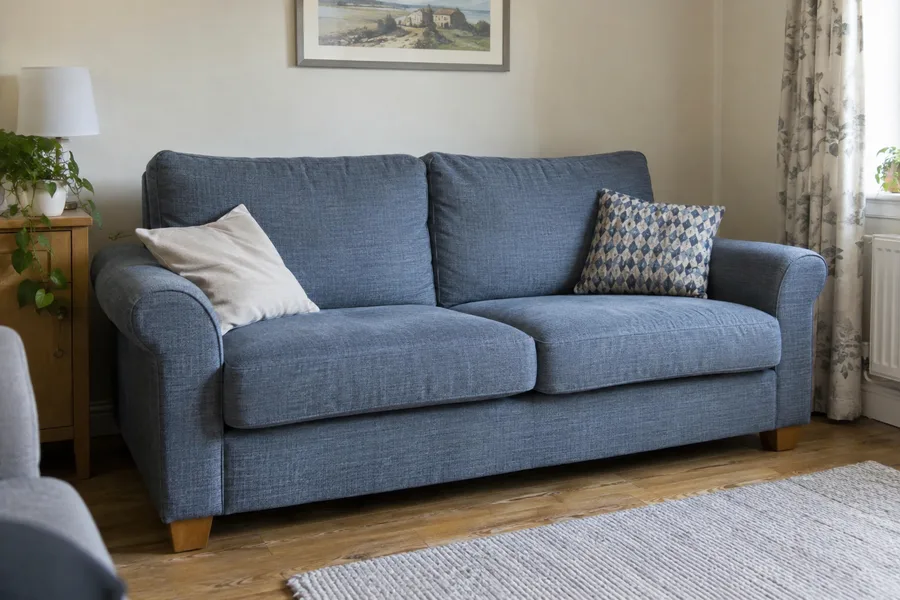
Compare the starting methods and ask for your total.
Two- and three-seat sofa rows give a published starting comparison. Material, layout, condition and cushions remain part of the complete quotation. For a corner or chaise, supply the actual arrangement rather than multiplying a standard figure. Clarify applicable extras and any optional protection before agreeing the work.
| Sofa | Hot water extraction | Dry / delicates |
|---|---|---|
| Two-seater | £36 | £42 |
| Three-seater | £102 | £114 |
Starting figures depend on size, condition, area and availability. Applicable congestion charges are extra. Ask for the total for your sofa and the method suitable for its fabric.
Use the Chiswick postcode and useful room details.
Provide preferred dates and the full postcode to check availability. Explain entry, the route to the seating and nearby furniture affecting access. Clear small objects, with larger movement discussed in advance. Share the care information and piece list with anyone receiving the cleaner, so the fabric details do not rely on a last-minute guess.
Questions about woven covers
Does “linen-look” tell you how the sofa should be cleaned?
It describes appearance rather than complete fibre and care information. Provide the maker’s specification or label if available, with uncertainty stated honestly.
Can a pulled thread be removed like a stain?
A damaged or pulled thread is a condition issue. Cleaning cannot replace missing fibres or mend a damaged thread.
What should I say about an old water ring?
Explain when it appeared and which spill or earlier cleaning may have caused it. Include products used and photographs showing its location.
Are contrasting cushion backs important?
Yes, identify their material and requested faces. They may not follow the front cover’s care guidance or assumed treatment scope.
Can I infer drying from the open weave?
Ask for aftercare for the chosen process and actual filling. Appearance alone does not set a reliable return-to-use time.
Is protection a guarantee against marks on woven fabric?
Do not assume that outcome. Ask whether protection is suitable, how it is quoted and what limitations apply to the proposed treatment.
Talk through the woven covers.
Bring the Chiswick fabric guidance, cushion details and spill history to the enquiry. Ask about appropriate care and the complete sofa amount.
Generated photographs illustrate sofas and cleaning situations. They are not actual staff or customer-job photographs.