
After Builders Cleaning Islington
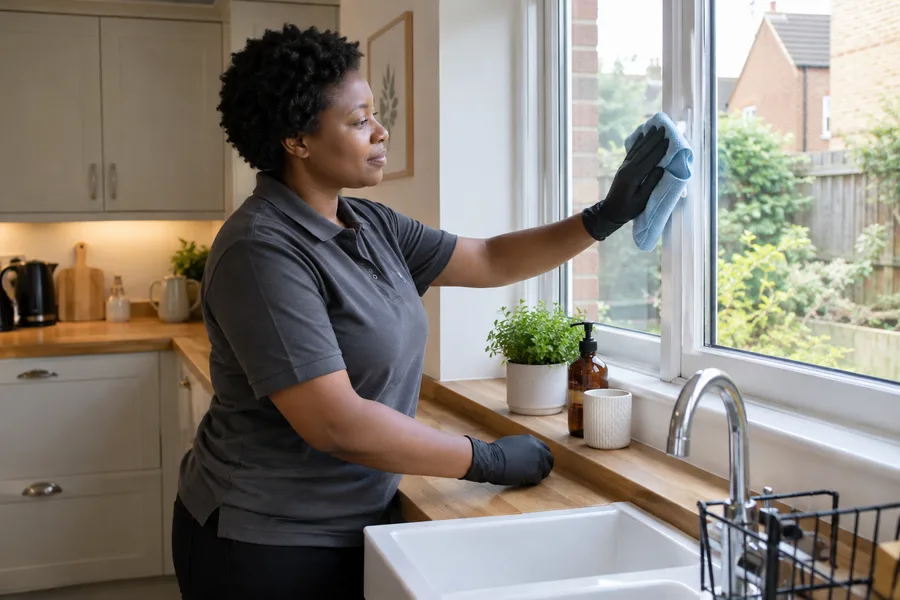
If belongings have returned before the clean is arranged, show how they sit beside dusty surfaces. Tell us about accessible cupboards, furniture and room use at your Islington property. We can discuss the tasks wanted using the occupied layout rather than an earlier empty-room photograph.
- Current belongings included in access planning
- Accessible storage tasks named clearly
- Tools and products supplied for agreed work
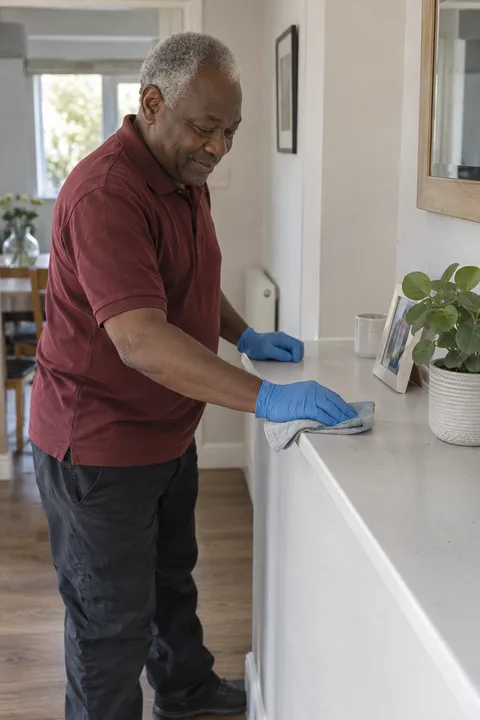

Describe what is stored where.
Name accessible shelves, cupboard interiors and room surfaces wanted for cleaning, and explain which now hold belongings. An empty installation photograph may no longer represent the task. Show the current layout and say what you can safely clear. Ask about inclusion for the actual accessible areas instead of expecting every stored item or concealed space to be handled.
Leave unfamiliar panels, fittings and fixed parts assembled. If one cupboard is available but another is filled, identify that difference. Give the receiving person the same selection so they can show the agreed surfaces rather than deciding on arrival which areas were intended.
Keep the renovation tasks distinct from everyday room use.
After builders cleaning addresses ordinary dust and residue left by the project in agreed areas. Tell us what was refurbished and where those deposits remain. Rooms already occupied may also have routine household dirt, which should be named as a separate priority if wanted.
For broader household attention, discuss one-off home cleaning with the other tasks stated. Ongoing upkeep after the project can be explored through regular domestic visits. Keep each request clear so everyday use does not obscure the construction residue that prompted the enquiry.
Show the edges still affected after unpacking.
Describe settled ordinary dust on accessible ledges, skirting and surfaces around furniture or storage. Explain adjoining routes if they are wanted too. Wide room photographs and edge views can help show the remaining tasks. Tell us whether further fitting, sanding or another dusty job is planned, even though the room has already been put back into use.

Explain occupied units before asking for their interiors.
If a renovated kitchen is in use, say what remains on worktops and inside requested cupboards. Name accessible fronts, shelves and interiors wanted and share care guidance for new materials. Everyday grease inside an appliance and dust outside it are different concerns. Describe the actual surfaces before the cleaning list is agreed.
Ask about practical preparation for the belongings you can clear, avoiding heavy moving or unfamiliar disassembly. A selected cupboard request can remain distinct from the rest of the kitchen if that is your priority. Keep those selections visible in photographs and the written list.
Show the working routes around furniture.
Give the floor material in each requested area and share guidance for new finishes. Explain substantial or fixed obstructions before moving anything. Clear small personal belongings from routes after preparation is discussed. Dust, adhesive and hardened residue should be located separately, with existing damage identified. A carpet concern needing deeper treatment can be raised explicitly in a carpet-cleaning enquiry.
Locate difficult deposits without testing a new finish.
Photograph paint, adhesive or other residue on the affected material and explain relevant history. Share care instructions and products already used. Ask about proposed cleaning before choosing scraping, solvents or abrasive treatment yourself. Cleaning suitable deposits does not repair scratches or restore changed surfaces, so identify damage as a separate concern.
Plan around the current household layout.
Tell us which rooms can be entered and who will receive the cleaner. Discuss the visit after affected dust-producing work is complete. Explain any remaining tools, packaging or building materials and confirm their clearance separately with the contractor. Arrange building-waste clearance with the contractor and discuss large obstructions before the visit.
We bring cleaning tools and products for agreed after builders work. Ask about utilities or other practical arrangements that matter to your property. Keep fragile belongings safe and share updated photographs if access changes after another stage of unpacking.
Agree the reachable surfaces in their present condition.
We discuss tasks, material care, residue and access before arranging the appointment. Confirm the final surface list and give it to the receiving person with existing-condition notes. Ask for a time estimate based on project size and complexity rather than the assumption that an already occupied room has little cleaning left.
If glass is also wanted, identify its panes, faces and approach separately in the enquiry. Update added rooms or newly cleared interiors before the complete quotation is confirmed. Keep the expected layout clear so the work being discussed remains possible to show on the proposed day.
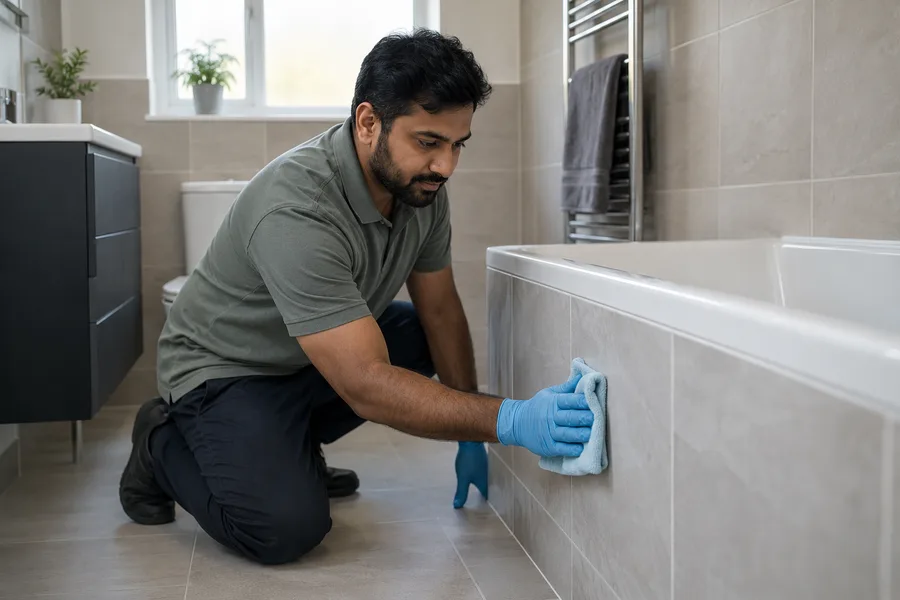
Ask for cleaner hours for the occupied task list.
| Service | From |
|---|---|
| After builders cleaning | £25 per hour per cleaner |
Starting rates depend on availability and are published for areas within the M25. Applicable congestion charges are extra. Ask for the full quotation for the agreed work.
Prices start from £25 per hour per cleaner. Confirm the applicable rate, estimated hours, number of cleaners and full total for work agreed. Accessible surfaces, belongings, deposits and materials help explain the estimate beyond room count. Availability needs checking, with applicable congestion charges additional. Name separate household or carpet tasks expressly before the quotation is settled.
Send current Islington room views with the address.
Send postcode, dates and entry contact with current room views and remaining trade details. We can discuss availability and the quote using the occupied layout.
Cleaning renovation residue after belongings return
Can an old empty-room photograph explain the current task?
Send an updated view or describe what has been unpacked. The requested work needs a clear picture of the surfaces and routes available during the visit.
How do I request only some cupboard interiors?
Name the accessible cupboards and shelves, stating what remains inside. Keep the selection clear in the task list so other storage is not implied.
Does returning furniture mean the project clean is no longer needed?
Describe the dust and residue still present on accessible areas. Current use does not by itself explain the work remaining after renovation.
Will every stored item be moved to reach surfaces?
Explain the belongings and what you can safely clear. Discuss accessible tasks without expecting a general moving or disassembly service.
Can ordinary household dirt be added to the enquiry?
Name those separate priorities alongside construction deposits. Ask which work can be agreed so the renovation request and everyday tasks remain clear.
What if more unpacking changes access before the date?
Update photographs and the requested surface list where needed. Confirm the current layout and quotation rather than relying on an earlier selection.
Which surfaces can be reached with belongings back?
Call with the occupied layout and remaining renovation residue at your Islington address. We can discuss selected tasks, practical access and the complete hourly quote.
Illustrative generated photographs show post-renovation cleaning situations, rather than actual staff or customer jobs.