
After Builders Cleaning Kensington
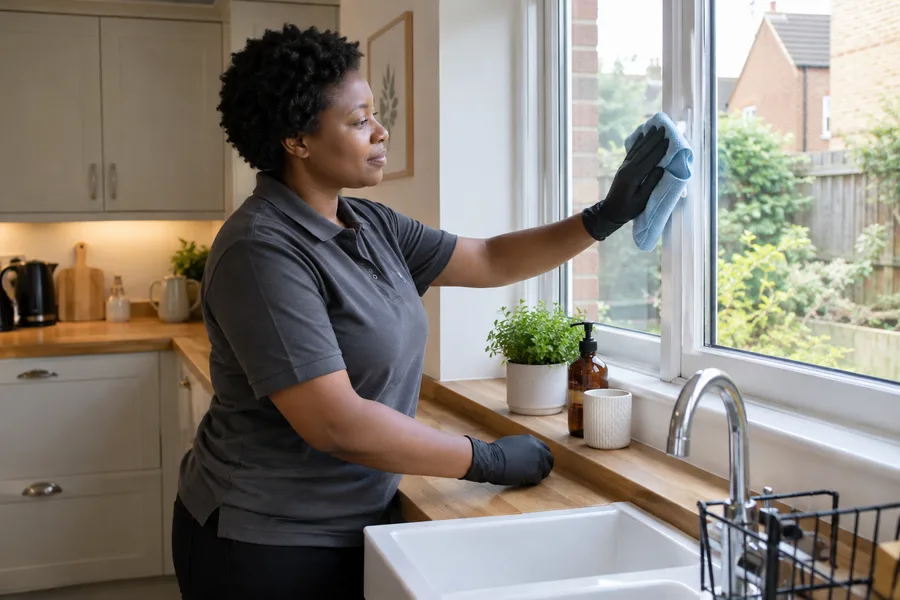
A scratch on a fitting and dust around it need different attention. Show existing concerns and the deposits wanted for cleaning at your Kensington property. We can discuss the ordinary after builders tasks while repair or finish-restoration questions stay on their own list.
- Existing damage identified before treatment
- Cleaning tasks distinct from repairs
- Tools and products brought for agreed work
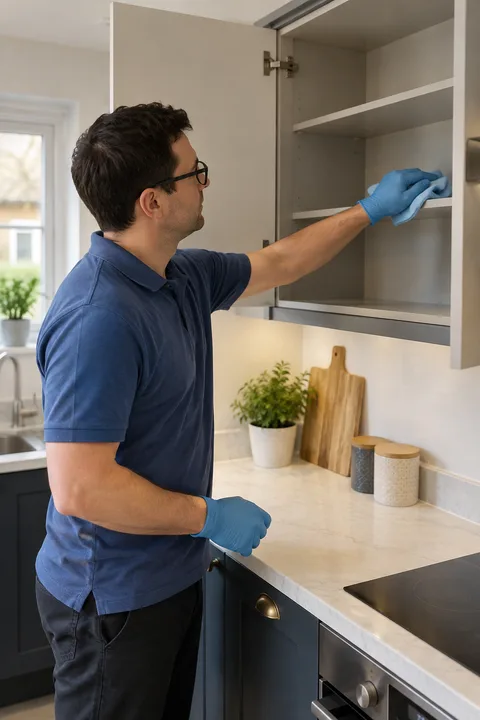

Name the deposit and the separate condition concern.
Photograph paint, adhesive or ordinary dirt on its material and explain relevant project history. If a fitting is scratched, paint is chipped or a coating has changed, identify that as an existing surface concern. A close view can show the mark, while a wider photograph locates it in the room. Keep products already tried in the notes shared with the enquiry.
Cleaning suitable deposits is different from repairing damage or restoring a finish. Ask about the particular cleaning proposed before choosing scraping, solvents or abrasive treatment yourself. Hardened residue and altered material need specific questions; a general project request should not promise that every trace of the work will disappear.
Use two lists for two kinds of work.
Give the builder the repair or snagging concerns, and describe the ordinary dust and residue wanted for cleaning separately. Explain which rooms were refurbished and which accessible surfaces matter. A finishing problem should not be hidden inside a task described simply as making the room clean.
After builders cleaning differs from routine housekeeping because the project’s deposits and new materials need discussing. If another room mostly has older household dirt, ask about a one-off home clean for those separate priorities. Keep the actual renovation areas clearly named in the enquiry.
Show the fittings with their present condition.
For a renovated bathroom, name the basin, bath, shower area and reachable ledges wanted. Share installer guidance for fresh grout, sealant or coatings and ask when they can be cleaned. Point out damaged or loose fittings as separate concerns. Dust around a new installation can be discussed without expecting a cleaning visit to resolve its snagging issues.
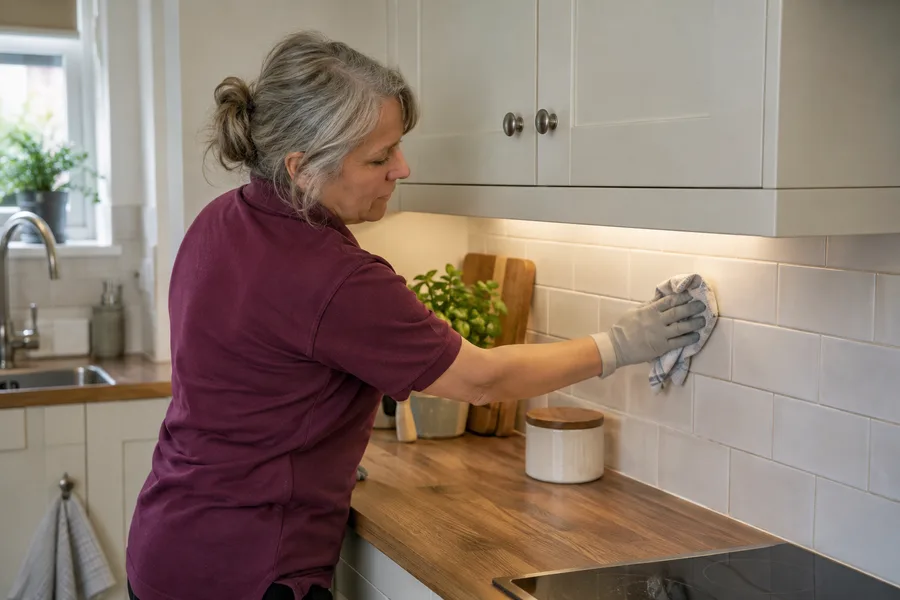
Match the kitchen surfaces to care notes.
Describe worktops, fronts and accessible cupboard interiors wanted, stating whether shelves are empty or in use. Provide care information for the actual materials. A chipped door finish and dust on its face should remain different questions. Leave unfamiliar panels assembled and show restrictions before expecting every concealed interior to be included.
Explain appliance concerns by surface: outside project dust is different from grease inside. Name the tasks expressly. Tell us what belongings or packaging remain around the units so the accessible work expected for the visit is clear.
Keep ordinary dust tasks visible beside the snagging list.
Describe settled dust on accessible skirting, ledges and room surfaces. Include adjoining routes if wanted, with edge views that show their condition. Tell us whether remaining repair work will involve cutting, sanding or another dusty task. Discuss the clean after affected work is complete, so an apparently small snag does not leave the same surfaces needing attention again.
Separate floor residue from finish damage.
Give each requested floor’s material and share care guidance for new coatings or finishes. Locate dust, paint or adhesive separately from scratches and altered areas. Specialist stone restoration and structural repair are different from ordinary cleaning. If a carpet needs deeper treatment, ask about the carpet-cleaning request expressly rather than inferring it from a general room task.
Explain what the returning trades will still affect.
Tell us when remaining work ends and which requested areas it affects. Identify tools, packaging or building materials and confirm their separate clearance arrangements. Discuss substantial belongings or fixed obstructions before moving anything, then clear small personal items from agreed routes. Ordinary cleaning should not be treated as a rubble-removal service.
We supply tools and cleaning products for the agreed after builders tasks. Give the entry contact and ask about utilities or other practical arrangements for the property if needed. Keep care information and known damage notes available to whoever receives the cleaner.
Agree cleaning after the condition questions are described.
We discuss the room list, deposits, material care and access before arranging the appointment. Ask for an estimate using project size and complexity, with repair concerns clearly distinguished. Give the receiving person the current task list so they can show the agreed surfaces and point out existing condition notes.
If glazing also needs attention, name panes, faces and access in a separate window-cleaning enquiry. A scratched pane or internal double-glazing haze needs a different question from surface dirt. Confirm the actual glass work included before expanding the room request.
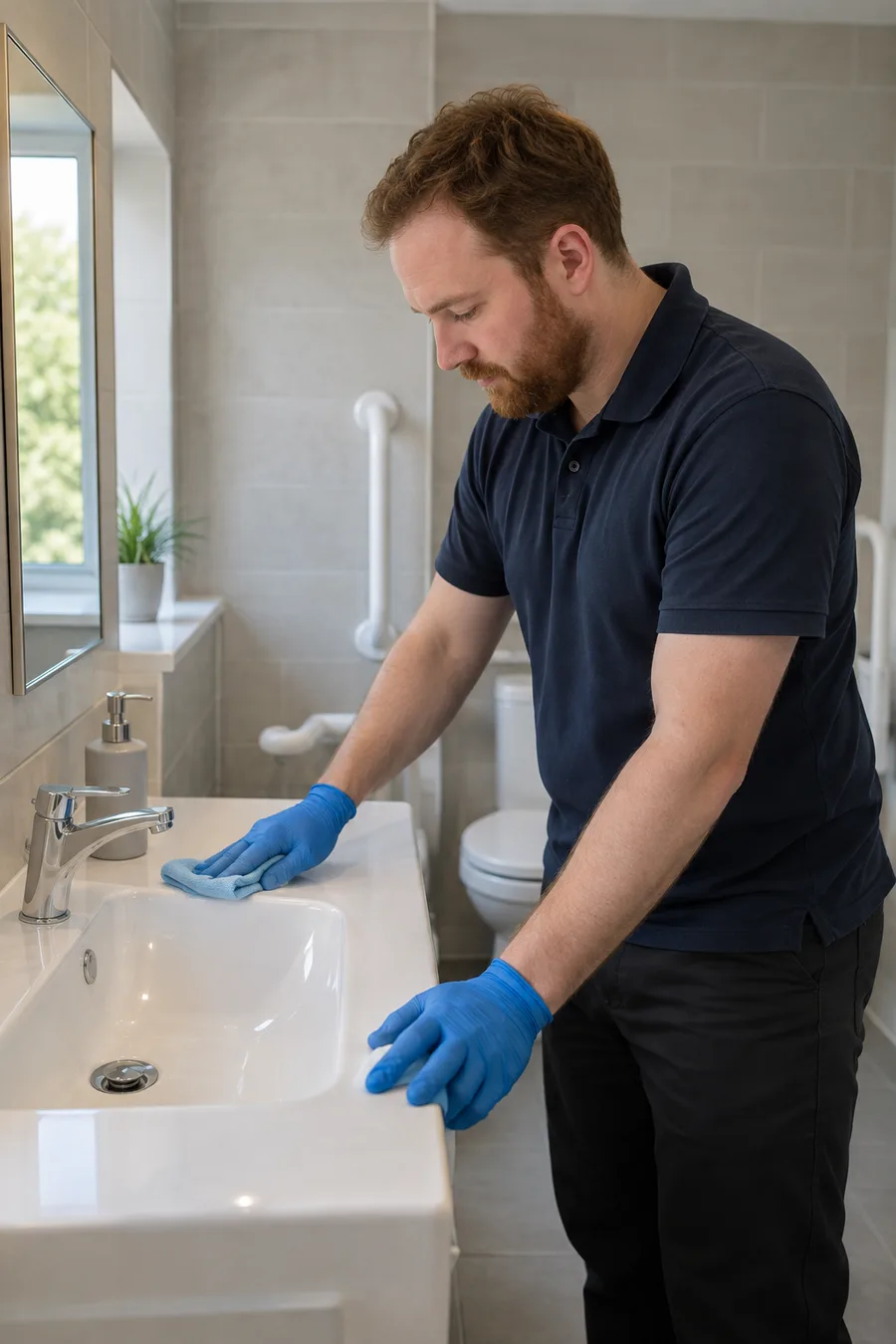
Price the cleaning tasks on their own terms.
| Service | From |
|---|---|
| After builders cleaning | £25 per hour per cleaner |
Starting rates depend on availability and are published for areas within the M25. Applicable congestion charges are extra. Ask for the full quotation for the agreed work.
The starting rate is £25 per hour per cleaner. Confirm the applicable rate, estimated hours, cleaner numbers and total for the work agreed. Deposits, accessible areas and materials inform the estimate beyond the snagging list or room count. Availability needs checking, and applicable congestion charges are additional. Keep separate treatments explicit before the full quotation is confirmed.
Send the Kensington tasks and condition views.
Send postcode, dates and contact with photographs and condition notes. Explain trades and access when discussing availability and the quotation.
Snagging notes and ordinary cleaning priorities
Should a chipped finish be listed as another dirty mark?
Identify it as an existing condition concern separately from deposits. Cleaning tasks and repairs should have distinct descriptions so the expected work remains clear.
Can cleaning resolve every item on the snagging list?
Give repair concerns to the relevant contractor and name cleaning priorities separately. Ordinary deposit treatment is different from renewing finishes or correcting installation faults.
What if a returning repair visit creates more dust?
Explain that task and its timing while discussing dates. Plan cleaning after the affected dusty work ends, with the room condition expected for the visit described.
How should a scratched bathroom fitting be shown?
Use a close view and a wider locating photograph, with the fitting material identified. Keep the scratch separate from dust or residue wanted for cleaning.
Does the hourly quotation include structural repair?
Ask for the rate and hours for agreed cleaning tasks. Structural repair and specialist restoration are separate matters, not part of an ordinary room-cleaning total.
What should the receiving person know about existing concerns?
Give them the current cleaning list and damage notes with care guidance. They can show the agreed surfaces without presenting repairs as promised cleaning outcomes.
Which items need cleaning and which need the builder?
Call with the separate task and condition lists from your Kensington property. We can discuss ordinary residue cleaning, access and the complete hourly quotation.
Illustrative generated photographs show post-renovation cleaning situations, rather than actual staff or customer jobs.