
After Builders Cleaning Orpington

Use a room-by-room look at the finished work to describe what cleaning is wanted. Note dust, surfaces, marks and access at your Orpington property, with remaining trade tasks kept visible. We can discuss the list and estimate using the actual condition rather than a broad renovation label.
- Practical room checklist for the enquiry
- Existing concerns kept beside deposits
- Tools and products brought for agreed work
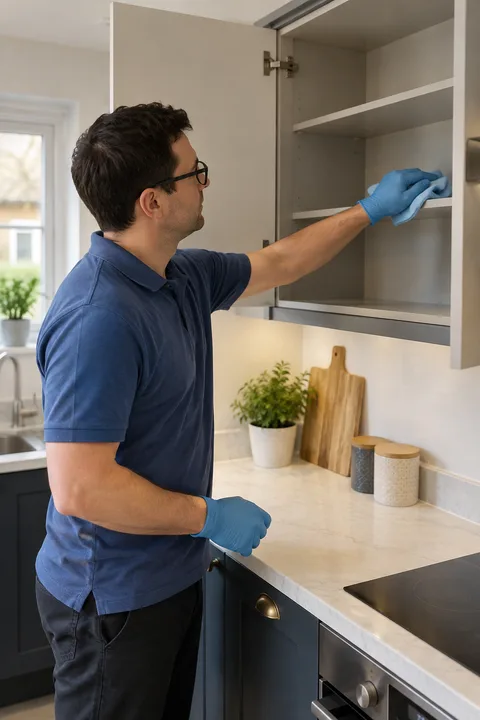
Start with the rooms and what changed.
List the spaces wanted and explain whether they were refitted, plastered, decorated or affected as a route. Identify adjoining areas expressly if wanted. Ordinary post-work dust and residue are different from routine household dirt, so describe the project behind the request. A walkthrough helps you locate priorities without turning the enquiry into every possible task in the home.
If an unaffected room mainly needs a domestic refresh, ask about one-off home cleaning with those separate tasks stated. Keep the renovation list clear beside household priorities. Mark rooms omitted from the request where useful so the receiving person can show the agreed areas accurately.
Look at reachable edges and surfaces.
Note ordinary settled dust on accessible ledges, skirting and other surfaces, with photographs showing room edges as well as wide views. Explain where sanding or cutting happened and whether those stages have finished. A tidy centre can leave detailed edge tasks unseen, so name the surfaces you want considered.
Do not disturb an unknown substance as part of the walkthrough. Raise specific material concerns before an ordinary appointment. After builders cleaning is not hazardous-material disposal or a health-certification service; keep those specialist questions separate from ordinary dust tasks.
Check what is accessible inside the units.
Name worktops, fronts, shelves and cupboard interiors wanted, stating whether they are empty or in use. Share care information for new surfaces and leave unfamiliar panels assembled. Explain dust outside appliances separately from internal grease. Use the checklist to name accessible surfaces individually, including any appliance concern wanted.
Record new-material readiness and existing concerns.
List fittings, tiles and reachable ledges needing attention. Ask the installer about cleaning readiness for fresh grout, sealant or coatings and share that guidance. Locate paint, adhesive and any damage separately. Cleaning suitable deposits does not repair a scratched fitting or restore a changed finish, so note those concerns beside the residue list.

Write down the floor material in each area.
Give timber, laminate, tile, vinyl or another finish, including care instructions for new surfaces. Describe ordinary dust separately from hardened residue and locate existing damage. If a carpet needs deeper treatment, ask about a separate carpet-cleaning request. Keep that condition and proposed work clear beside the general renovation floor tasks.
Photograph specific deposits with a locating view.
Show paint, adhesive or another unusual mark on its material and explain relevant products already tried. Ask about proposed treatment before choosing scraping, solvents or abrasives yourself. A close photograph and wider room view help match the concern to the task list. Ask what cleaning can be offered for each construction deposit, with damage or changed finishes noted separately.
Note what restricts the route to the tasks.
Show furniture, stored belongings and fixed fittings close to dusty surfaces. Explain what can safely be cleared and ask about substantial obstructions before moving items. Keep unfamiliar fitted parts assembled. Once working routes are discussed, clear relevant small personal belongings and place fragile objects safely away. The checklist should reflect the layout expected for the visit, not an earlier empty room.

Add the last trade jobs and clearance plan.
Tell us when affected construction work ends and whether trades return for dusty adjustments. Identify tools, packaging or building waste and confirm their separate clearance arrangements with the contractor. Arrange building-waste clearance before agreed working routes are needed. Give the entry contact and explain which requested spaces can be reached on proposed dates.
We bring tools and cleaning products for agreed after builders work. Ask about utilities or other practical arrangements for the property if needed. Keep new-material guidance and existing-condition notes available to the person receiving the cleaner.
Review the walkthrough list before booking.
We discuss deposits, accessible surfaces, material care and finishing plans while preparing the appointment. Ask for an estimate based on project size and complexity and compare the quotation with your current task list. Update added areas or changed access before the complete request is confirmed.
If glazing also needs attention, identify panes, faces and approaches in a window-cleaning enquiry. Confirm broader glass work expressly rather than extending the room checklist to every outside or higher face. Give the receiver the final room and glass selection.

Ask for the full rate-and-hours quotation.
| Service | From |
|---|---|
| After builders cleaning | £25 per hour per cleaner |
Starting rates depend on availability and are published for areas within the M25. Applicable congestion charges are extra. Ask for the full quotation for the agreed work.
Prices start from £25 per hour per cleaner. Confirm the applicable rate, estimated hours, cleaner numbers and total for work agreed. Dust, residue, materials and access inform the estimate beyond the room count. Availability needs checking and applicable congestion charges are additional. Keep any separate carpet or glass treatments visible in the combined discussion.
Send the Orpington checklist with your address details.
Send postcode, dates and contact with labelled room photographs. Explain remaining trades and access so we can discuss availability and the complete quotation.
A useful walkthrough before arranging the clean
What should I note first in each finished room?
Identify the work done and accessible surfaces wanted, then locate dust and unusual residue. Keep omitted areas and existing-condition concerns clear beside the task list.
Can wide photographs replace views of dusty edges?
Add edge views where they show priorities missed from the doorway. Label accessible ledges, skirting or other surfaces so their requested cleaning is easy to locate.
Should the checklist include returning trade tasks?
Give their timing and affected areas when choosing dates. Discuss cleaning after dust-producing work is complete, with the expected room condition clearly described.
How do I record material-care information?
Attach installer guidance to the relevant surfaces or room labels. Ask about cleaning readiness for new finishes rather than applying one guessed interval to the whole project.
What if the walkthrough reveals another carpet concern?
Describe its condition separately and ask about deeper treatment if wanted. Confirm any additional work and its arrangements rather than inferring it from general floor tasks.
Can a new area be added after the checklist is discussed?
Share its surfaces, deposits and access, then review the updated task list and quotation. Keep the receiving instructions matched to the request actually agreed.
What did the finished-room walkthrough show?
Call with the dust, surfaces and remaining tasks at your Orpington property. We can discuss the requested clean, estimated hours and complete quotation.
Illustrative generated photographs show post-renovation cleaning situations, rather than actual staff or customer jobs.