Star Domestic Cleaners
Menu
MOULD & MOISTURE · FINSBURY

Mould Removal Finsbury

When a patch returns, the earlier work becomes part of the enquiry. Tell us where it reappeared and what happened between treatments. We investigate accessible moisture concerns and discuss suitable work for Finsbury.

  • Earlier treatment reviewed
  • Recurring locations identified
  • Outstanding tasks kept clear
Visible affected wall corner beside a freestanding cabinet
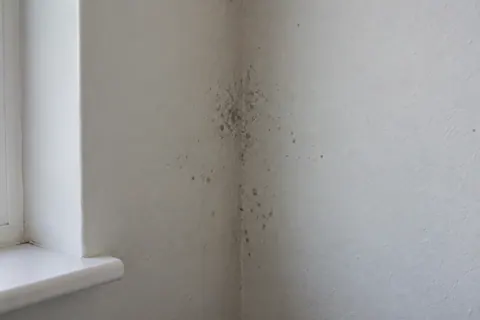
Dark surface speckles along a painted wall corner

Describe what returned, and where.

A discoloured finish left after work is not necessarily the same observation as new visible growth. Explain which change you have noticed and keep the original position identifiable. Give dates of cleaning, repair or painting if known. Photographs from before and after can show the history without proving the cause or condition of concealed material.

Booking ordinary one-off household cleaning should not replace reporting recurrence. Mould and moisture need their own enquiry rather than another assumed wiping task.

Repeated cleaning can leave the water question unresolved.

Moisture may involve condensation, a leak or an external water route. Those possibilities require evidence, and one does not automatically exclude another. Visible treatment cannot guarantee prevention while the conditions remain. Returning, widespread or partly hidden mould calls for appropriate professional assessment instead of judging the whole problem from the size of one photograph.

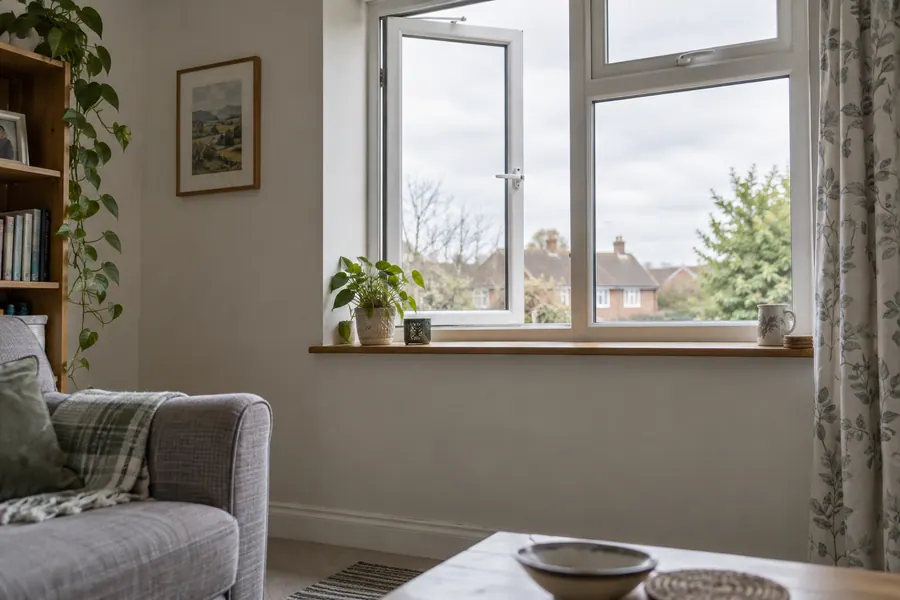
Partly open window in an ordinary sitting room

Use the earlier history to plan the next decision.

Describe previous work

Give known treatment and repair details with the affected position. Explain what remains uncertain and any access restriction. We discuss inspection and moisture checks around that account rather than assuming the last explanation was complete.

Review accessible evidence

We consider the current material and moisture concern and explain observations. Ask how findings relate to the earlier work and whether further investigation is needed. An accessible visit cannot establish every condition behind unopened finishes.

Agree the next scope

Confirm which treatment and investigation tasks are proposed now. Preparation, occupants and any revised price need explaining before work is accepted. A repeat enquiry should have a clear purpose rather than an undefined instruction to do everything again.

Keep different recurring positions separate.

Dark speckles on a bathroom seal and grout joint

Bathroom changes

Identify painted ceiling, tile joints or sealant. Say whether a mark returned on the same material or elsewhere after work. Explain extraction concerns and damaged finishes without assuming a replacement fan or fresh seal is automatically included in treatment.

Window observations

Show the frame and neighbouring wall with the position of recurring growth. Describe droplets, wetting after weather or a patch that persists when glass appears dry. These different timings help the investigation; a window-side location alone is not a diagnosis.

Kitchen history

Give the location near cupboards, appliances or water fittings, with known repairs. Do not dismantle units to show a hidden area. Surface treatment, a plumbing check and cleaning grease are different tasks, even when their positions are close together.

Separate surface results from unfinished source work.

Agreed material

We discuss suitable treatment for accessible affected surfaces after considering condition. Damaged material may need another response. Clarify the positions included rather than interpreting an improved wall appearance as completion of every related task.

Moisture question

Inspection and moisture investigation help establish what needs attention. Continuing dampness or intermittent wetting may leave a question for further checks. Keep that limitation attached to the relevant area.

Repair decisions

Do not read treatment as automatic plumbing, structural repair, replacement or decoration. Ask which work is recommended, who carries it out and whether it is quoted separately. Investigation can inform repairs without being the same appointment.

Keep an account of the actual changes.

Follow instructions for the agreed work and retain any moisture recommendations. Report whether growth returns, moves or changes after a repair, with dates and photographs of the same location. An improved appearance is not proof that every source has been resolved. Separate routine home tasks do not provide ongoing mould remediation or a prevention guarantee.

Small affected wall area beside a kitchen window

Bring the old information, not a freshly scrubbed surface.

Keep earlier photographs, product names and repair records ready. Explain furniture restrictions and ask about movement rather than dragging heavy items away. Do not disturb extensive growth or open finishes to prepare. If an agent is arranging end-of-tenancy cleaning, coordinate its separate scope without using the handover date as a substitute for appropriate assessment.

Raise practical concerns before attendance.

Discuss who uses the room and any access or occupant requirements. Do not improvise a new treatment or mix products while waiting for advice. Cleaning-substance precautions from HSE explain why product handling needs care. Tell us what has already been applied so the history stays clear.

Seek a healthcare professional’s advice about symptoms. A recurring patch photograph cannot give a medical diagnosis. The government damp and mould guidance explains health risks and the importance of addressing moisture.

Quote the new work rather than reuse the old amount.

Materials, area, access, investigation and proposed treatment affect the enquiry. An earlier invoice may describe different work from what is needed now. Confirm assessment, surfaces and follow-on tasks in the total, with separate charges explained. There is no ordinary room-cleaning rate which establishes a mould tariff or covers every concealed condition.

Discuss the Finsbury booking arrangements.

We cover Finsbury. Give the full postcode and preferred date, then check availability and access for the current concern. Explain who can authorise work or provide earlier records where another owner or managing agent is involved.

Mould enquiry questions for Finsbury

Does an unchanged stain prove mould returned?

Describe whether you see new growth, changed wetting or old discolouration. These observations need different consideration rather than one assumed diagnosis.

Why keep an earlier repair date?

It helps relate current observations to what changed. Identify the repaired component as well as the date if known.

Can I simply request the same treatment again?

Explain the recurrence first. Accessible inspection and moisture findings may support a different next step or additional scope.

What if one corner improved but another did not?

Keep both positions identifiable and describe each change. Improvement at one surface does not settle the other concern.

Should I repaint before the enquiry?

Describe the existing finish and previous work. Do not conceal or disturb the affected area merely to prepare photographs.

Does regular cleaning prevent another recurrence?

Routine household work has a separate purpose. It should not be treated as mould remediation or a guarantee while moisture concerns remain.

Explain the history of the returning patch.

Call with your Finsbury postcode, dates and photographs. Discuss the accessible findings and what work needs agreeing next.

Generated photographs illustrate affected surfaces and room conditions. They are not customer cases or evidence of treatment results.