Star Domestic Cleaners
Menu
MOULD & MOISTURE · KENTISH TOWN

Mould Removal Kentish Town

A dry-looking room during a visit may not show the conditions you usually notice. Tell us when moisture and marks change, with dated photographs. We investigate accessible concerns and discuss suitable mould work for Kentish Town.

  • Normal timing described
  • Earlier observations considered
  • Visit limits explained clearly
Small affected wall area beside a kitchen window
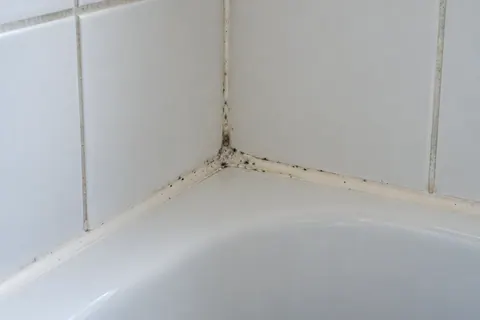
Dark speckles on a bathroom seal and grout joint

Describe an ordinary day in the affected room.

Say when you usually notice water, marks or a smell and whether they persist later. Keep photographs from those naturally occurring conditions with their dates. You do not need to make the room unusually wet or change its normal use to demonstrate the concern. A dry-looking surface at one time does not explain every earlier observation or concealed layer.

For other room tasks, a one-off household clean remains separate. Ordinary cleaning cannot replace inspection of recurring mould or an intermittent moisture question.

Let timing guide the enquiry without becoming a diagnosis.

Condensation, leaks or external water entry can need consideration, sometimes together. A morning pattern or a change after rain is useful history, not proof of one cause. Removing visible growth does not necessarily address moisture or prevent another patch. Returning, extensive or suspected hidden mould warrants appropriate professional assessment even if the visible area appears dry when calling.

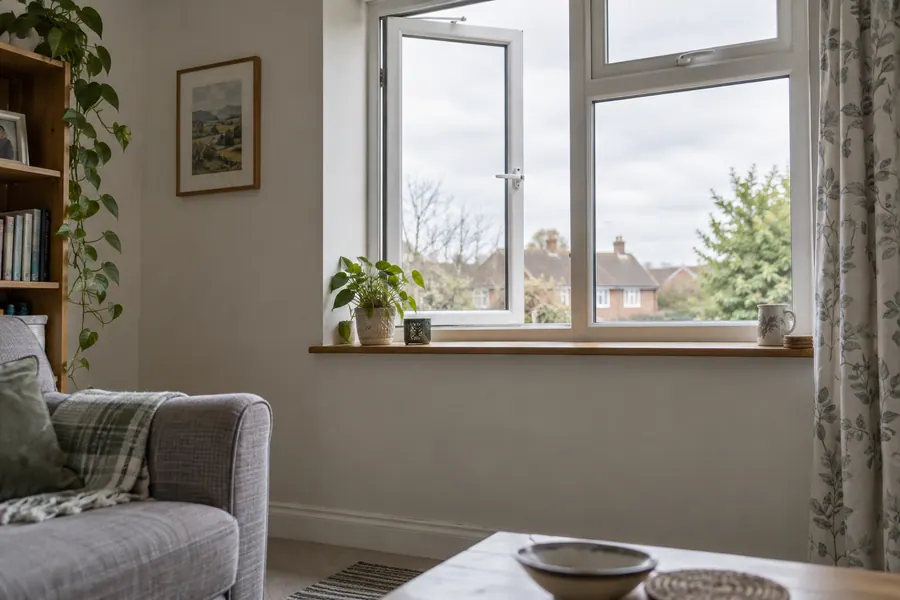
Partly open window in an ordinary sitting room

Keep normal-use observations with the relevant surface.

Condensation on a window with dark marks near the inner frame

Window opening

Show glass, frame and neighbouring wall. Describe when droplets appear and whether a nearby patch remains after they clear. One opening may differ from another without that alone establishing a source. Include known repair history rather than assume new glazing settles the concern.

Bathroom

Identify painted ceiling, grout or sealant beside the bath or shower. Explain moisture during ordinary use and any known extraction problem. Suitable surface treatment, seal replacement and equipment installation need different agreement rather than one assumed room solution.

Kitchen

Locate growth near units or fittings and describe naturally observed changes. Mention a known water incident without running equipment to recreate it. Grease on tiles and wet or partly hidden material should remain separate observations and service tasks.

Use current and earlier evidence together.

Plan the visit

Give the postcode, affected positions and dated history. We discuss accessible inspection and relevant moisture checks around those observations. Explain returning growth, extensive areas or restricted access before attendance.

Understand the limit

We explain accessible findings and how they relate to the account. Ask what is supported and which intermittent or concealed question remains open. One appointment does not recreate every condition or clear every hidden route.

Agree next work

Confirm included investigation, suitable treatment and preparation. If another check or revised scope is proposed, ask its purpose and price before acceptance. Occupant arrangements should fit the actual job.

Define what the visit can address.

Affected surfaces

We assess accessible material and condition before proposing cleaning and treatment for included areas. Damaged or unseen layers can need another response. Name the positions rather than assume the complete room is one confirmed condition.

Moisture investigation

Inspection and source-related checks consider accessible evidence and the reported pattern. Another observation or access arrangement may be needed. Keep uncertainty visible rather than presenting a single dry visit as a full conclusion.

Other work

A treatment quote does not automatically cover plumbing, structural repairs, ventilation installation, replacement or decoration. Clarify who carries out recommended tasks and whether they are separately priced. Investigation is distinct from every repair completed.

Visible affected wall corner beside a freestanding cabinet

Bring the history rather than recreate the problem.

Keep photographs, dates, earlier product names and repair information ready. Do not disturb growth, open walls or deliberately make a suspected leak occur. Explain furniture and entry restrictions and ask what belongings need clearing. If a handover is approaching, a separate tenancy clean does not change the assessment needed for mould.

Follow arrangements for the agreed treatment.

Do not mix cleaning products or improvise another application while awaiting the plan. Explain previous products and relevant occupant requirements. HSE advice about cleaning precautions provides official information; preparation should be based on the actual task, not a household recipe.

Health concerns need a healthcare professional rather than a diagnosis from room timing. UK government damp and mould guidance explains risks and addressing moisture. A service visit cannot guarantee an individual health or air-quality outcome.

Watch the original positions during normal use.

Keep the instructions and any outstanding moisture recommendations. If growth or wetting returns, report when it happens and what work took place in between. A brief unusually dry period does not settle every source question. Routine domestic cleaning tasks have another purpose and do not provide ongoing mould remediation or a prevention guarantee.

Quote identifiable checks and treatment.

Area, materials, condition, access and investigation affect suitable work. Confirm assessment and surface tasks in the total, with further work or applicable charges stated separately. Ordinary room figures are not a mould tariff. Dated pictures help describe the enquiry but cannot define every concealed condition or automatically include repeated investigations.

Check the Kentish Town booking details.

We cover Kentish Town. Give the postcode, preferred date and who can provide entry or approve work. Confirm availability for the concern described.

Mould enquiry questions for Kentish Town

Can a dry visit still consider earlier wetting?

Share dated observations and photographs. Accessible findings should retain any uncertainty about conditions which are not present during the appointment.

Should I create steam to demonstrate the pattern?

Describe normal-use observations instead. Do not deliberately recreate unusual conditions or a suspected damaging water problem for the enquiry.

Does morning moisture prove condensation is the only issue?

Do not assume one explanation accounts for every mark. Keep separate wall or water observations available for appropriate investigation.

Why keep photographs from different times?

They can explain how the same position changes during ordinary use. Dates and locations make them useful rather than contradictory images.

Can one visit exclude every intermittent leak?

No such conclusion should be assumed. Confirm accessible findings and which source questions need another check or arrangement.

What should be compared after treatment?

Return to the original affected positions during normal use, with instructions and any separate work details retained.

Explain when the concern usually appears.

Call with your Kentish Town postcode and dated photographs. Discuss accessible checks, suitable treatment and the quotation.

Generated photographs illustrate affected surfaces and room conditions. They are not customer cases or evidence of treatment results.