Star Domestic Cleaners
Menu
RETURNING MOULD · WALLINGTON

Mould Removal Wallington

A fresh coat of paint does not explain why a patch has returned. Tell us what changed after decorating and where dampness remains. We’ll discuss inspection, moisture investigation and suitable treatment for the Wallington property.

  • Earlier decoration noted
  • Moisture concerns investigated
  • Treatment separated from finishing work
Visible affected wall corner beside a freestanding cabinet
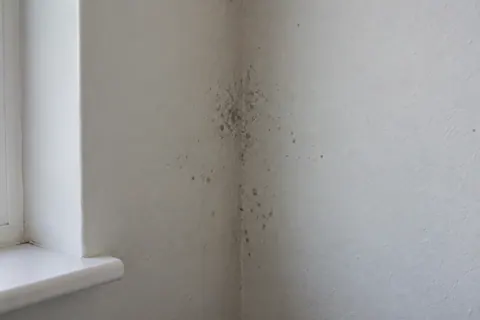
Dark surface speckles along a painted wall corner

Start with the sequence of changes.

Say when the area was last cleaned or painted and when the marks reappeared. Name the products or finishes where known, and describe any repairs carried out between those dates. Pictures of the room, the affected surface and its surrounding wall help explain the position without needing to scrape paint away.

A changed appearance can have more than one explanation. State whether you have seen growth, wetness, peeling or staining rather than treating them as the same thing. If the area is behind furniture or a new finish, explain what is inaccessible. Do not remove material just to investigate it for the enquiry.

A visible finish is only part of the problem.

Condensation, a leak or water entering the building can contribute to damp conditions. The location of a patch and the time it returned are useful observations, but they do not establish the cause on their own. Inspection should consider the moisture concern alongside suitable surface work. Repeated, extensive or suspected concealed mould needs appropriate professional assessment.

Further decoration is not a substitute for that investigation. Explain any earlier advice and keep relevant repair findings available so the next discussion starts with what is known and what remains uncertain.

Condensation on a window with dark marks near the inner frame
Small affected wall area beside a kitchen window

Keep paint and treatment information available.

Gather the dates, photographs and names of products already used. Ask about access to affected areas before moving furniture or belongings. Avoid sanding, brushing, opening finishes or applying more chemicals to make the patch easier to show. If unrelated decorating debris needs clearing, describe it through after builders cleaning as a separate request, not as mould treatment.

Explain the finish in each affected room.

Dark speckles on a bathroom seal and grout joint

A painted bathroom surface

Describe the ceiling or wall and mention recurring wetness or an extraction problem you know about. Tiles, joints and sealant need their own description. Damaged paint or failed sealant can require work beyond suitable accessible cleaning, so ask what is proposed for the actual material.

Window reveals and corners

Show the frame, reveal and nearby wall together. Mention when condensation appears or staining changes, including any pattern you have noticed after weather changes. Those details guide an assessment; they are not proof that every patch beside glass is caused solely by condensation.

A kitchen wall or cupboard area

Identify the paint, tile or other finish and explain access around appliances. Include known plumbing concerns and recent changes. Ordinary grease or dust cleaning elsewhere in the kitchen should not be confused with investigating recurring mould.

Agree the next step before more work is done.

Inspect what can be reached

We discuss the history and arrange suitable inspection and moisture investigation. Restricted access or earlier covering needs to be explained so the visit is planned around the conditions.

Explain the observations

We discuss the findings and whether the surface, moisture concern or a further investigation needs attention. Ask what remains uncertain rather than interpreting every observation as a complete diagnosis.

Set out the proposal

Check which surface tasks, investigation and treatment are included. Further repair or finishing work should be identified separately, with preparation and any change in scope explained before agreement.

Separate treatment, moisture work and decoration.

Surface treatment

The affected material and condition inform the suitable cleaning or treatment proposed. Ask which accessible areas can be addressed and whether any damaged finish limits the work.

Moisture investigation

We investigate moisture concerns and explain advice or additional checks needed. Removing a mark without considering why the area stays wet can leave an important part of the problem unresolved.

Reinstatement and repairs

A mould treatment quotation does not automatically include stripping paint, replacing plaster, plumbing repairs or redecorating. Confirm who will arrange any further task and whether it has been separately quoted.

Describe the condition without disturbing it.

Avoid improvised chemical treatment while waiting for the agreed preparation instructions. HSE cleaning-substance guidance explains chemical precautions, including not mixing products. Discuss practical needs for occupants and pets when arranging access. Health concerns belong with an appropriate healthcare professional; a cleaning enquiry cannot diagnose symptoms or prove the air is safe.

Use the findings to plan the follow-on work.

Keep the agreed treatment advice and information about outstanding moisture or repair tasks. If a patch returns, note when and where and seek suitable assessment rather than assuming another coat of paint is enough. Once the relevant issues are addressed, ordinary household deep cleaning remains a separate service for other tasks. It does not guarantee that mould cannot return.

Ask which stages the quotation covers.

The extent, materials, access and investigation affect the proposed work. Request clarity on the assessed surface treatment and any separate checks, repairs or finishing. A general cleaning rate does not price a returning mould problem. If a handover is approaching, describe that deadline when discussing the separate end-of-tenancy service, without assuming the deadline changes what assessment is needed.

Arrange the enquiry for the Wallington address.

We serve Wallington. Send the postcode, photographs and relevant access details. Tell us if someone else arranges entry or needs to approve the proposal. Timing, preparation and any further task must be confirmed for this property; the area name alone does not establish an appointment or return date.

Questions when mould returns after decoration

Should I send the paint or product name?

Yes, where known. Earlier finishes and treatment help explain the history; also say when they were applied.

Does returning mould mean the new paint was wrong?

The patch alone does not settle the cause. Moisture conditions, material and the wider history need appropriate investigation.

Should I scrape the surface for a better photograph?

Do not disturb the material for the enquiry. Send accessible views and explain what has been covered or cannot be reached.

Is repainting included in mould treatment?

Ask what the quotation states. Reinstatement and decoration are separate tasks unless expressly agreed.

Can a bathroom patch be linked to moisture elsewhere?

Give information about every affected area and known leak or damp concern. The investigation can consider possible connections.

What should I do if marks reappear after the agreed work?

Record the location and timing, keep the aftercare information and seek appropriate assessment of any unresolved moisture concern.

Explain what happened after decorating.

Call with the Wallington postcode, dates and affected surfaces. Discuss inspection and a proposal which keeps treatment and finishing work clear.

Generated photographs illustrate affected surfaces and room conditions. They are not customer cases or evidence of treatment results.