
Arrange assessment
We discuss the information and suitable inspection of accessible areas. Explain access restrictions, recurring mould or suspected concealed moisture before the visit is planned.
When a tenant, landlord or managing agent is arranging mould work, clear information helps everyone plan the visit. Describe the affected areas and who can supply access. We’ll discuss inspection, moisture concerns and the work proposed.

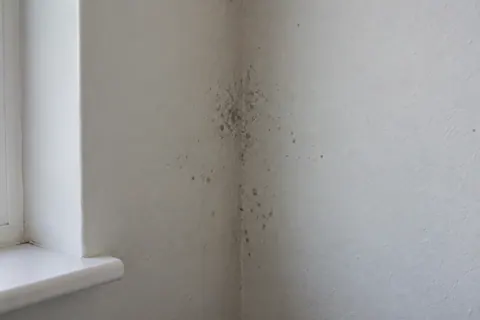
Give the address and identify the person who supplies entry, the person reporting the problem and anyone who needs the quotation. These may be different people. Share dates and photographs of affected areas, plus relevant earlier treatment or repair information. Make clear what you can see and what is inaccessible.
For rented homes, report mould and damp concerns to the landlord or managing agent as well as arranging an enquiry. Keep records of the condition and communication. A cleaning appointment should not replace discussion of a moisture or repair issue, and this page does not decide responsibility under a particular tenancy.
We discuss the information and suitable inspection of accessible areas. Explain access restrictions, recurring mould or suspected concealed moisture before the visit is planned.
Moisture investigation helps establish the next steps alongside surface treatment. Ask what has been observed, what remains uncertain and whether another investigation or task is needed.
State who can accept the work and any changed proposal. Check the named surfaces, treatment, investigation and preparation, with further tasks separately explained rather than assumed.

Explain keys, appointments with occupants and relevant restrictions when calling. Ask which belongings need clearing and how people and pets should be accommodated. Do not dismantle furniture, open finishes or disturb growth to make an inspection easier. Keep the product names and earlier repair details available. If a handover is due, arrange the ordinary end-of-tenancy clean separately; its deadline does not replace mould assessment.

Identify ceilings, painted walls, tiles, grout or sealant and show the broader location where safe. Mention recurring patches and extraction problems already known. Damaged finishes or failing sealant may require more than suitable accessible surface work.
Include the frame, reveal and adjacent corner in the history. State when wetness is visible and whether there is rain-related staining or a known leak. The patch’s position helps describe the enquiry but does not establish the moisture cause alone.
Describe accessible wall or joint surfaces and explain cupboards or appliances which block a view. Share known plumbing concerns. Do not assume a kitchen grease clean includes mould investigation or that inaccessible areas can simply be dismantled during a visit.
We consider the affected material, condition and extent before agreeing suitable cleaning or treatment. Ask which accessible surfaces are included and where damage limits the proposal.
We inspect and investigate moisture concerns, explain findings and discuss advice or further checks. A preliminary observation should not be treated as a complete explanation of every hidden area.
Plumbing, structural damp repairs, replacement, installation and decoration are not automatically included. Clarify who will arrange any identified additional task and whether it is separately quoted.
Condensation, leaks or water entering the building can contribute to dampness, and more than one issue may exist. Provide the timing and any previous professional findings without deciding the cause from a surface photograph. Recurring, extensive or suspected hidden mould requires appropriate professional assessment. Removing visible growth alone may leave the moisture source unresolved.
If work is already being arranged elsewhere in the property, explain it before scheduling treatment. The sequence may need discussion so that cleaning is not mistaken for a completed building repair.

Damp and mould can affect health; concerns about symptoms should go to an appropriate healthcare professional. The UK government damp and mould guidance provides general information. Tell us about practical occupant requirements when planning the work. Avoid mixing chemicals or applying improvised treatments while waiting for preparation advice.
Keep the treatment instructions and information about outstanding moisture checks or repair tasks. Decide who will report any recurrence and record where and when it appears. A cleaner-looking area does not prove that a hidden leak has been repaired. Regular household cleaning can address other ordinary tasks, but it is not continuing mould remediation or a promise against future growth.
Materials, extent, access and investigation influence the suitable work. The total should identify surface treatment and any included assessment, with further checks or repairs explained separately. Confirm who needs the quotation and who can approve changes. A standard room-cleaning amount is not a mould tariff. For other household work, use a separate deep cleaning enquiry and keep the tasks distinct.
We serve Wandsworth. Provide the address, preferred timing and relevant entry arrangements. Explain if the contact person is not present at the property. Appointment availability and the details for this problem need confirmation, rather than being inferred from an area page or another person’s cleaning booking.
Explain their roles when calling and state who supplies access and can approve work. Keep the condition information clear for everyone involved.
No. Ordinary handover cleaning has another scope. Mould and moisture concerns need suitable assessment and agreed treatment.
Keep relevant findings and repair details available. They explain what has already been investigated and what remains unresolved.
A service proposal describes work and charges; it does not determine a legal dispute about the particular property.
Check the scope and arrangements. A further repair, installation or replacement can require separate agreement and a separate quotation.
Agree a practical contact arrangement, retain the aftercare information and report the location and timing for appropriate further assessment.
Call about the Wandsworth property with the affected-area history and contact arrangements. Discuss inspection and the agreed work before booking.
Generated photographs illustrate affected surfaces and room conditions. They are not customer cases or evidence of treatment results.