
Oven Cleaning Orpington
If an occasionally used oven is becoming part of everyday cooking, look at the deposits and fittings before changing the routine. Tell us about the appliance and the concerns you want considered. We can discuss cleaning and a quotation for your Orpington address.
- Current oven condition described
- Original fittings and extras identified
- Cooking plans considered when booking
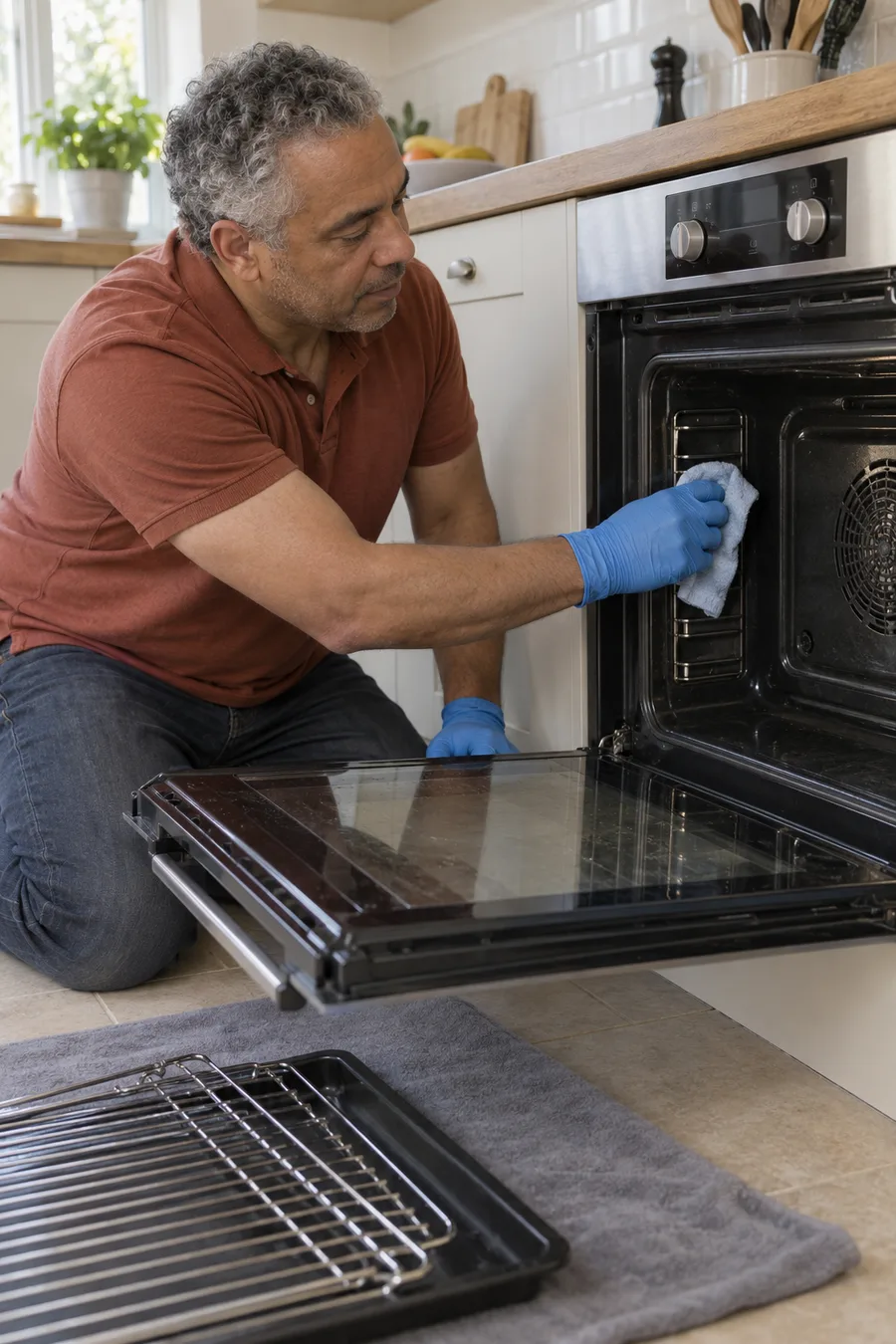
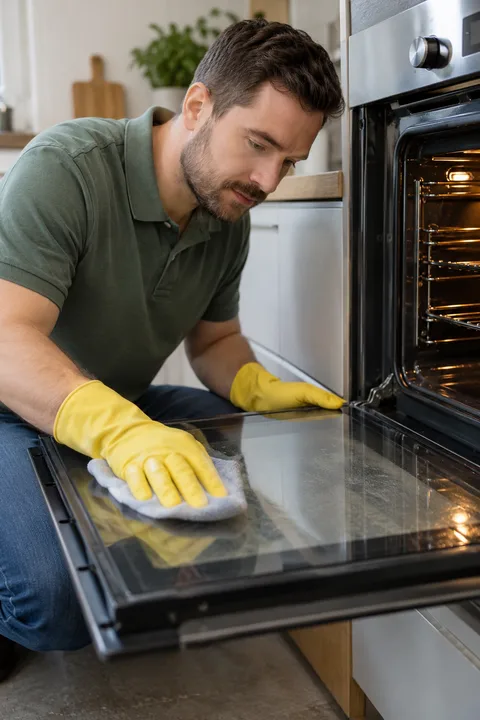
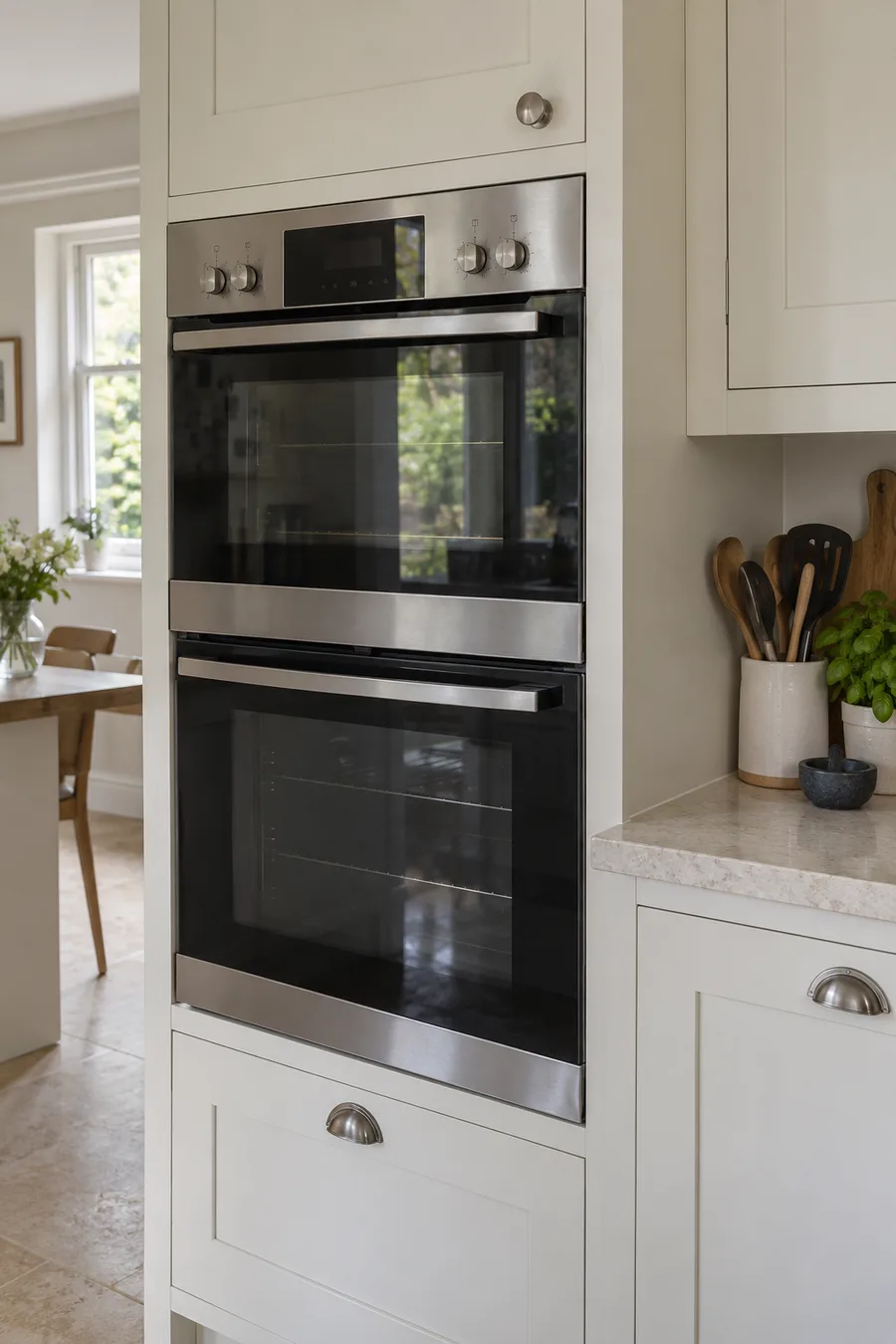
Describe the oven’s current use and layout.
Say whether the appliance is single or double, built-in or a range cooker, and give make and model details where available. Explain which compartments are normally used and which now need attention. Show the appliance and interiors rather than assuming an occasional cooking routine means every section has the same condition.
Share manufacturer guidance and any restriction on cleaning surfaces or products. Mention earlier professional or home treatment where known. Keep doors, panels and unfamiliar electrical components assembled while the accessible work is discussed, and give dimensions for an unusual arrangement if requested.
Show the deposits you have noticed.
Describe grease, burnt food and known spills in their positions. Give approximate age and products applied afterwards, with wider compartment views and close concerns. If a mark’s history is unknown, say so rather than assigning it to a particular meal because the oven has been used infrequently.
Show damage, permanent marks and faults apart from deposits. Cleaning cannot repair those changes or promise a new finish. Ask about realistic work using the current condition, without another product intended simply to make the appearance more uniform before the enquiry.
Count the original items used for cooking.
Included fittings are original racks and grill pans. Give actual counts and identify replacements or extra shelves. The single-oven starting example includes two racks and the double-oven example three, but the quotation should reflect the appliance and items you actually have.
List added baking trays, spare fixtures and aftermarket accessories separately. Additional fixtures carry extra charges. Ask which requested items can be treated and how they affect the total before turning the oven into a more frequently used part of the kitchen routine.
Agree the work before the next busy cooking period.
We use professional products and equipment for the agreed oven interiors, door, racks and trays. Send model details, care guidance and the fitting list so accessible surfaces, extras and practical requirements can be discussed before booking. Explain the particular deposits and compartments you want considered.
At the visit, show the booked oven and original items to the receiving person. Raise less accessible concerns before expecting component removal or deep electrical treatment. Get the cleaner’s cooking-use guidance for the actual work and share it with everyone using the appliance as the routine changes.

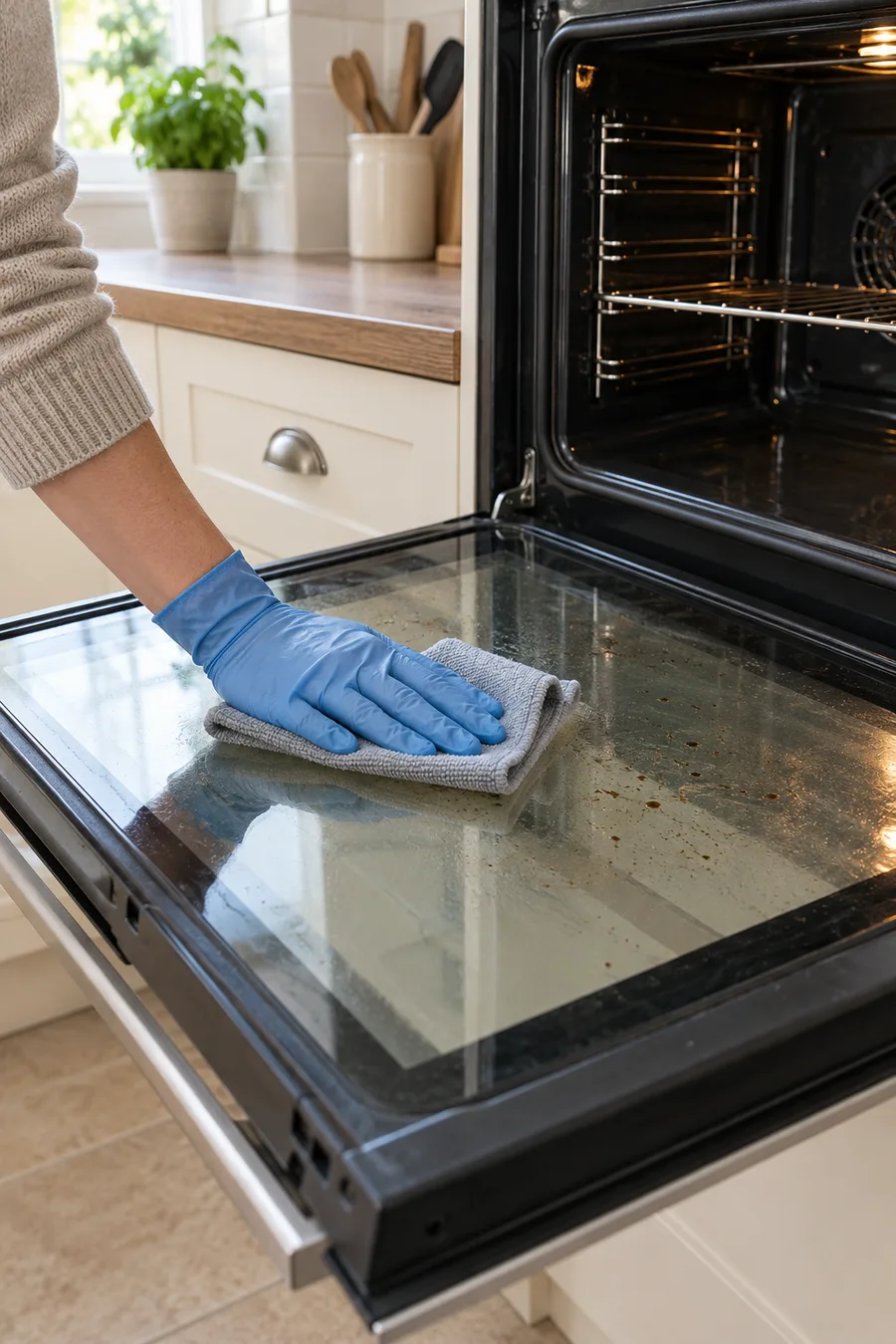
Include glass concerns without taking the door apart.
Show accessible door glass with an overall view and close mark. Say whether a concern appears on a reachable surface or elsewhere and share model guidance where available. Leave the door assembled while discussing proposed work, rather than releasing panes or fittings to inspect an unfamiliar area yourself.
Clear access and confirm the cooking arrangements.
Pre-cleaning is not required; removing loose debris can help. Clear personal belongings from the open-door space and route to the appliance. Ask about preparation without assuming every rack must be scrubbed or unfamiliar panels removed before the cleaner arrives.
Confirm cooling and switch-off timing for the appointment and explain planned oven use beforehand. Give entry, stairs and parking details and identify the receiving contact. Keep the care information and fitting list available so the requested work remains clear on the day.
Ask for an estimate that fits the actual oven.
Allow roughly one to two hours for cleaning work, then ask about your oven and requested extras. Size and condition affect the estimate, including compartments and fitting counts. Explain dates when cooking will become busier so availability and preparation can be discussed around the household plan.
Before putting the oven into its new regular routine, ask when it can be used after treatment and whether any practical step is needed. Keep another meal option until the cleaner’s advice is clear. Follow that guidance rather than starting a burn-off or preheating routine based on another appliance.
Confirm the appliance total and requested extras.
Single oven, two racks, from £45. Double oven, three racks, from £63.
Consult the starting figures and describe actual type, dimensions, condition and fitting details. Area and availability affect the quote, with applicable congestion charges additional. Confirm surfaces and added-fixture charges before booking. If hob or extractor work is also wanted, identify it separately so the complete appliance quotation is clear.
Arrange other household tasks around the routine.
For ongoing kitchen upkeep, discuss regular home cleaning. A wider reset can involve one-off deep cleaning. If the appliance stays for a move, include the oven and fitting details within an end of tenancy cleaning enquiry so the appliance treatment and property work are clearly described.
Send the Orpington oven and cooking-plan details.
Give the postcode and preferred dates with model views, deposits and original fitting counts. Identify the receiving contact and access arrangements, including any timing needs for cooking. We can discuss availability and the complete quote for the appliance and requested work.
Questions when an oven is used more often
Does occasional use tell you how clean the oven is?
Show the current condition and describe deposits and known incidents. Use history is helpful context but does not replace appliance views, model information or the fitting list.
Should I mention compartments we rarely use?
Explain which sections you want considered and how they differ. A rarely used compartment still needs a clear place in the enquiry rather than being assumed identical to the main oven.
Can I arrange the visit before cooking becomes busier?
Give preferred dates and explain the planned routine. Discuss availability, preparation and an estimate for the actual oven and extras before agreeing the appointment.
Do new trays become original fittings through regular use?
No. Identify original racks and grill pans and list added items separately. Confirm treatment and extra fixture charges even when the accessories are used every day.
What information is useful for an unexplained old mark?
Say when it was noticed and describe earlier products or attempts where known. Show its position in the appliance without assigning an incident you cannot confirm.
Who should receive advice for the new cooking routine?
Make the cleaner’s return-to-use guidance available to everyone using the oven. Follow advice for the actual treatment rather than passing on only the appointment finish time.
Which oven is joining the everyday routine?
Send its current condition, model and original fitting list with your cooking plans. We will discuss accessible cleaning and the full quote for your Orpington visit.
Illustrative generated photographs show appliances and cleaning situations, rather than actual staff or customer jobs.