
Wool fibres
Wool and blends can differ in dyes, texture and construction. Keep the label and mention any earlier change after cleaning. The fibre name is useful, but a suitable method also depends on backing, trims and the item’s condition.


Colour changes need explaining before another treatment. Tell us about the rug, its dyes and earlier products. We can discuss suitable cleaning and arrangements for your Bayswater address.
Describe the composition from a label or purchase record if available. A traditional design, cream border or bright geometric pattern does not tell us which fibres and dyes were used. Include an overall photograph and explain what concerns you. Give dimensions in clear units, saying whether fringe is counted. If several rugs are involved, keep photographs and details attached to the correct item.
The fixed floor has a different construction. Refer to care for fitted carpet if that also needs cleaning, rather than assuming the loose rug is included in a room quotation.
A pale patch after a spray, a faded strip and colour that has travelled from one thread to another are different observations. Explain the timing and known products without trying to diagnose everything yourself. Show both the affected area and its place in the pattern. Ask how colour sensitivity will be considered. Cleaning cannot be guaranteed to restore missing dye or undo an earlier colour run.
Wool and blends can differ in dyes, texture and construction. Keep the label and mention any earlier change after cleaning. The fibre name is useful, but a suitable method also depends on backing, trims and the item’s condition.
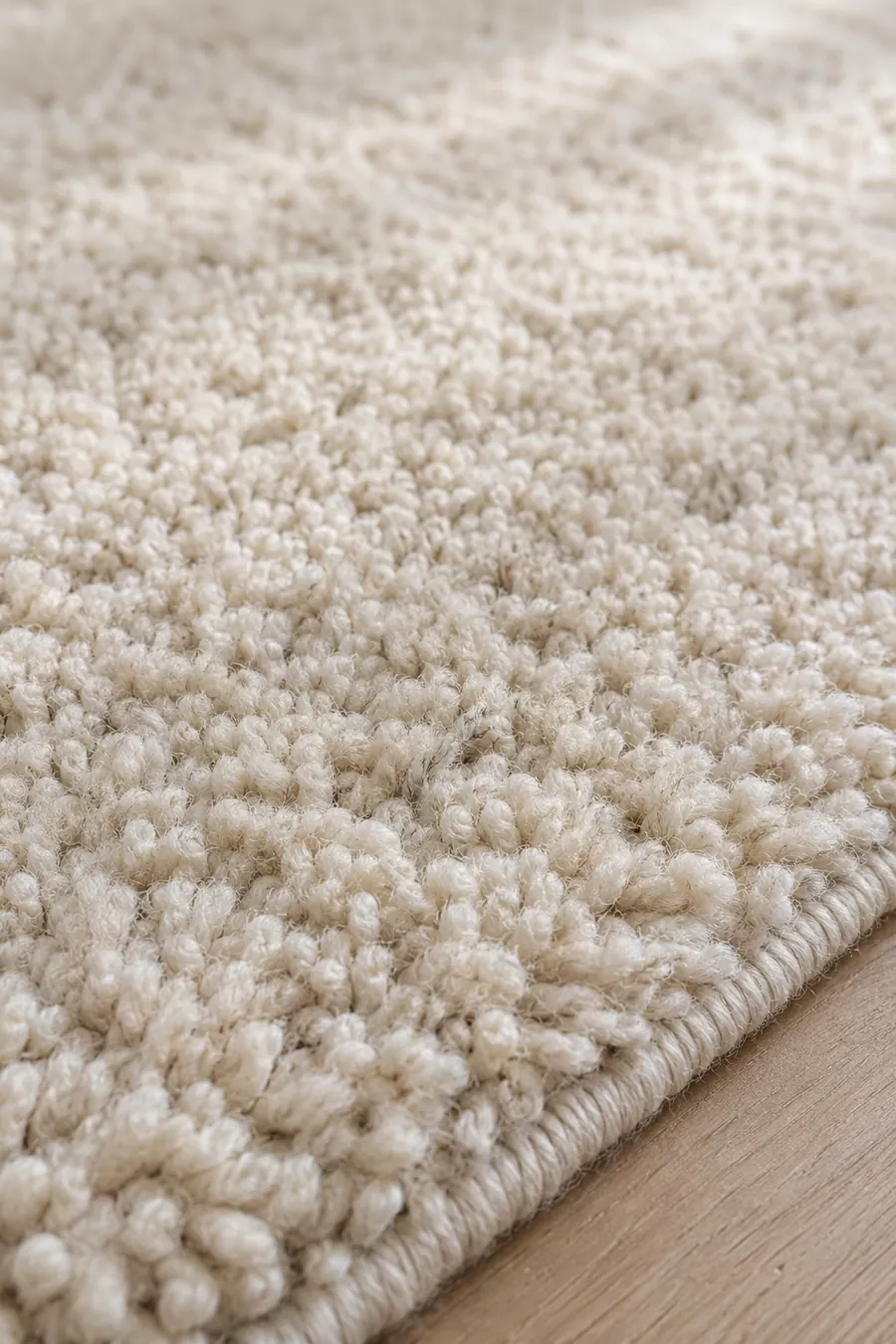
Read any composition information instead of guessing from the shine. A synthetic pile may sit on a reverse with separate restrictions. Include known coatings and home products; durability in daily use does not establish compatibility with every cleaning process.
A light weave is not automatically washable at home. Give instructions for cotton, mixed or delicate pieces, and ask about suitability. Silk, antique or valuable textiles should not be booked on an assumption of specialist restoration or repair.
Say what was spilt and approximately when. Mention scrubbing, soaking and any cleaning products applied afterwards, even if you cannot see their residue. Describe pet-related incidents and repeated patches separately, including concerns underneath. Some stains or smells can remain after suitable work. If upholstery has also been affected, use a separate furniture fabric enquiry with its own description.
Show the fringe, bindings and corners as well as the centre. A coloured trim can have different care needs from the main pile. Mention open seams, loose strands or a worn patch before movement. Ask which edge work is suitable and included. Cleaning dirt from a border does not replace missing threads, and trimming damage is not preparation for a cleaning enquiry.

If a light corner can safely be lifted, photograph the reverse and label. Say if dye has appeared on a pad or floor, or if backing is cracked, sticky or separating. Leave heavy or awkward rugs in place and explain access restrictions. Do not peel layers apart or scrub the underside. Ask which surfaces the booking covers; a loose rug clean does not repair backing or a damaged supporting floor.
Carpet and upholstery information describes extraction and dry or delicate categories. Those categories do not establish a fixed treatment for every rug. Ask what is proposed for the fibres, backing and dyes, which concerns can be addressed, and what limitations apply. Confirm the location of treatment and the handling arrangements. Collection and delivery should be discussed for the actual address, not assumed to be included automatically.

Remove loose belongings, keep care guidance ready and photograph existing marks before booking. Describe furniture standing on the rug and ask about movement instead of dragging heavy items. Do not apply a fresh product or conduct your own wet dye test. For general room tasks, a one-off clean can be discussed separately; that task list does not automatically include treatment of the loose textile.
Rates vary according to type and condition. Give length, width, known fabric, backing information and the work requested. Identify fringe concerns and optional treatments separately. Confirm the complete amount and any applicable handling or other charges before booking. Fitted-room carpet prices and furniture tariffs relate to different items; neither provides a numerical rate for your loose rug.
Send the postcode, preferred date and access details with the item description. Availability and suitable handling need confirming for that address. If another person is providing entry, mention it early. Nearby area pages are useful for enquiries elsewhere, but a district name alone does not establish a slot, a treatment location or the same quote for every rug.
No. Share labels or purchase details where available. The design is not evidence of composition, dye stability or specialist restoration requirements.
That cannot be promised. Lost dye and bleaching are different from removable soil; describe the change before discussing suitable treatment.
Do not experiment with a home dye test. Share existing observations and ask how colour sensitivity affects the proposed work.
Not necessarily. Describe it separately, include photographs and check what edge or fringe work is suitable and included.
Yes. Provide their names if known and explain where they were applied. The treatment history remains useful even without visible residue.
Explain the material, condition and value concerns before booking. Do not assume ordinary cleaning includes conservation, dye restoration or repair.
Call with fabric information, photographs and the Bayswater postcode. Ask about suitable work and a clear item quotation.
Generated photographs illustrate rug materials and handling. They are not photographs of actual staff or customer projects.