Star Domestic Cleaners
Menu
LOOSE RUGS · BELGRAVIA

Rug Cleaning Belgravia

For a valuable or unfamiliar rug, describe what you know before booking treatment. Labels, construction and condition matter more than a design name. Enquire about suitable cleaning in Belgravia.

  • Care restrictions discussed
  • Existing damage identified
  • Suitability clarified before booking

Keep purchase information with the enquiry.

A label, invoice or maker’s note can supply details that photographs cannot. Share fibre composition and restrictions, and say when information is uncertain. Words such as handmade or a design’s country of origin do not establish a safe process. Include overall views and explain any value concerns before arranging work. You do not need to guess a specialist category to start the discussion.

A fitted floor belongs in a separate carpet cleaning request. The rug’s size, underside and edges need their own description rather than being assumed part of a room booking.

Discuss the fabric without broad guarantees.

Wool construction

Wool content is one useful fact among several. Share blends, dyes, backing details and previous cleaning history. A thick pile and a flat weave can have different construction even when both contain wool, so ask about suitability for the actual item.

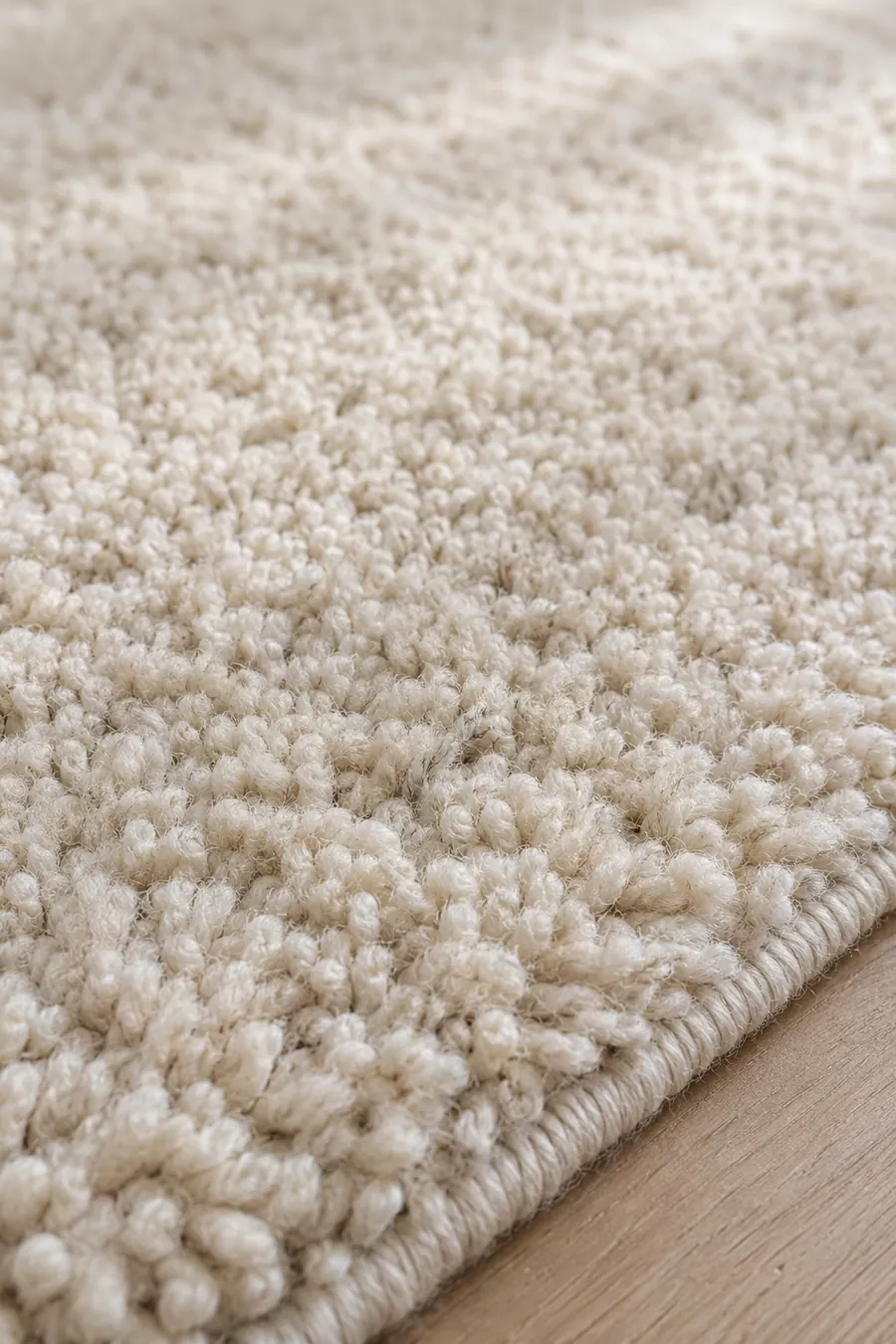
Close detail of short wool rug tufts

Synthetic construction

A synthetic fibre label does not rule out delicate trims or a vulnerable reverse. Include any known coatings and earlier treatment. The appearance of durability should not be used to choose a cleaning method before the full construction has been considered.

Cotton, silk or delicate pieces

Cotton blends, fine weaves, silk and antique pieces need clear care information. Ask if suitable work can be arranged before booking. Ordinary rug cleaning is not evidence of conservation, restoration, fringe repair or specialist silk treatment credentials.

Establish what can sensibly be offered.

Ask which process is proposed and why it is appropriate for the known fibres, dyes and condition. The company’s carpet and upholstery information includes extraction and dry or delicate categories, but neither is a blanket instruction for loose rugs. Clarify the place of treatment and how the item will be handled. Collection or delivery arrangements need confirming, including the quoted scope, rather than assuming a workshop, transport policy or turnaround.

Cleaner checking a small mark on a loose rug with a cloth

A colour problem needs its own description.

Point out fading, transferred dye and changes after earlier products. Show the affected threads alongside the wider pattern and explain when you noticed the difference. Ask how colour sensitivity influences suitability. Do not conduct a home wet test or add stronger products before the discussion. A cleaning enquiry should not be treated as a promise to reproduce the original colours or reverse damage to dye.

Flatwoven cotton rug with a stitched edge and short fringe

Tell us about the reverse as well as the face.

If it is safe to lift an accessible corner, photograph the underside and label without bending weakened areas. Mention cracking, stiffness or loose layers. Leave heavy items or difficult furniture in place and explain the limitation. Identify the separate pad and supporting floor. Work on the rug does not automatically include cleaning another surface or repairing the reverse; those are separate scope questions.

Record wear before any movement.

Photograph frayed binding, missing fringe and loose stitching, and say if repairs have been made previously. A border may contain another material or dye. Ask what appropriate cleaning of that part includes. Do not cut, glue or pull threads to make the item presentable. Removing soil cannot replace missing construction, and an old repair should be known before handling is agreed.

Describe attempts to treat an old mark.

State the likely cause and age, plus home sprays, scrubbing or earlier professional work where known. Say if a pet-related incident was repeated and whether the underside or pad seems affected. Some stains and odours may remain after suitable treatment. A valuable rug does not make a removal guarantee more realistic. For a separate armchair, see information about upholstery care and provide its own details.

Preserve the information rather than tidying damage.

Keep labels, purchase records and earlier treatment notes available. Remove small objects and describe furniture touching the rug. Discuss handling before rolling a large piece or moving heavy furniture. An overall image, size and detail photographs can start the enquiry without dismantling the item. Broader room tasks should be described through a household deep clean, separately from the loose rug’s care.

Ask about return to use and storage.

Aftercare should reflect the chosen work and the construction. Ask when the pile, backing and fringe can be used or stored, without relying on a fixed overnight interval. Follow guidance about position and ventilation. A rug still needing to dry should not be sealed in wrapping, tightly rolled or laid on a sensitive floor. Mention any return deadline early so realistic arrangements can be discussed before booking.

A value concern is not a published tariff.

Rates vary by type and condition. Give dimensions, fabric details, photographs and the requested work so a quotation can be discussed. Ask what the total covers, including handling and any applicable charges. Ask how the item’s condition affects the quotation and have any proposed additional work explained before you agree. Carpet and sofa amounts describe other services, so they should not be used as this item’s price.

Use the Belgravia postcode when enquiring.

Provide the actual address postcode, preferred date and relevant access information. Explain who can provide entry and where the rug is currently kept if that differs from home. Suitable work, handling and availability need confirmation. Neighbouring area pages offer another enquiry route but do not establish a local office, specialist team or matching appointment for every address.

Questions for an unfamiliar or valuable item

Does a Persian-style design prove the material?

No. Design and origin wording do not identify every fibre, dye or backing. Share reliable labels and maker’s care information instead.

Is this a restoration booking?

Restoration should not be assumed. Explain damage and value concerns, then ask what suitable cleaning is available before agreeing any work.

Should I include an old repair in the photographs?

Yes, if it can be shown safely. State what you know about it so construction and handling can be discussed with the existing condition clear.

Can an invoice replace a missing label?

It may provide useful composition or care details. Share the information and identify any uncertainty rather than inferring treatment from the purchase price.

Will age alone determine the process?

No. The material, dyes, construction, condition and restrictions all matter. Ask about the proposed approach for the actual item.

Can you quote without promising a perfect result?

A quotation can define suitable work and its limits. Complete stain removal, colour replacement and repair should not be inferred from the quoted amount.

Share the care notes before booking.

Call with the rug’s size, known construction and Belgravia postcode. Discuss suitable cleaning, handling and any limits for the item.

Generated photographs illustrate rug materials and handling. They are not photographs of actual staff or customer projects.