
Wool
A wool runner and a wool area rug can have different pile, dyes and backing. Share labels, blend details and earlier cleaning information. Mention changes in size or texture rather than treating wool content as a universal method instruction.

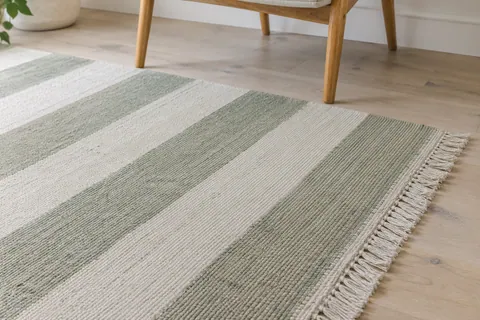
A hallway runner and a large area rug are different items, even with similar fabric. Describe the whole shape and how it is used. Ask about a suitable cleaning quote for Bermondsey.
Measure the entire item, not just the visible section between furniture. Explain any fold or concealed edge without trying to pull a heavy rug free. A circular piece needs its diameter; an irregular shape needs a description and overall photograph. Record the units and whether fringe is included. These details describe a loose textile, while a room’s floor area describes a different cleaning job.
For the carpet fixed on a landing or stairs, read information about carpet work. A runner laid over that floor still needs its own fabric, backing and condition discussion.
Explain where corners curl, binding thins or fringe has been caught. Show the perimeter as well as the busiest part of the pile. A dark edge can be soiled, worn or changed in colour; avoid promising yourself that cleaning will correct every difference. Ask what edge work is suitable and included. Missing threads or open stitching are repair issues, not something a stronger product automatically fixes.
A wool runner and a wool area rug can have different pile, dyes and backing. Share labels, blend details and earlier cleaning information. Mention changes in size or texture rather than treating wool content as a universal method instruction.
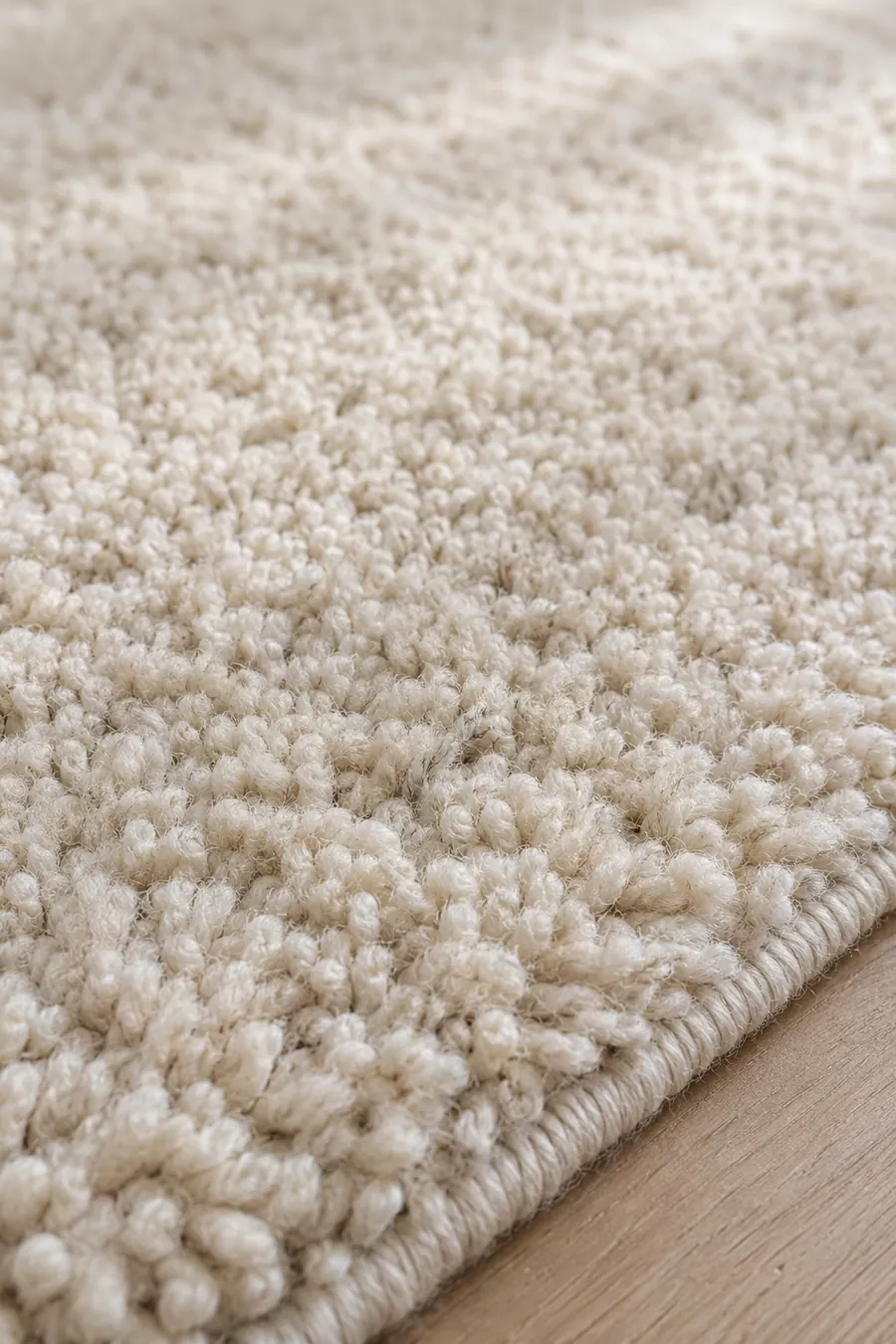
Give a reliable composition if available. A synthetic face may have grip coatings or backing with other care restrictions. Include finishes and earlier home products, and do not choose a process just because the surface seems hard-wearing.
Flat cotton and mixed-fibre items need their care guidance checked. Small size is not proof of domestic machine washability. For fine, silk, antique or valuable textiles, discuss suitability before booking; ordinary cleaning does not establish restoration or repair services.
For a runner, describe where each patch sits so it can be matched to the photographs. Give the likely cause, approximate age and any products used. Mention pet accidents, repetition and effects beneath the pile. Suitable cleaning may still leave stains or smells. If seating is affected too, describe it through a separate sofa enquiry rather than adding it to the rug as an assumed extra.

If an accessible corner can safely be lifted, show the reverse and label. Explain rubbery coatings, loose layers, cracking or tackiness. Do not scrape or peel material to investigate. State whether a separate underlay is used and what floor lies beneath. Leave heavy or awkward pieces where they are until handling is discussed. Work on the textile does not repair its reverse or automatically cover the floor.
A runner’s centre can look different from the edges because of wear, fading or dirt. Say what you have noticed and whether earlier moisture or products changed a colour. Show a wider view as well as the detail. Ask how dye sensitivity affects proposed work without trying a home wet test. Cleaning cannot promise to reverse bleaching, restore missing dye or make wear disappear.
The company has extraction and dry or delicate categories in its carpet and upholstery information. Those categories do not confirm one process for all loose rugs. Discuss the proposed treatment for this construction and the realistic scope for marks, edges and reverse. Confirm where work will happen and the handling arrangements, including whether collection or delivery is available and covered for your actual item and address.
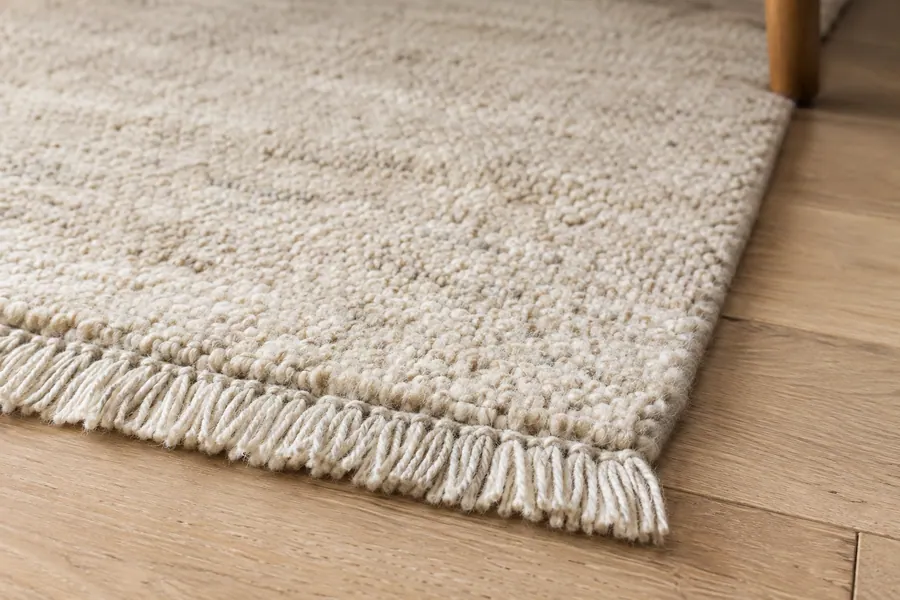
Remove shoes and other loose belongings and explain furniture touching the item. Keep measurements, label details and earlier product information ready. Ask about movement before lifting heavy furniture or rolling a long runner. A hallway or wider room may need other tasks; routine cleaning for the home can be discussed separately instead of assuming shelves and surrounding floors belong in the rug quotation.
Rug rates vary according to type and condition. A long narrow shape alone is not a complete price calculation. Provide fabric, backing, edge and stain information, then ask which work and handling the total covers. Check any applicable extra charges before booking and discuss optional treatments separately. Carpet-room amounts and furniture prices are not rates for a loose runner or area rug.
Include the preferred date and address information alongside the item description. Mention steps, entry arrangements or access difficulties relevant to the handling being discussed. Availability needs confirming for the actual property. Nearby links are information for another enquiry, not evidence of an appointment, local office or identical cleaning arrangements throughout the surrounding areas.
No numerical rate should be borrowed from fitted flooring. Give the runner’s size, fabric and condition and ask for its item quote.
Give an overall image and the main dimensions in clear units. Explain the shape and mark any uncertain measurements rather than guessing its total area.
Wear and fading are different from removable dirt. Describe the strip and earlier treatment, then discuss realistic cleaning limits.
Include it. A pile description alone does not explain the reverse, and a coating can affect suitability or handling.
Confirm handling first, particularly if it is awkward or under furniture. Rolling is not automatically required for the initial enquiry.
Describe the other surfaces as separate tasks. A loose rug quote does not automatically cover the fixed floor or general room cleaning.
Call with the dimensions, fabric details and Bermondsey postcode. Discuss appropriate work and handling for your loose rug.
Generated photographs illustrate rug materials and handling. They are not photographs of actual staff or customer projects.