
Wool and blends
Include reliable composition and care information. The wool content needs considering alongside dyes, backing and earlier changes in size or texture. A soft pile in a picture is not proof of a fibre or a suitable process.


A close-up shows a mark; a wider view shows the item it belongs to. Include the label and accessible details without moving heavy furniture. Ask about rug cleaning in Cricklewood.
Start with the whole outline and add a label photograph, a detail of each concern and an accessible underside view. Keep enough context to identify where a mark sits. State the size in clear units and whether fringe is included. Several photographs of the same dark patch do not replace composition or construction information. If an area cannot safely be shown, explain why rather than forcing access.
A fixed floor needs a separate description through our carpet cleaning information. A loose rug photograph should not stand in for the entire carpeted room.

Lift only a light corner that can safely be handled. Show the label without peeling coatings or separating layers. Mention visible cracking, stiffness, tackiness or loose material and identify a separate pad. Leave heavy items and difficult furniture in place. The supporting floor is another surface; rug cleaning does not automatically include that floor, every underlay or repair of construction visible in the photograph.
Include reliable composition and care information. The wool content needs considering alongside dyes, backing and earlier changes in size or texture. A soft pile in a picture is not proof of a fibre or a suitable process.
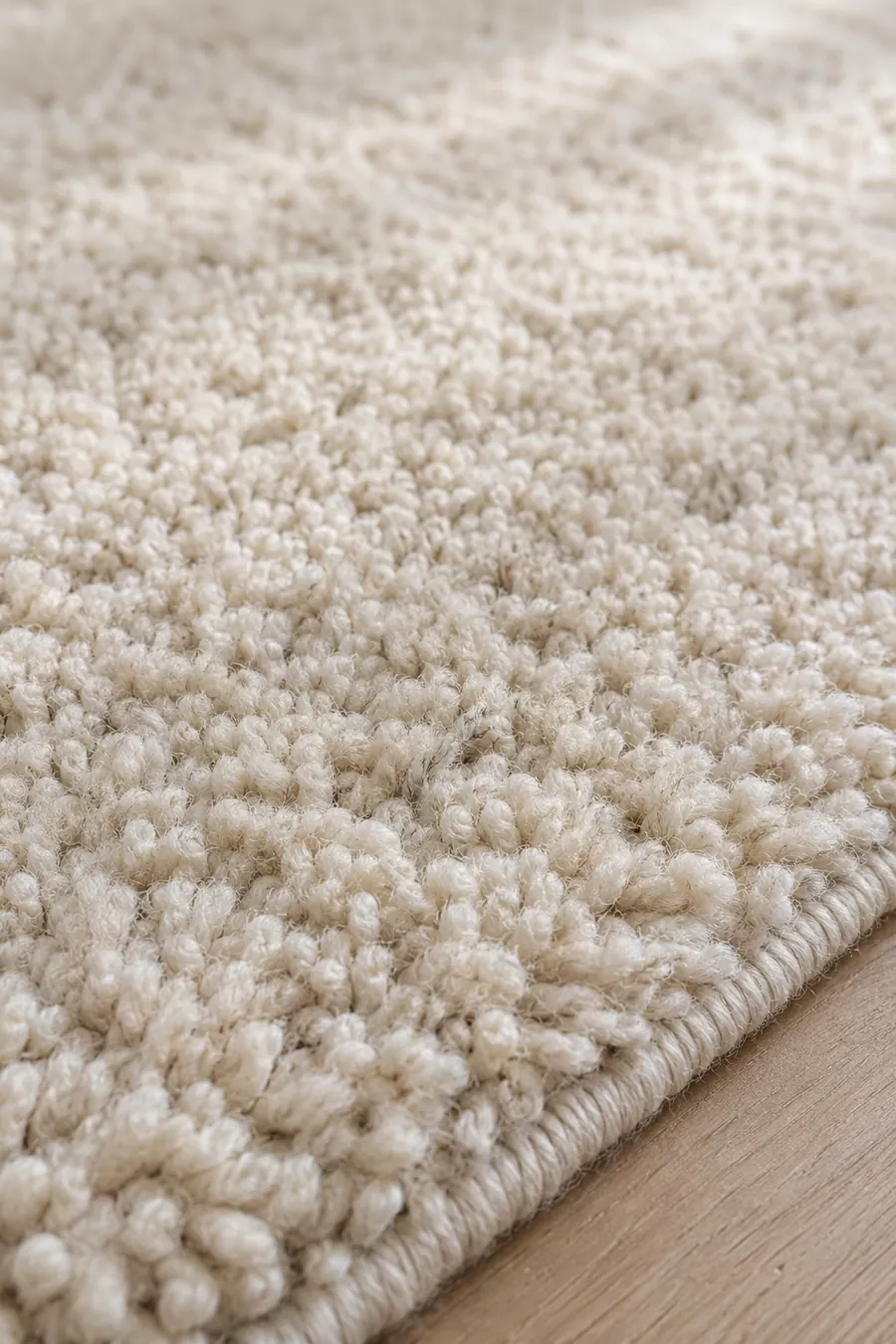
Use labels or purchase notes where available and distinguish guesses from known information. Include finishes and coatings separately. A synthetic face can have trim or backing with different restrictions, even if the surface looks straightforward.
Show guidance for cotton, mixed and fine construction rather than judging by thickness. Small size does not prove machine washability. Explain valuable, silk or antique concerns before booking; an ornate photograph does not confirm restoration or repair services.
Photograph fringe, binding, worn corners and old repairs rather than cropping them away. Include a sound section for context around a damaged part. Say if trim differs in colour or material from the centre. Ask what appropriate edge work is included. Do not cut or tug loose strands to create a tidier image; missing threads and open seams remain construction concerns, not soil-removal promises.
An image of a pale area needs an explanation of when it appeared and any products or moisture involved. Show its position in the wider design. Ask how colour sensitivity affects suitable work, including differing trims. Do not conduct a wet test to create extra evidence. Cleaning cannot guarantee to restore missing dye, reverse bleaching or undo an earlier colour run.
Give the likely cause and approximate age of a mark, and list earlier sprays, soaking or scrubbing. Describe repeated pet incidents and any concerns on the reverse or pad. Photographs alone cannot promise a result; some stains and odours remain after appropriate work. For marked chairs, add separate information through a furniture cleaning enquiry, with the item’s own label and condition.
Ask which process is proposed for the actual fabric, construction and treatment history. Extraction and dry or delicate categories appear in carpet and upholstery information, not as universal instructions for rugs. Confirm the scope, limits, place of treatment and handling. Discuss collection or delivery for this item and address. No photograph establishes automatic transport inclusion, a workshop arrangement or a confirmed at-home visit.

Clear small belongings from the rug, keep labels and earlier product details available, and describe furniture touching it. Ask about movement before rolling an awkward piece or lifting something heavy. Measurements may be approximate initially if marked as such. For wider room tasks, see a separate domestic deep clean; a rug enquiry does not silently include shelves, skirting or surrounding floors.
Rug rates vary by type and condition. Send dimensions, composition, reverse details and requested tasks alongside the views. Confirm the full amount, included work, handling and any applicable additional charges. Ask about optional treatments separately. Carpet-room rates and sofa prices describe other items, so neither should be used as the numerical cost for the loose rug in your pictures.
Provide the actual address postcode, preferred date and relevant entry or access details. Availability and suitable handling need confirming for that property. Explain if the item is kept elsewhere or another person will provide entry. Nearby pages can help with enquiries in surrounding areas, without establishing the same appointment or arrangements for every address.
Add an overall view, size and care information. A close-up does not explain the construction or where the affected part sits.
Explain the access restriction instead. Do not lift heavy furniture or force an awkward item merely to prepare an enquiry.
Provide labels or reliable records where possible. Identify uncertainty rather than assuming appearance proves composition or suitable treatment.
It gives context for the construction around a damaged area. Show both where safely accessible rather than only a tight damage crop.
Explain approximate timing, recurrence, previous products and concerns underneath. A visible patch alone does not show every affected layer.
No. They help describe suitable work and limits. Stain, odour and colour outcomes should not be guaranteed from images alone.
Call with photographs, dimensions and the Cricklewood postcode. Discuss suitable work, handling and the quoted scope.
Generated photographs illustrate rug materials and handling. They are not photographs of actual staff or customer projects.