
Wool
Share composition, blends and care restrictions from reliable information. Backing and dyes matter alongside the pile. Mention earlier size or texture changes and do not select a process merely because the rug is described as wool.


A rug coming out of storage needs its current condition described. Include care information, earlier treatment and any changes to the reverse or edges. Ask about suitable work in East Sheen.
Give the size, known fabric and care information, plus how long the rug has been stored if known. Mention folds, old marks and differences noticed since it was last used. Do not unroll a heavy or fragile piece alone just for photographs. Explain limited access and share earlier views where helpful. Storage history describes the condition; it does not establish a cleaning method, damage diagnosis or guaranteed remedy.
The fixed floor at its destination is another surface. See our fitted carpet service information if that also needs work, rather than including it silently in the loose item request.

If a light corner can safely be shown, photograph the underside and any label. Describe stiff, tacky, cracked or separating layers without scraping or peeling them. Identify any separate pad and whether it was stored with the rug. Leave awkward pieces in place until handling is discussed. Textile cleaning does not repair failing backing, replace another layer or automatically correct damage to a floor beneath it.
A folded corner, worn binding and loose fringe are not simply the same as dirt. Photograph accessible borders and old repairs, and explain any trim that differs in material or colour. Ask which edge work is appropriate and included. Do not pull threads, trim strands or force a weak fold flat to prepare the item. Cleaning cannot be assumed to replace fabric or secure opening seams.
Share composition, blends and care restrictions from reliable information. Backing and dyes matter alongside the pile. Mention earlier size or texture changes and do not select a process merely because the rug is described as wool.
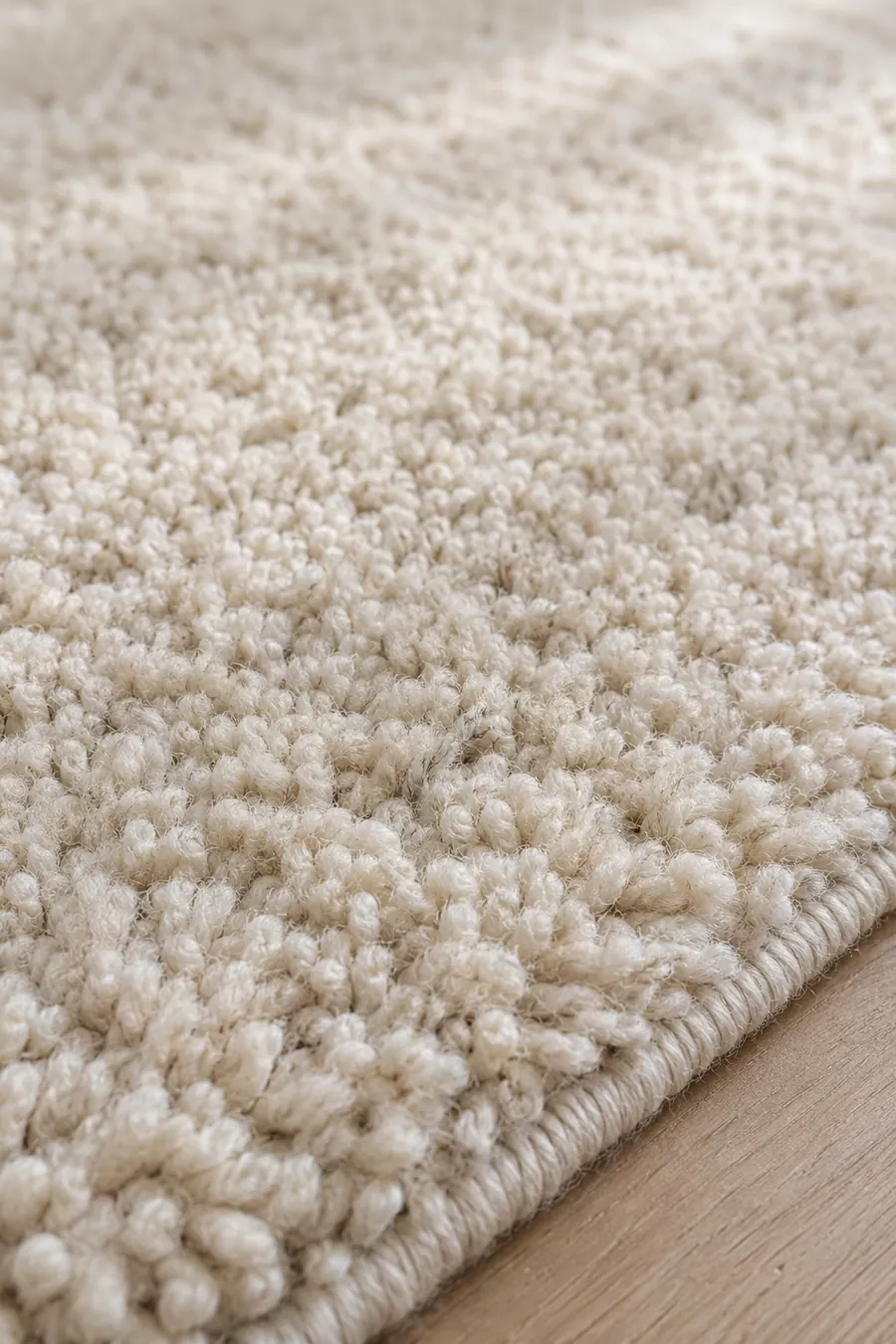
State known fibres, finishes and grip coatings. A synthetic face can have reverse layers with other needs. Earlier home products remain useful history, while a robust-looking surface does not establish compatibility with every cleaning approach.
Cotton, mixed fibres and fine weaving need their own care guidance considered. Thin fabric is not automatic machine washability. Explain antique, silk or value concerns before booking without assuming ordinary cleaning includes restoration, repair or conservation.
Show fading, colour transfer or pale areas and explain when they were noticed. Include any earlier products or moisture, even if the incident preceded storage. A wider view helps locate the change in the pattern. Ask how colour sensitivity influences suitable work. Do not conduct a home wet test; cleaning cannot promise to replace lost dye, reverse bleaching or recover every original shade.
Give the likely cause and approximate age, plus sprays, rubbing or soaking used previously. Identify uncertain details honestly. For pet incidents, describe repetition and concerns on the underside or pad. Suitable work can still leave staining or smell. A sofa stored or used nearby needs a separate fabric sofa enquiry, rather than borrowing the rug’s label or treatment history.
Extraction and dry or delicate options appear within carpet and upholstery information, but that does not confirm a process for every stored rug. Discuss the proposed approach, included parts and limits for this construction. Confirm the place of treatment and handling, with collection or delivery checked for the actual item and address. Do not assume a workshop, transport policy or at-home appointment from storage history.

Keep labels, photographs, measurements and previous treatment information ready. Clear small belongings and explain furniture or storage access. Ask about handling before rolling, lifting or taking an awkward piece to another room. Wider domestic tasks at its destination can be discussed through a one-off home clean; shelves and floor surfaces are not automatically part of the textile quotation.
Rug rates vary with type and condition. Provide dimensions, fabric, reverse and perimeter details alongside particular marks. Confirm the total, included scope, handling and any applicable extra charges. Optional treatments require explanation if proposed. Have any proposed extra explained before you agree; carpet-room and sofa prices do not supply a rate for this loose rug.
State your preferred date and relevant access or entry details. Explain if the storage address differs from the place the item will return to. Availability and appropriate handling need confirming for the actual arrangements. Nearby pages provide information for other enquiries, not proof of matching slots or identical processes throughout the surrounding areas.
Discuss handling first if it is awkward or fragile. Explain limited access and use safely available views rather than forcing movement.
No. Fabric, dyes, backing, condition and care restrictions need considering. Storage history is useful context rather than a process instruction.
Structural correction should not be guaranteed. Describe folds and any weak areas separately from removable soil before booking.
Yes. Give likely causes, approximate age and prior products where known. Say which details are known and which remain uncertain.
Follow guidance for the chosen work and construction. Do not tightly cover or roll a rug that still needs to dry.
Explain where the item is kept and the arrangements you need. Availability and handling should be checked for the actual locations involved.
Call with care details, condition and the East Sheen postcode. Discuss suitable work, handling and advice before use or storage.
Generated photographs illustrate rug materials and handling. They are not photographs of actual staff or customer projects.