Star Domestic Cleaners
Menu
LOOSE RUGS · HAMPTON

Rug Cleaning Hampton

A thin runner and a thick area rug can need different handling and aftercare. Describe your item and its care information. We can discuss appropriate work and the arrangements for your Hampton address.

  • Shape and size described
  • Edges and base included
  • Aftercare questions answered

Identify the shape and construction.

Give length and width for a rectangular rug, or the diameter for a circular one. Mention unusual shapes and whether measurements include fringe. If you have several runners, describe each separately. A flatweave and a deep-pile area rug can differ even when their surface area is similar. An overall photograph helps explain those differences without requiring heavy furniture to be moved.

For a hallway’s installed floor, see information for fitted carpets. A runner placed over it should have its own description, including its underside and edge condition. Do not assume one floor quotation includes every loose item.

Thinness is not a washing instruction.

Cotton and mixed flatweaves

A cotton label can identify only part of a mixed fabric. Share fibre details and care restrictions, especially for coloured threads, trims and bonded layers. Do not put a thin rug in a washing machine simply because it can be folded. Silk or valuable pieces need suitability discussed separately.
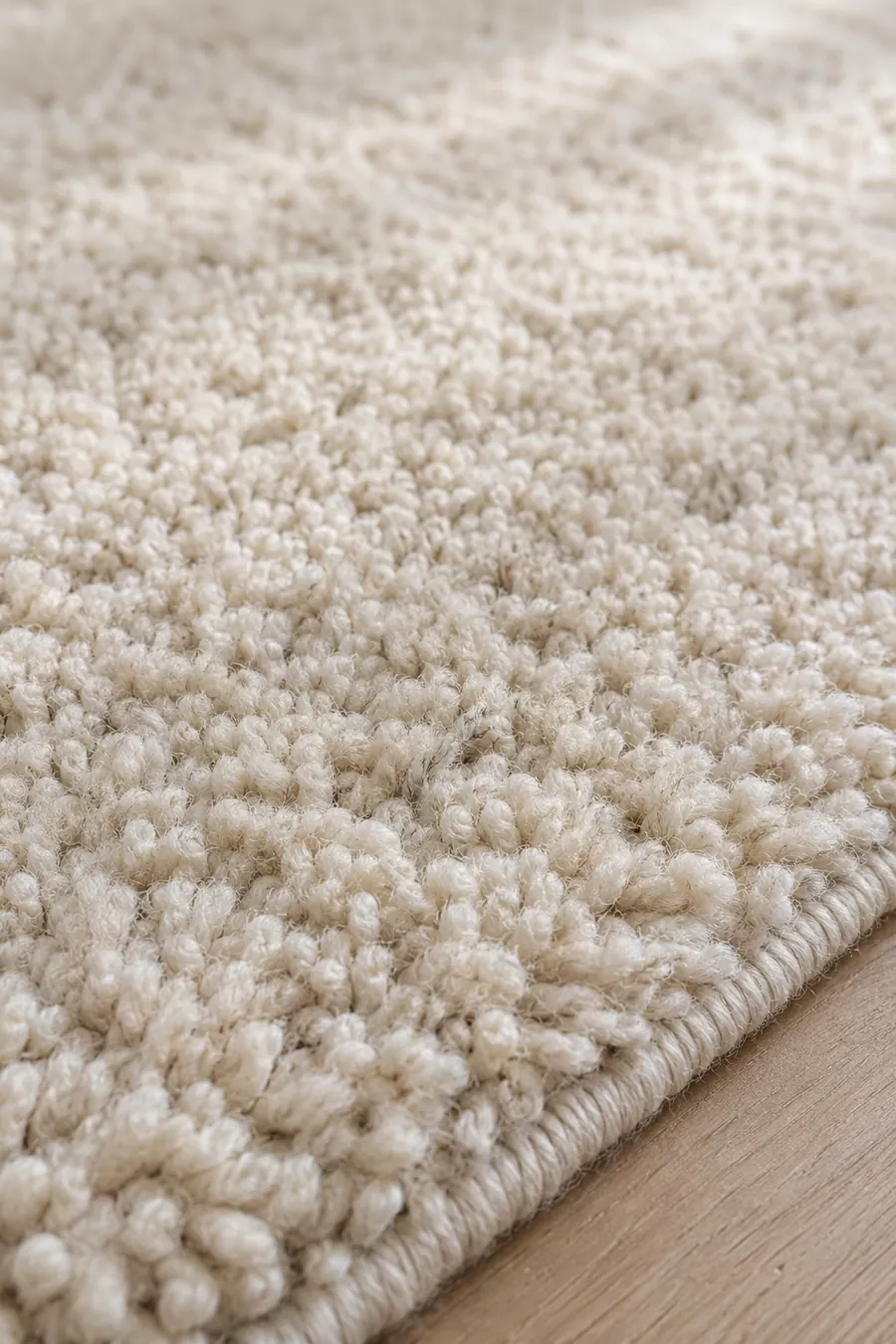
Close detail of short wool rug tufts

Wool rugs

Wool can be used in woven runners and thicker piles with different bases. Give blend details and maker guidance if available. Describe texture changes after previous cleaning. A wool label alone does not establish a safe process for its colours or construction.

Synthetic pile

The backing and bound edge may differ from a synthetic face. Keep instructions available and mention any coating which is stiff, loose or deteriorating. Hard-wearing appearance should not be used as a guarantee that every treatment is appropriate.

Long runners can have several separate edge concerns.

Look at accessible borders for fraying, loose binding and tassels caught beneath furniture. Give close photographs alongside a full view so the affected position is clear. Ask what suitable fringe and edge cleaning can be included. Missing fibres and separated seams need a repair discussion rather than a stronger clean; avoid trimming threads before the enquiry.

A person lifting a rug corner to look at its backing

Describe the floor and any separate mat.

Say what surface the rug rests on and whether an anti-slip mat sits beneath it. If a corner is safely accessible, photograph the base and label without pulling layers apart. Mention stiffness, crumbling or separation. Cleaning a rug is not automatically treatment for the mat, the floor or a failing coating beneath the pile.

Plan the return to a walkway.

Ask when the actual rug can be used, covered or returned to position after the proposed work. A thin top does not tell you whether a backing or trim is ready. Fibres, construction, treatment and conditions influence the advice. Avoid rolling or storing the item while further drying is required.

If the rug normally covers a sensitive floor, mention that before booking. Discuss returning furniture and keeping the item out of normal use as advised. There is no single drying interval which can be applied to every runner or large rug.

Describe traffic marks as well as individual incidents.

A well-used strip can combine soil, worn fibres and flattened pile. Say which change concerns you and identify known spills separately. For drinks or food, give the likely cause, age and previous treatment. Cleaning may address dirt, but it cannot replace worn material or guarantee that every stain disappears.

Pet incidents may affect underside layers as well as the face. Mention repeated spots and previous products. If a fabric seat also needs attention, sofa cleaning advice helps describe that separate item rather than adding it to a runner quote without discussion.

Photograph changes along patterned areas.

Existing fading and dye transfer need identifying before treatment. Explain any pale patch caused by a home product, and show neighbouring colours in an overall view. Ask how sensitivity will be considered for the proposed work. Avoid soaking a corner to test it yourself; that can change the condition without establishing suitability for the whole piece.

Agree what process is appropriate.

Describe the fibres, base and condition first, then ask about suitable treatment. The company’s carpet and upholstery categories include extraction and dry cleaning, but those headings do not establish which approach a loose rug needs. Ask what the work can realistically address and what limitations apply to fragile areas or unknown materials.

Clarify the treatment location and handling arrangements, including any collection and return. Check what is included for your item and address rather than assuming either an at-home service or automatic transport. Cleaning should remain distinct from repairs and restoration.

Cleaner checking a small mark on a loose rug with a cloth

Clear the rug without creating a lifting task.

Remove small belongings where easy to reach and describe furniture which restricts movement. Keep dimensions, care information and treatment history available. Ask before rolling a long runner or lifting heavy items. For the rest of the home, routine household cleaning is a separate service with its own agreed tasks.

Quote the pieces individually.

Rug rates vary with type and condition. Give each item’s dimensions and material information rather than combining several runners into a room size. Identify fringe or stain work wanted, and confirm the total and applicable handling or extra charges. A fitted carpet rate should not be used to calculate a rug quote.

Check the Hampton address and practical arrangements.

Call with the postcode, preferred date and entry details. Mention a difficult route or furniture restrictions where relevant to moving the item. Availability, suitability and handling need agreement for the booking. A nearby information page does not confirm that a collection route or appointment is already available.

Rug care questions for Hampton

How should I measure a circular rug?

Give its diameter and note any fringe or irregular edge. Explain if furniture prevents a complete measurement.

Can a flatweave go in the washing machine?

Follow its care information. Thinness or foldability does not establish machine-washing suitability for dyes, trims or mixed fibres.

Is wear along a runner removable?

Wear and flattened pile are not the same as dirt. Describe them without expecting cleaning to replace missing fibres.

Do you need details of an anti-slip mat?

Yes, identify it separately and ask which work can be included. It may have different materials from the rug.

When can I put the runner back in a hallway?

Discuss aftercare for the specific treatment and whole item, including the underside. Do not use a universal drying estimate.

Can several rugs have different methods?

They may have different care needs. Describe each item and ask which work is suitable rather than assuming one approach for all.

Describe the runner or area rug.

Call with your Hampton postcode, dimensions and care information. Discuss suitable cleaning, aftercare and the full quote.

Generated photographs illustrate rug materials and handling. They are not photographs of actual staff or customer projects.