
Sofa Cleaning Hampstead
Velvet-like texture does not identify the fibre or its cleaning limits. Describe your Hampstead fabric sofa, share its care information and discuss what treatment is suitable.
- Pile and wear explained
- Care information available
- Method suitability discussed
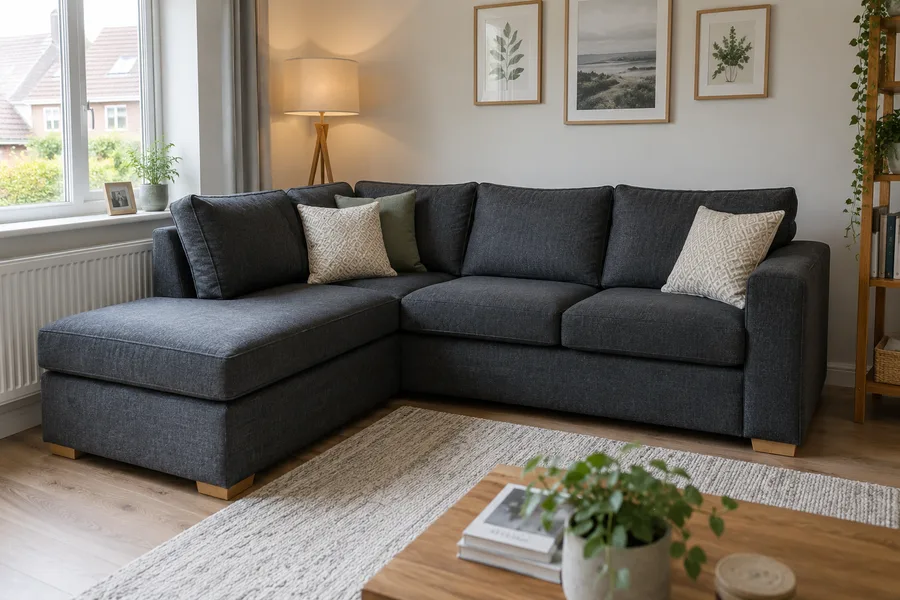
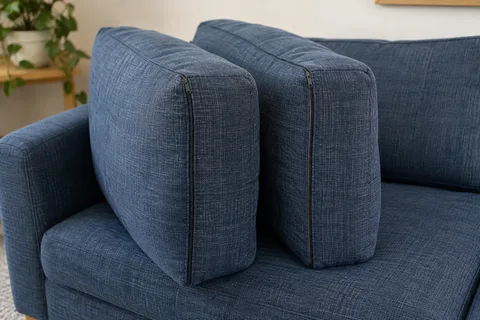
Find the care details for the pile fabric.
A sofa described as velvet may be made from different fibres and have a particular care instruction. Do not choose a cleaning method simply because another velvet sofa was cleaned that way. Keep the label and any manufacturer guidance available, and explain whether the material is the same on every panel and cushion.
Changes in the direction or feel of the pile can make a seat look darker without proving that it is dirty. Describe the change in ordinary terms and provide photographs from a normal view. If there was a spill, give that history too. Avoid brushing aggressively to make the appearance match before assessment.
Texture is a useful observation, not a fabric test.
Say whether the surface feels smooth, crushed or rough in a particular area. The fibre composition and care guidance are more useful than calling every soft pile velvet. Mention areas that have faded or worn, especially where people regularly rest their hands. A mixed fabric furniture list belongs with wider upholstery care.

Discuss the delicate-material option where appropriate.
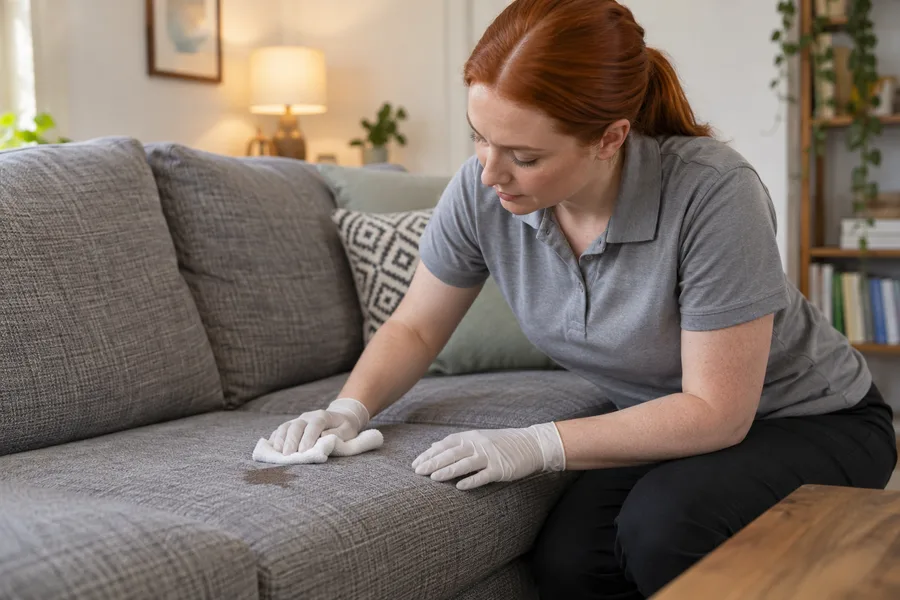
Dry cleaning for delicates is one of the listed approaches, but the fabric still needs a suitability discussion. It is not a promise that every velvet-like cover can be treated. Ask about the proposed work for your material and its existing pile changes. For flooring, describe the carpet as a separate item.
Hot water extraction is also offered for suitable fabrics. Discuss the actual velvet material and current condition before deciding between the available approaches.
Account for contrasting cushion faces.
A seat may have pile on top and another fabric underneath. Explain that contrast and which surfaces you want considered. Leave removable covers in place until the care arrangements are clear; a working zip does not turn the fabric into a machine-washable item. Household upkeep can be arranged through regular domestic visits.
Give the stain history without further rubbing.
Food, a drink spill and a shiny arm caused by use are not interchangeable concerns. Describe the known event and any products applied. If the cause is uncertain, say so. Do not attempt a stronger home treatment to prove the mark will respond.
Patterned pile and separate decorative pieces.
If the sofa has a patterned pile, describe the material information separately from the pattern. A light or dark motif can make a mark harder to see in a photograph, but it does not tell you what process is appropriate. Use a clear image in ordinary room light if requested. Do not wet the patch or apply a product to make it stand out for the camera.
Consider which loose pieces actually belong to the sofa. Decorative cushions bought from another shop may have their own delicate cover and filling, even when they match the colour scheme. Name them separately, share their labels where available and ask about their inclusion. The fabric guidance for the main sofa cannot automatically be applied to everything sitting on it. This matters especially when requesting a whole-room group of soft furnishings.
Keep pile fabric free of clutter during the visit.
Remove decorative cushions you have not requested, throws and personal items. Identify the pieces that are on the quote. Explain the sofa position and access to its sides; do not move or fold it in a way that strains the frame or cover.
Aftercare needs to suit the cover.
Ask when the treated seat can be used and what cushion positioning is appropriate. A dry-cleaning description is not a universal immediate-use promise. Do not cover the surface or try a heater-based shortcut without suitable guidance for the actual fabric.
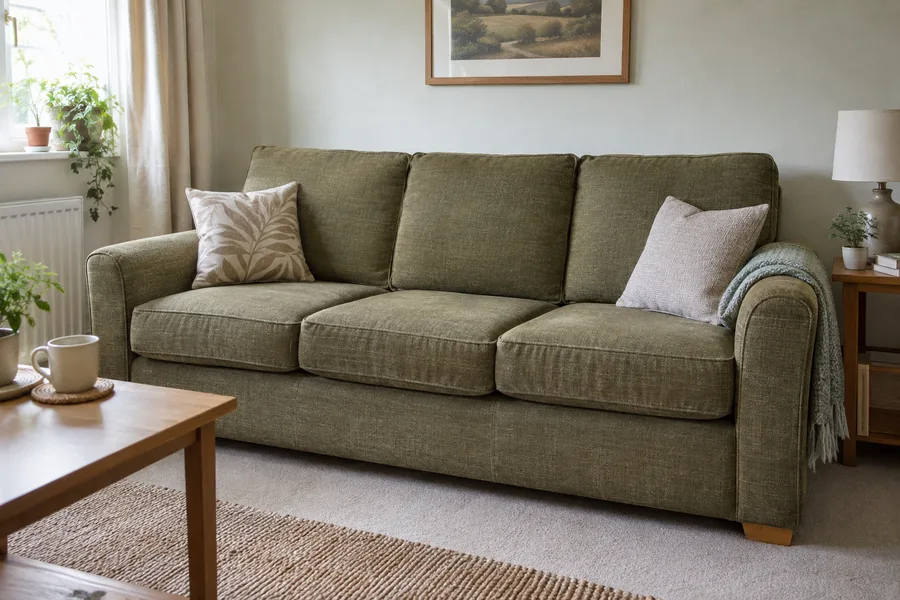
The fabric discussion belongs in the quote.
Compare the two treatment columns below as starting information, not as a choice based only on the cheaper figure. Describe the seats, condition and cushions first. Ask which option is suitable and the complete price for that agreed scope.
| Sofa | Hot water extraction | Dry / delicates |
|---|---|---|
| Two-seater | £36 | £42 |
| Three-seater | £102 | £114 |
Starting figures depend on size, condition, area and availability. Applicable congestion charges are extra. Ask for the total for your sofa and the method suitable for its fabric.
Share the Hampstead address and the care notes.
Give the postcode and practical entry details when asking for a date. If the care paperwork is with someone else, obtain it before the treatment discussion. Availability at the address and suitability for the cover are separate matters to confirm.
Questions about velvet-like fabric
Is all velvet dry cleaned?
Velvet covers can be made from different fibres. Share the care instructions and present condition so the appropriate treatment can be discussed.
Can a crushed-looking patch be treated as a stain?
Explain its appearance and history. A change in pile or wear is different from removable soil and may remain after cleaning.
Should I brush the seat before the appointment?
Do not add a new treatment to investigate the mark. Mention any brushing already done and keep the manufacturer’s guidance available.
Does the cheaper price column mean the method is suitable?
Suitability comes first. Compare the starting prices after discussing which approach suits the actual cover.
Are contrasting cushion backs a problem?
They are relevant details. State the materials you know and ask which faces can be included in the proposed work.
Can faded velvet regain its original shade?
Do not expect cleaning to replace lost colour. Describe the fading separately from spills and general use marks.
Start with the velvet care information.
Share the label or manufacturer guidance, the pile changes and requested cushion faces. Call to discuss what is suitable for the material and the complete cost of the agreed fabric work.
Generated photographs illustrate sofas and cleaning situations. They are not actual staff or customer-job photographs.