
Sofa Cleaning Notting Hill
If the sofa has been re-covered, describe the material on it now. Share the available information for your Notting Hill item and agree the surfaces and cushions you want treated.
- Replacement material identified
- Current labels shared
- Requested surfaces quoted

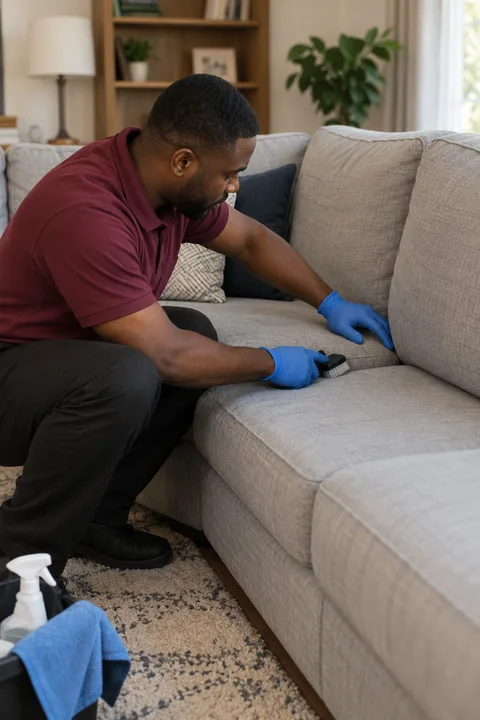
Describe the current replacement cover.
Re-covering can change the cleaning information without changing the furniture’s familiar shape. Tell us which parts were replaced and whether the seats, arms and back all use the new material. An old model label may still be attached beneath the frame, so explain what it describes instead of treating it as the current cover’s care instruction.
Keep any information supplied with the replacement textile available. If only one cushion was renewed, identify that piece and any visible difference. Give the sofa dimensions and requested faces, with photos where useful. A replacement cover is not proof of washing suitability or permission to use the same process as before the re-covering.
Identify original and replacement materials.
Say which panels still have the old textile and which have changed. If that history is uncertain, keep the uncertainty explicit. Do not infer matching fibre content from a similar colour or weave. The cleaner needs current care information to discuss suitable fabric work. For separate re-covered chairs, use the broader fabric-furniture enquiry.

A replaced seat may have another care requirement.
List it separately from the remaining seats and explain the reverse face. Include loose backs and decorative pieces you want quoted. Keep covers in place until appropriate arrangements are clear; check the actual care instructions even when the replacement cover has a working zip. The floor has its own care under carpet cleaning.
Discuss treatment for the current sofa.
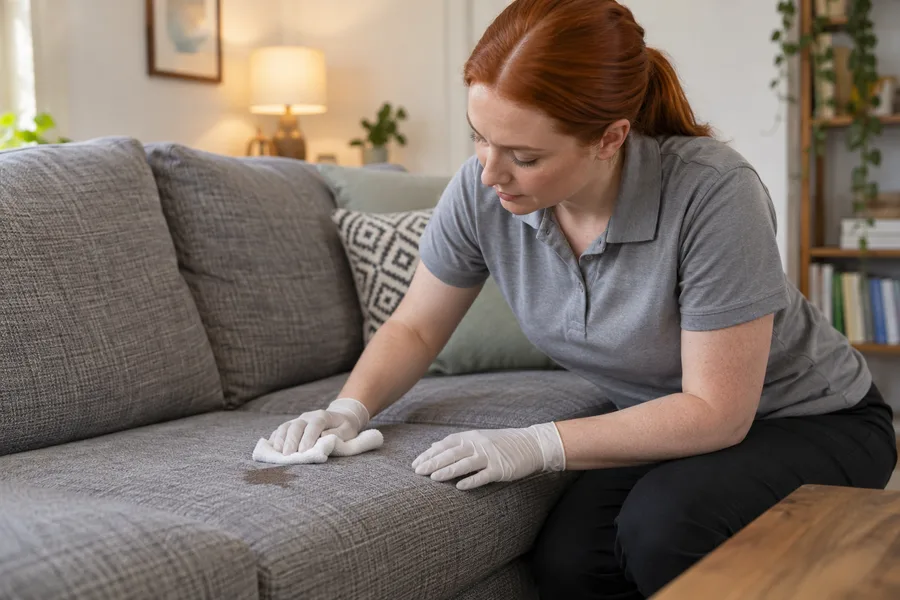
We offer hot water extraction and dry cleaning for delicates. Ask what suits the material fitted now and its condition. A method used successfully on the original cover should not automatically be applied to a replacement textile or contrasting panel without the current care discussion. General room work can be discussed through one-off domestic visits.
Keep the stain history attached to the right cover.
State whether an incident affected the original fabric or happened after replacement. Describe prior products on the current textile. Keep cleaning of the original cover separate from the newer surface’s own history, and a mark left on a replaced piece should not be guessed from memory.
Partial replacements and marks on the new textile.
A partial replacement can leave more than one care history on the sofa. The frame may be old, the seats newer and a decorative cushion unrelated to either. Describe each requested part and the information you have. This does not require technical textile language; the aim is simply to stop an original label or familiar furniture name being mistaken for guidance on every surface now present.
When discussing marks, locate them on the current pieces rather than referring only to the furniture’s age. A recent cover may have had a separate spill or product attempt from the older arm. Keep that history clear and ask about realistic treatment limits. A replacement cover can still show stains, and cleaning does not guarantee that old and new panels will become visually identical.
Have the updated paperwork ready at the property.
If an upholsterer supplied care information, keep it available for the enquiry and whoever receives the visit. Clear throws and possessions from the seating. Explain access around the frame without moving heavy pieces or undoing fitted covers just to display labels.
Ask for aftercare for the material now fitted.
Do not rely on the drying experience of the original cover. The replacement textile and filling arrangement may change what is appropriate. Arrange other seating and follow guidance before using the sofa, putting cushions back or covering the treated surface with a throw.
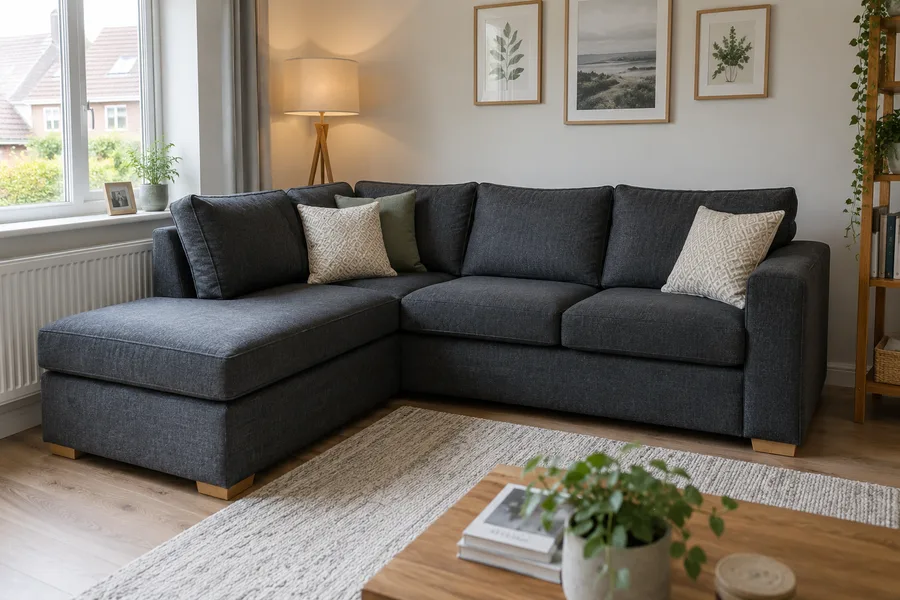
Describe the replacement work within the item quote.
Use the sofa size table as starting information, then explain current fabric, configuration and requested pieces. Ask for the total and suitable method. Describe the current fabric and marks when asking for the total. Re-covering alone does not tell you which stains can be addressed.
| Sofa | Hot water extraction | Dry / delicates |
|---|---|---|
| Two-seater | £36 | £42 |
| Three-seater | £102 | £114 |
Starting figures depend on size, condition, area and availability. Applicable congestion charges are extra. Ask for the total for your sofa and the method suitable for its fabric.
Confirm the Notting Hill address and care details.
Give the postcode, room access and preferred date. If someone else is home, share the replacement history and the requested item list with them. Availability should be checked after the sofa enquiry is clear rather than assumed from a furniture model or nearby service link.
Questions about replacement fabric
Can I use the old underside label?
Explain that it may describe the original cover. Share information for the replacement material wherever available.
Does a new cover mean it is washable?
No. Current manufacturer or fabric care guidance still matters, even if the piece has a zip and can be removed.
Should the previously used method be repeated?
Do not assume it suits the replacement textile. Discuss the current material and condition before selecting an approach.
What if only one seat was re-covered?
Identify that cushion separately and describe its faces. The remaining sofa may have a different cover and history.
Can old product history be ignored after replacement?
Give the relevant history for the material being treated now. Clarify which incidents belonged to the old cover and which affected the current one.
Will the new fabric dry like the old cover?
Do not rely on that. Follow the guidance for the current treatment, material and cushions.
Enquire about the cover fitted now.
Share the replacement-material information and identify the panels changed. Ask about appropriate work for the current sofa, with cushion faces and present marks included clearly in the quote request.
Generated photographs illustrate sofas and cleaning situations. They are not actual staff or customer-job photographs.