Star Domestic Cleaners
Menu
Fabric sofa with removable seat cushions in a UK lounge
DESCRIBE THE CONDITION AFTER STORAGE · ENFIELD

Upholstery Cleaning Enfield

If a sofa or chair is returning from storage, explain that when asking about upholstery cleaning in Enfield. Show its current condition and share the care information and known history. We can discuss suitable treatment, realistic improvement and practical aftercare before the furniture enters its next household routine.

  • Current condition recorded
  • Storage history explained
  • Next use planned
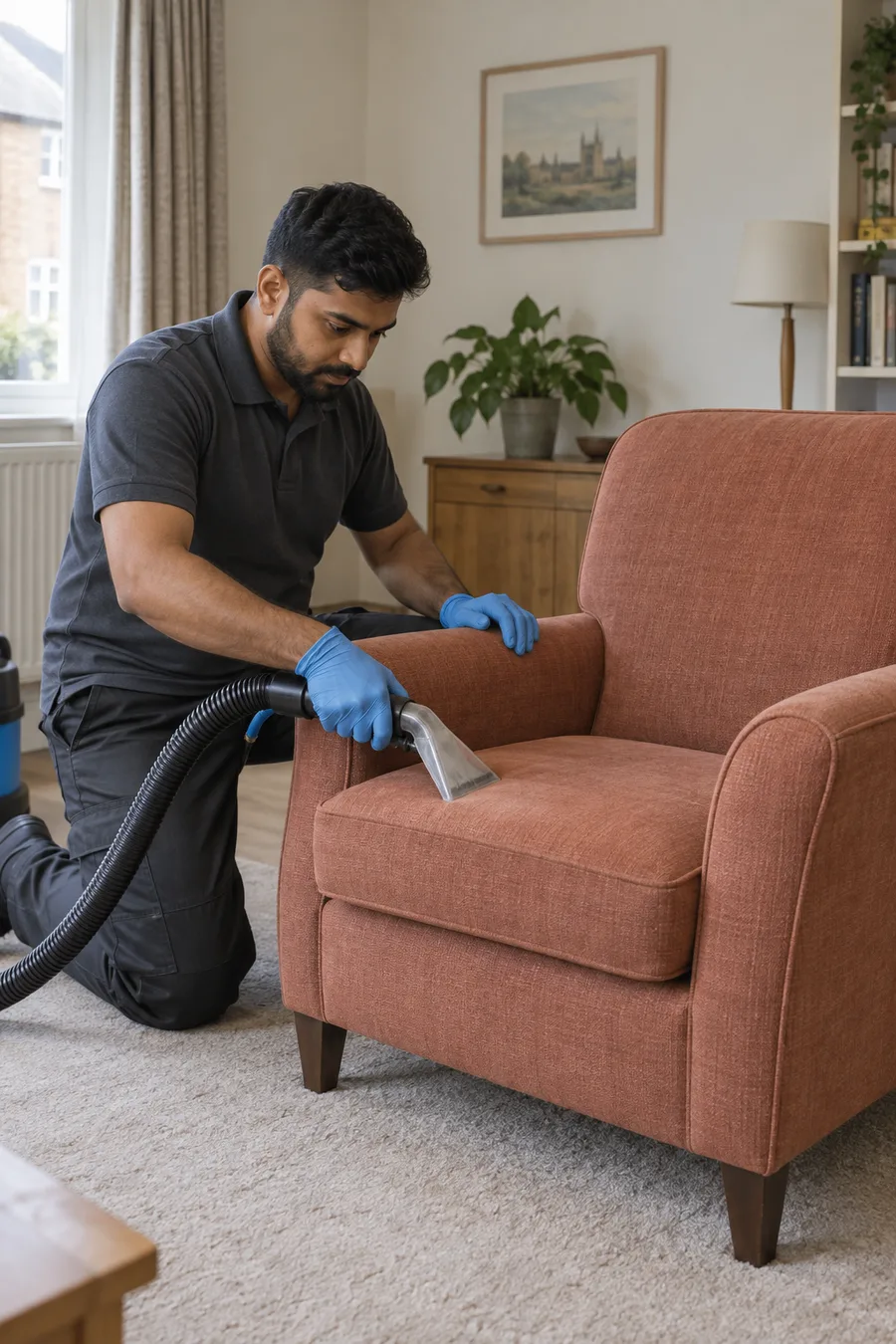
Technician treating the seat of a fabric armchair
Close view of woven upholstery fabric on a sofa

Inspect the piece before setting it up for daily use

Give whole-furniture photographs and close views of concerns revealed when coverings were removed. Explain what you know about its storage and earlier care, with uncertainty clear where records are missing. List the sofa or chairs requested, dimensions and surfaces you want considered. Returning furniture to use is a reason to enquire, but it does not identify the material or establish a particular method by itself.

Locate the visible marks across the piece

Point out arms, seat fronts, back panels and cushions separately. Describe general soiling, individual spots and changes in texture or colour. Mention wear or damaged stitching independently from dirt. Some soiling may be treated while fading or damage remain. Give realistic priorities for the actual sofa rather than expecting cleaning to reverse every appearance change found after a period out of use.

A fabric sofa in a naturally lit UK living room

Bring the care information you have

Share labels or manufacturer’s guidance readily available, including moisture or product restrictions. Mention mixed panels, trim and different cushion undersides. Say when composition is unknown and include earlier cleaning or protection where known. A storage covering or a matching chair cannot supply missing care information; suitability should consider the upholstery and current condition of the actual piece.

Explain known incidents and unknown marks separately

For food or drink marks with a known history, give the substance, age and products used afterwards. Say when a spot predates your knowledge of the furniture. Pet incidents or smell need their recurrence and extent explained separately. Avoid unfamiliar products or hard rubbing while advice is sought. Some staining or odour can remain, particularly with damage or filling concerns beyond the accessible fabric.

Count the loose pieces that will return to the room

Seats and backs

List loose cushions and distinguish fixed upholstery. Identify requested faces, including a different reverse or underside material. Confirm inclusions rather than treating every cushion face or internal filling as part of one furniture label. Explain any piece that was stored separately.

Seams and covers

Show soiling near folds or piping and mention damaged stitching. Leave unfamiliar covers and fastenings alone while preparation is discussed. Cleaning cannot mend fabric or establish a machine-washing method from a visible zip.

Consider treatment for the current material and condition

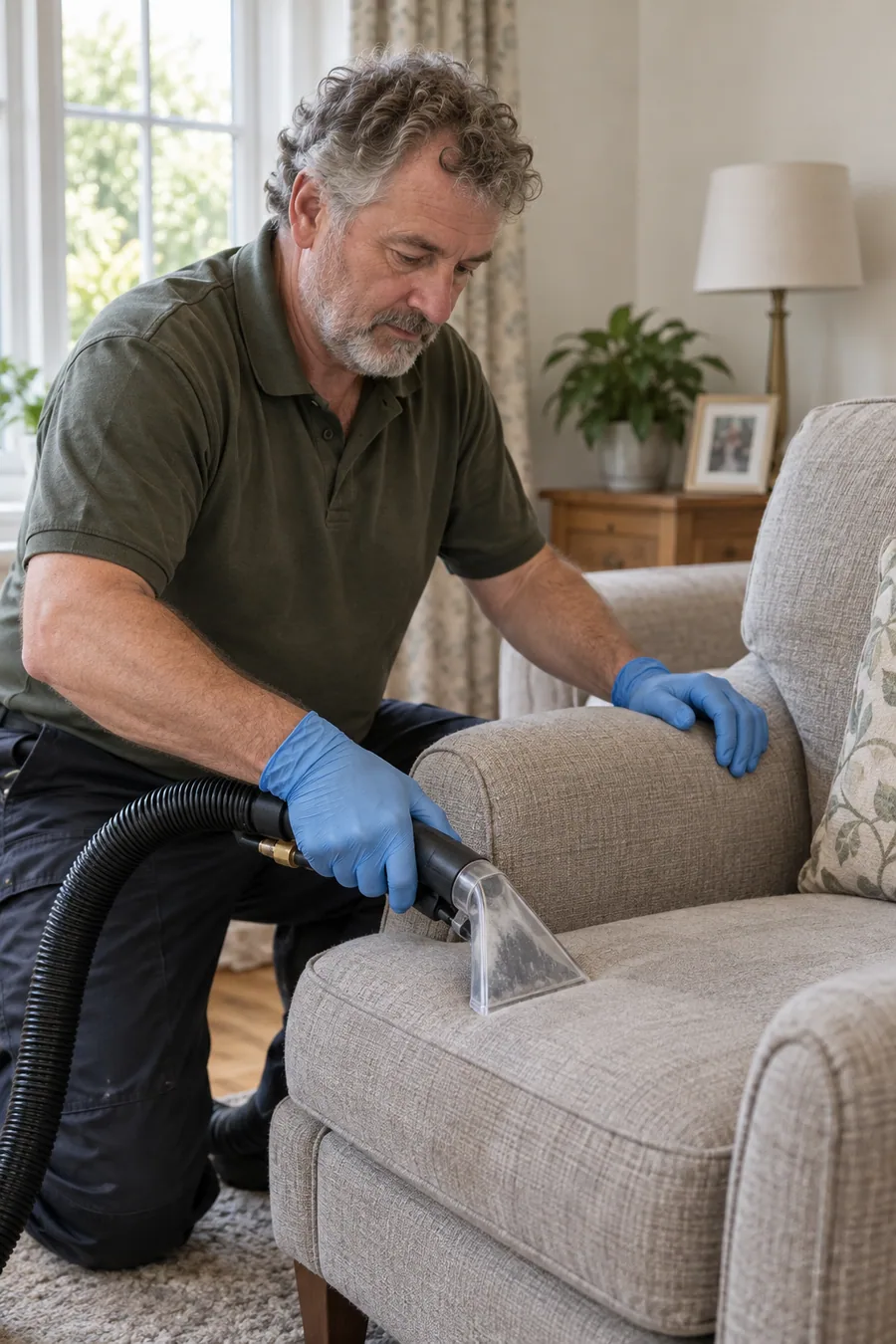
Cleaner treating a fabric armchair seat

Hot water extraction

Hot water extraction is available for suitable upholstery. Give the care guidance, present concerns and requested surfaces when discussing it. Include any earlier treatment information and ask what preparation and aftercare apply before the furniture returns to use.

Dry cleaning and delicates

We also offer dry cleaning, including delicate-material options. Ask whether it fits the identified fabrics and work. A period in storage does not decide the method or guarantee removal of every mark, so discuss realistic care for the actual pieces.

Give the chair its own account

If an armchair was stored with the sofa, describe its fabric and current condition separately. Locate concerns on arms, seat and back, including any loose cushion. The pieces may have different construction or earlier histories despite being kept together. Confirm the furniture list and requested surfaces so the quote and receiving person’s instructions reflect the actual work for each item.

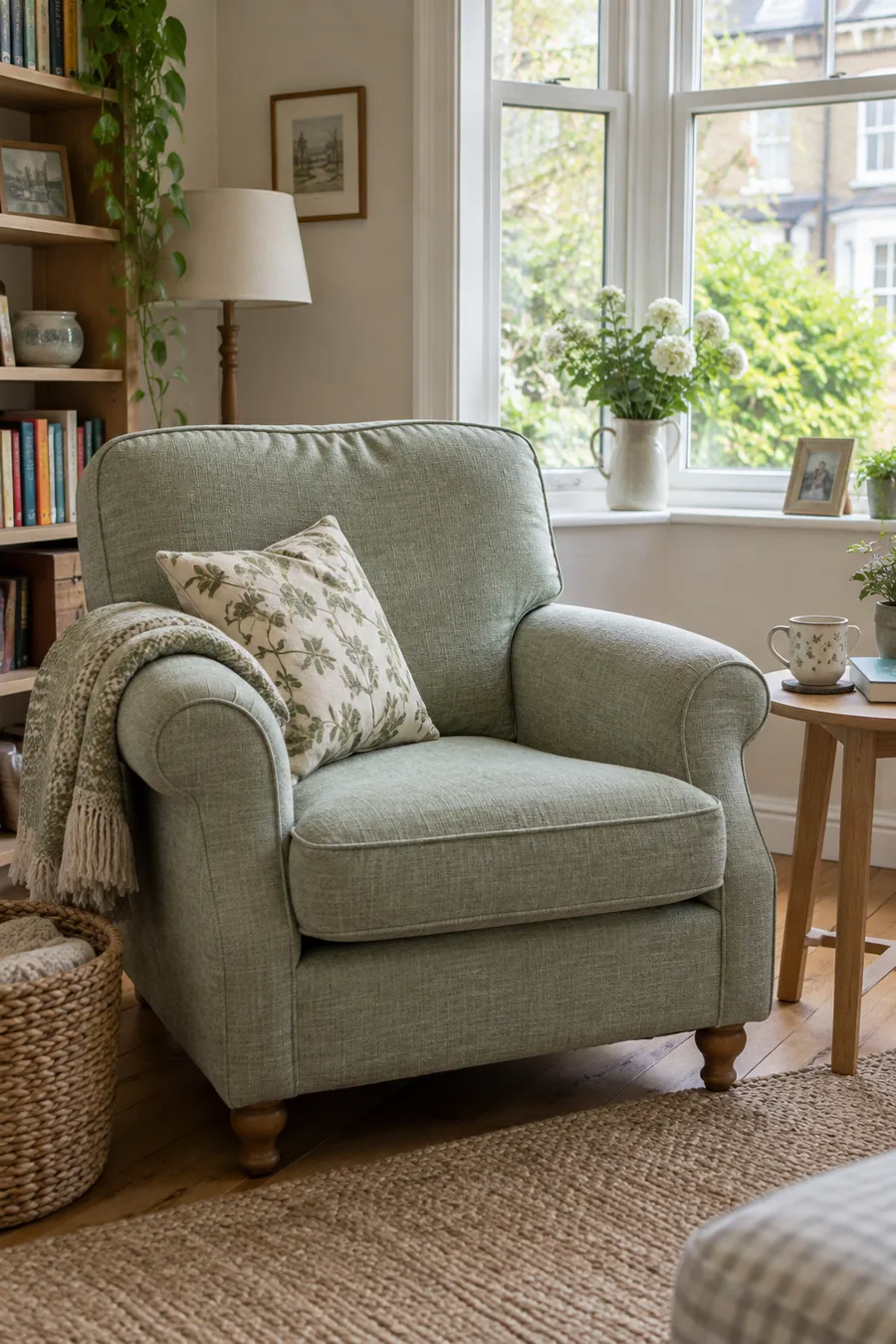
Textured fabric armchair in a UK sitting room

Explain where the furniture will be for the visit

Remove personal belongings and loose objects from the requested pieces and clear working routes. Say whether another move or delivery is planned and identify where treatment is being considered. Help with lightweight furniture is included; discuss heavier moving arrangements beforehand. Give the Enfield entry contact the care details and surface list, including stairs or restrictions relevant to equipment access, and ask what preparation is wanted.

Allow for aftercare before the new routine starts

Explain when the furniture is intended to be used and leave another seat available where possible. Drying varies with upholstery, treatment and room conditions. Ask about ventilation, loose-cushion placement and return to sitting, including when coverings or belongings may return. Follow advice for the chosen work rather than estimating readiness from the appointment duration or an old treatment of the same furniture.

Confirm the actual pieces and complete total

An armchair starts at £15 for extraction or £19 for dry cleaning. A two-seat sofa starts at £36 or £42 respectively. Give dimensions, fabrics, layout and faces requested for the full quote. Area and availability affect prices, with applicable congestion charges additional. Confirm inclusions and any proposed protection’s suitability, inclusion and extra cost before the furniture appointment is arranged.

Give the Enfield enquiry its next-use details

Call with the postcode, preferred dates and pieces returning from storage, including care information and present concerns. Name the receiving contact and explain any further move or access restriction. Tell us when the seating is needed so treatment and aftercare can be discussed together.

BEFORE THE FURNITURE IS TREATED

Enfield questions when stored furniture returns to use

Should the storage history be mentioned?

Explain what is known about the furniture and its current condition. Include earlier care information and any uncertainty rather than guessing what caused new concerns.

Can old unidentified marks be discussed?

Say when their cause or age is unknown and provide photographs. Give any products used since they were noticed so realistic improvement can be considered.

Does storage mean one particular method is needed?

Share the actual fabric guidance and condition. Being out of use does not itself select extraction or dry cleaning for the upholstery.

Should separately stored cushions be listed?

Identify their number, materials and requested faces, with the furniture they belong to. Confirm inclusions instead of leaving the loose pieces implicit.

Will all smells disappear before the furniture is used again?

Describe the extent and known incidents. Complete odour removal cannot be promised, especially where deeper filling concerns or damage are involved.

When should another planned move be mentioned?

Explain it when enquiring and discuss access and aftercare for the appointment. Leave flexibility before putting treated furniture into its final arrangement.

Show the furniture’s present condition

Call with the Enfield pieces, available care details and known history. We can discuss suitable treatment, access, practical aftercare and the complete price before the seating returns to everyday use.

Illustrative generated photographs show furniture and cleaning situations, rather than actual staff or local customer jobs.