Star Domestic Cleaners
Menu
Fabric sofa with removable seat cushions in a UK lounge
DESCRIBE THE CONCERN BEYOND A VISIBLE MARK · FELTHAM

Upholstery Cleaning Feltham

An upholstery enquiry may concern a smell even when the visible fabric mark is small or unclear. For Feltham, explain its history, affected pieces and any products used. We can discuss suitable treatment and realistic improvement with the fabric, cushion construction and practical arrangements for the furniture clear.

  • Incident history explained
  • Affected pieces identified
  • Realistic improvement discussed
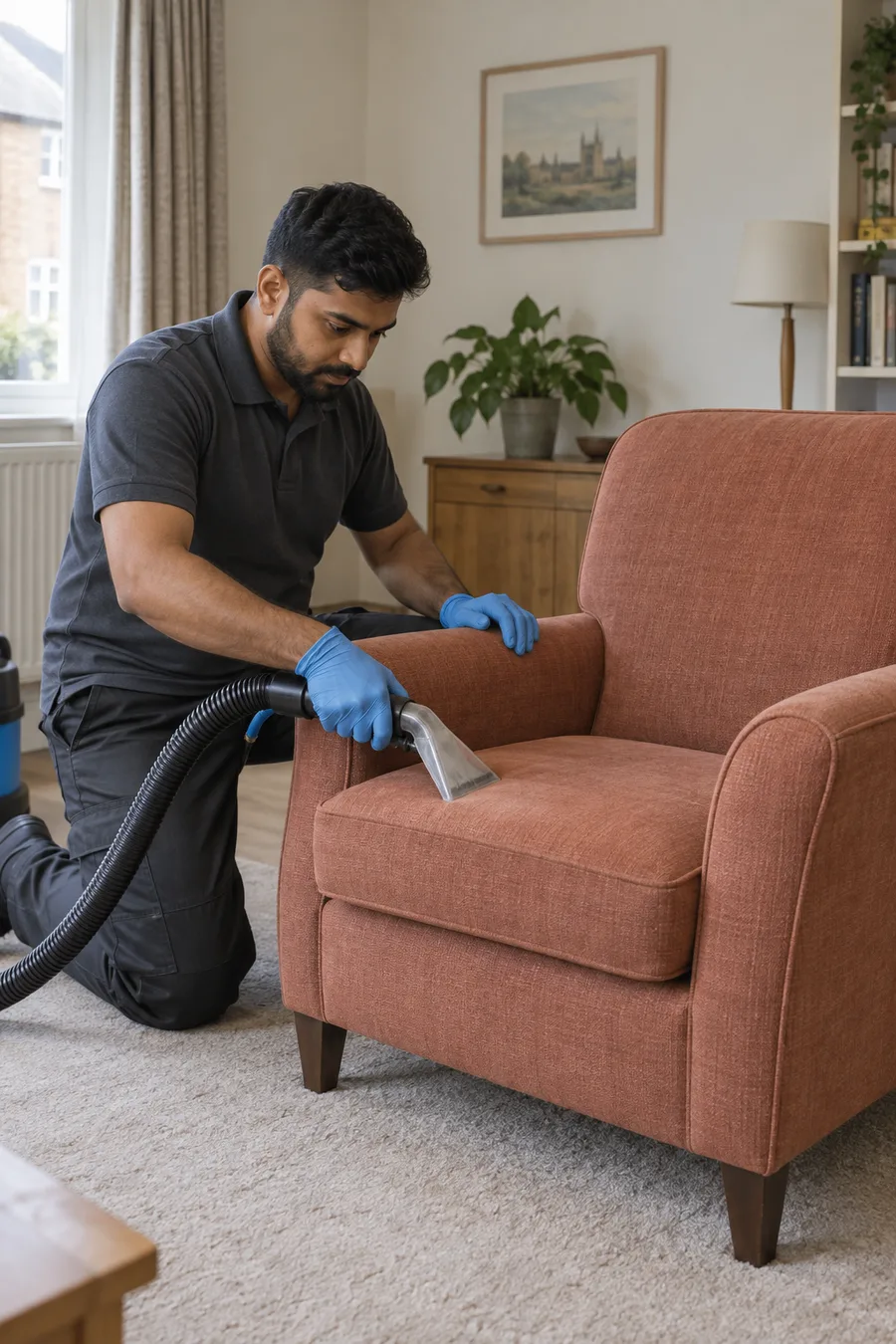
Technician treating the seat of a fabric armchair
Close view of woven upholstery fabric on a sofa

Explain what is known about the smell

Identify the sofa or chair and where the concern seems most noticeable. Say when it began and describe any known incident, recurrence or product applied afterwards. If you cannot identify the cause of the smell, say that. Mention filling concerns separately, because the visible face may not describe the extent of a problem.

We can discuss treatment, but complete odour or stain removal cannot be promised. Damage or contamination beyond the accessible upholstery can limit improvement. Avoid applying unfamiliar deodorising or cleaning products while suitable work is considered; name anything already used and explain its effect so the account concerns the actual furniture and history.

Share the care information alongside the incident account

Provide care labels or manufacturer’s guidance, including moisture or product restrictions. Mention mixed panels, trim and different cushion undersides. Say when composition is unknown and include earlier cleaning or protection where known. A smell does not decide which method suits the material; the actual upholstery and current condition need consideration before treatment is selected.

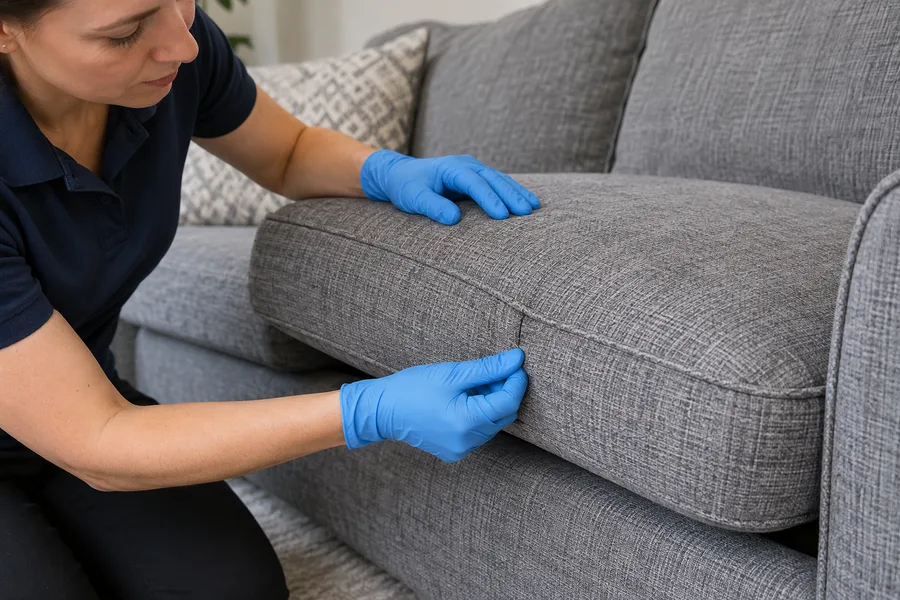
Gloved hands inspecting a sofa cushion seam

Show the piece and locate other concerns

Give whole-sofa photographs, seating capacity and approximate dimensions. Point out arms, seat fronts, back panels and cushions you want considered, with visible spills distinguished from general soiling. Mention worn areas, fading or damage separately. Some soiling may be treated while permanent changes remain, so make the area list and realistic priorities clear even when odour prompted the initial enquiry.

Describe construction as well as the affected face

Loose and fixed pieces

Count loose seats and backs and identify requested faces. Mention different reverse or underside material and explain fixed upholstery. Confirm inclusions rather than assuming every cushion surface or internal filling is part of the main sofa treatment.

Joins and covers

Show visible soiling near piping, seams or folds and mention damaged stitching. Leave unfamiliar covers and fastenings alone while preparation is discussed. Cleaning cannot repair fabric, and a visible zip does not establish a machine-washing method.

Discuss suitable work for the furniture described

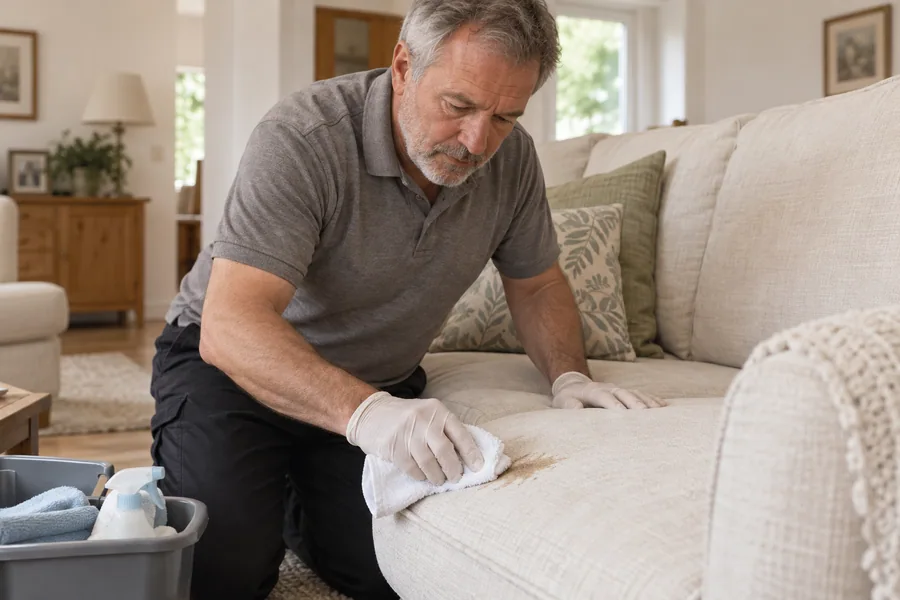
Blotting a small drink mark on an upholstered seat

Hot water extraction

We offer hot water extraction for suitable upholstery. Share the fabric guidance, condition and known incidents when considering it. Confirm the surfaces requested and ask what preparation and aftercare apply, with realistic expectations for the concern rather than a complete-removal promise.

Dry cleaning and delicates

Dry cleaning is available too, including delicate-material options. Ask whether it fits the material and work required. Choosing another method cannot guarantee resolution of every smell, so discuss actual condition, requested surfaces and aftercare before booking.

Give each affected piece its own history

If an armchair also needs attention, describe its material and incidents separately from the sofa. Identify requested seat, arm and back surfaces, including any loose cushion. A matching piece can have a different construction or treatment history. They can be considered together while their actual work and pricing remain clear, rather than assuming one fabric account describes all furniture in the room.

Give the receiving contact the known history

Remove personal belongings and loose objects from requested seating and clear the working routes. Keep care guidance and product details available to the entry contact. Help with lightweight furniture is included; discuss heavier moving arrangements beforehand. Provide the Feltham address, stairs and equipment-access restrictions, and ask what preparation is wanted so the furniture concerns and practical visit arrangements stay connected.

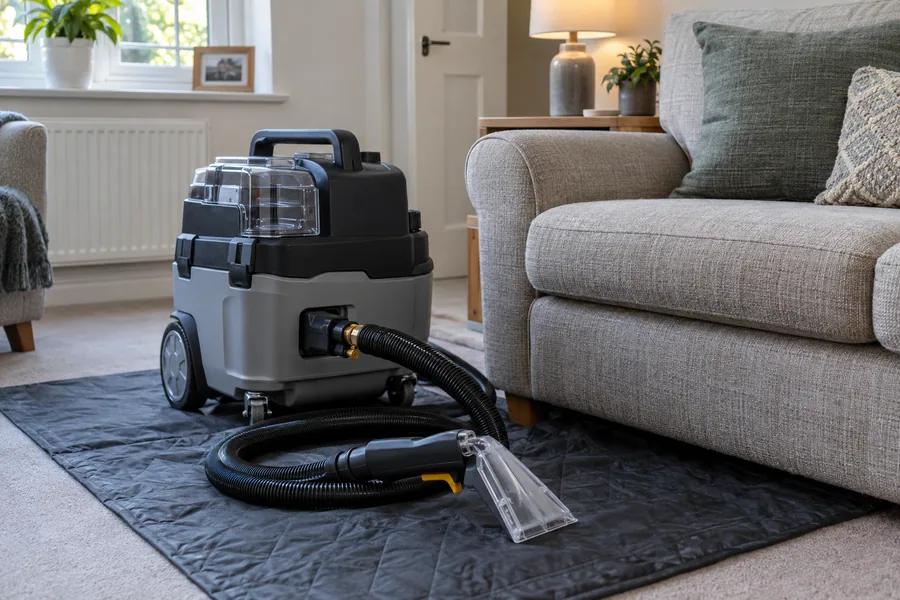
Upholstery extraction hand tool and connected hose

Keep another seat available while the furniture dries

Explain when the seating is next needed and ask about aftercare for the proposed work. Drying varies with upholstery, treatment and room conditions. Follow ventilation advice and ask how loose cushions should be placed, including when the furniture, throws and belongings can return to use. Leave flexibility rather than relying on the duration of cleaning or the disappearance of a surface mark to decide readiness.

Confirm the complete piece and treatment quote

Armchair cleaning starts at £15 for extraction or £19 for dry cleaning. A two-seat sofa starts at £36 or £42 respectively. Give actual size, fabric, layout and requested surfaces for the full quotation. Area and availability affect pricing, with applicable congestion charges additional. Check inclusions and any proposed protection’s suitability, inclusion and extra cost before arranging the appointment.

Give the Feltham enquiry its furniture history

Call with the postcode, preferred dates and affected pieces, including care information and known products or incidents. Name the receiving contact and explain access or next-use plans. We can discuss realistic work, the complete quote and practical aftercare before arranging the visit.

BEFORE THE FURNITURE IS TREATED

Feltham questions about smells in upholstered seating

Can I enquire when the visible mark is unclear?

Describe the affected piece, history and current concern. Include material information and any known incident rather than guessing a cause from appearance or smell alone.

Will every odour completely disappear?

Complete removal cannot be promised. Explain recurrence, extent and filling concerns so realistic treatment options can be discussed.

Should deodorising products already used be mentioned?

Name them and describe their effect. Earlier products are useful information when considering the current upholstery and incident history.

How is the method chosen when odour is the concern?

Material guidance, condition and requested work still need consideration. The concern alone cannot determine a suitable method.

Is cushion filling automatically included in the work?

Explain the construction and concerns and confirm the actual surfaces included. Do not leave deeper filling treatment implicit in a sofa or cushion description.

How should the household plan after the clean?

Keep alternative seating where possible and follow actual aftercare advice. Drying and return to use depend on the upholstery, treatment and conditions.

Explain the smell’s known history

Call with the Feltham pieces, fabric guidance and earlier incidents or products. We can discuss realistic upholstery treatment, practical access, aftercare and the complete quotation for the requested work.

Illustrative generated photographs show furniture and cleaning situations, rather than actual staff or local customer jobs.