
Hot water extraction
We offer extraction for suitable upholstery. Ask how the fabric, condition and incident history affect the proposed treatment, including surfaces and stain work. Agree the furniture preparation and aftercare before booking.

A smell and a visible mark are not always the same furniture concern. Tell us where you notice each and what you know about the cause. We can discuss the upholstery, treatment options and a realistic quotation for the seating at your Northolt address.
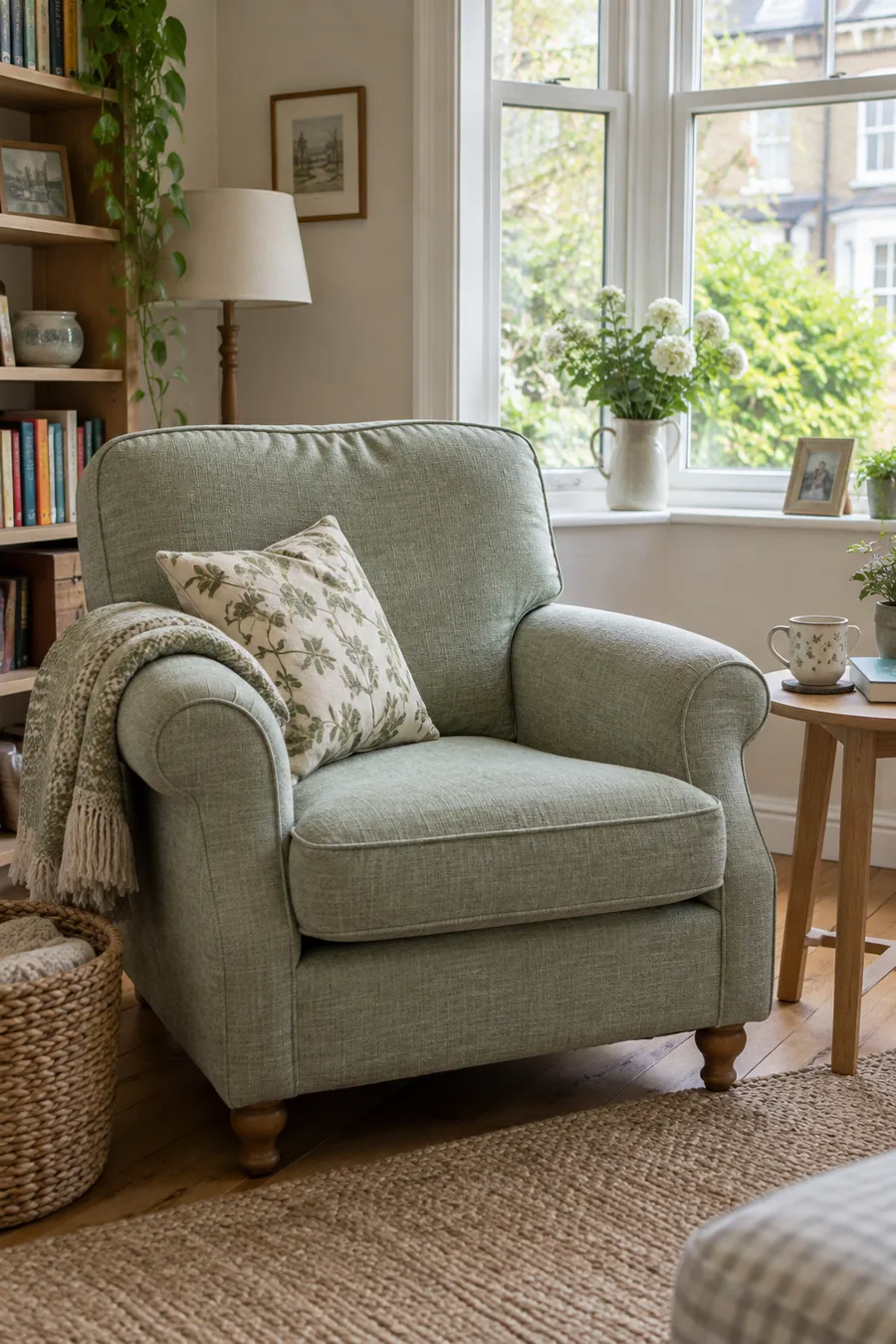
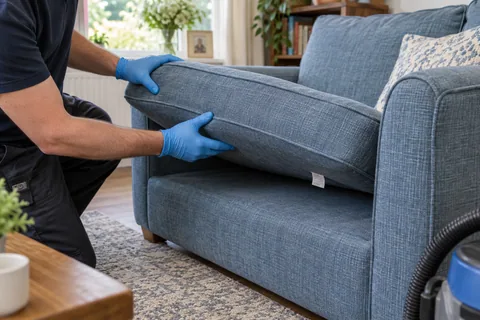
Identify the piece and area involved, when you first noticed the smell and whether there was a known spill or pet incident. Explain recurrence and previous cleaning attempts. For a visible mark, add close and wider photographs so its position and extent can be understood.
Complete removal of every odour or stain cannot be promised. An incident may affect more than the accessible cover, including filling, while permanent material changes can remain. Discuss the history honestly so the treatment request does not become an expectation that surface cleaning will resolve every underlying concern.
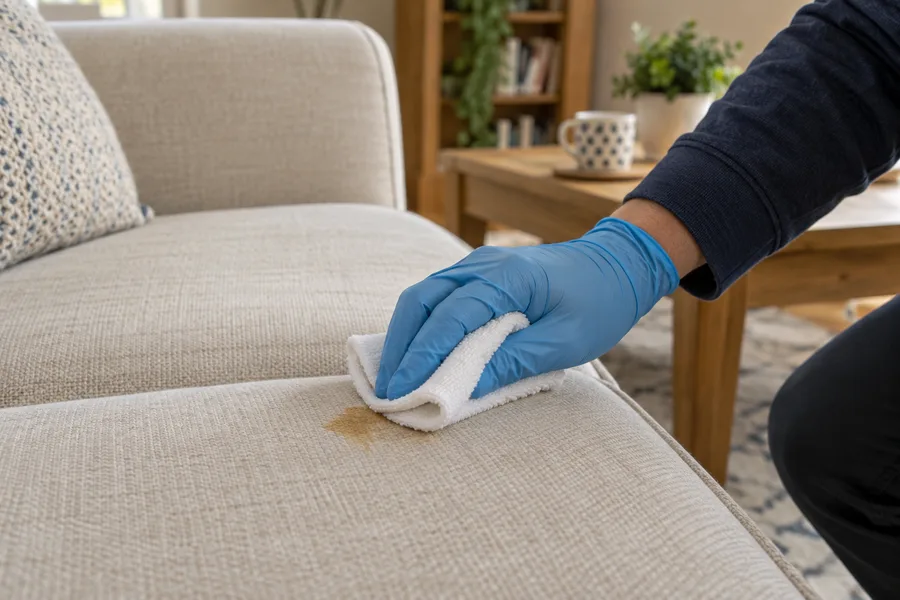
Describe the sofa or chair by approximate size, arrangement and cover information. Include a chaise, corner section or separate footstool if it needs attention. Tell us whether you want general furniture cleaning as well as the smell or particular mark discussed.
Show the piece without loose throws hiding the cover and identify other areas of contact soiling. Mention worn threads, colour loss or damaged stitching separately. Cleaning does not repair those defects, and the furniture’s present condition belongs in the conversation before treatment is chosen.
Send labels or manufacturer guidance, including restrictions on moisture or products. Identify different materials on trim, panels or cushion reverses. If composition is unknown, say so and share purchase or previous professional-cleaning information where available.
List home products and any protection you know about, especially treatments applied to the affected area. Leave covers and filling together unless different preparation is agreed. A removable cushion is not automatically machine-washable, and an unfamiliar cover should not be dismantled to investigate a smell.
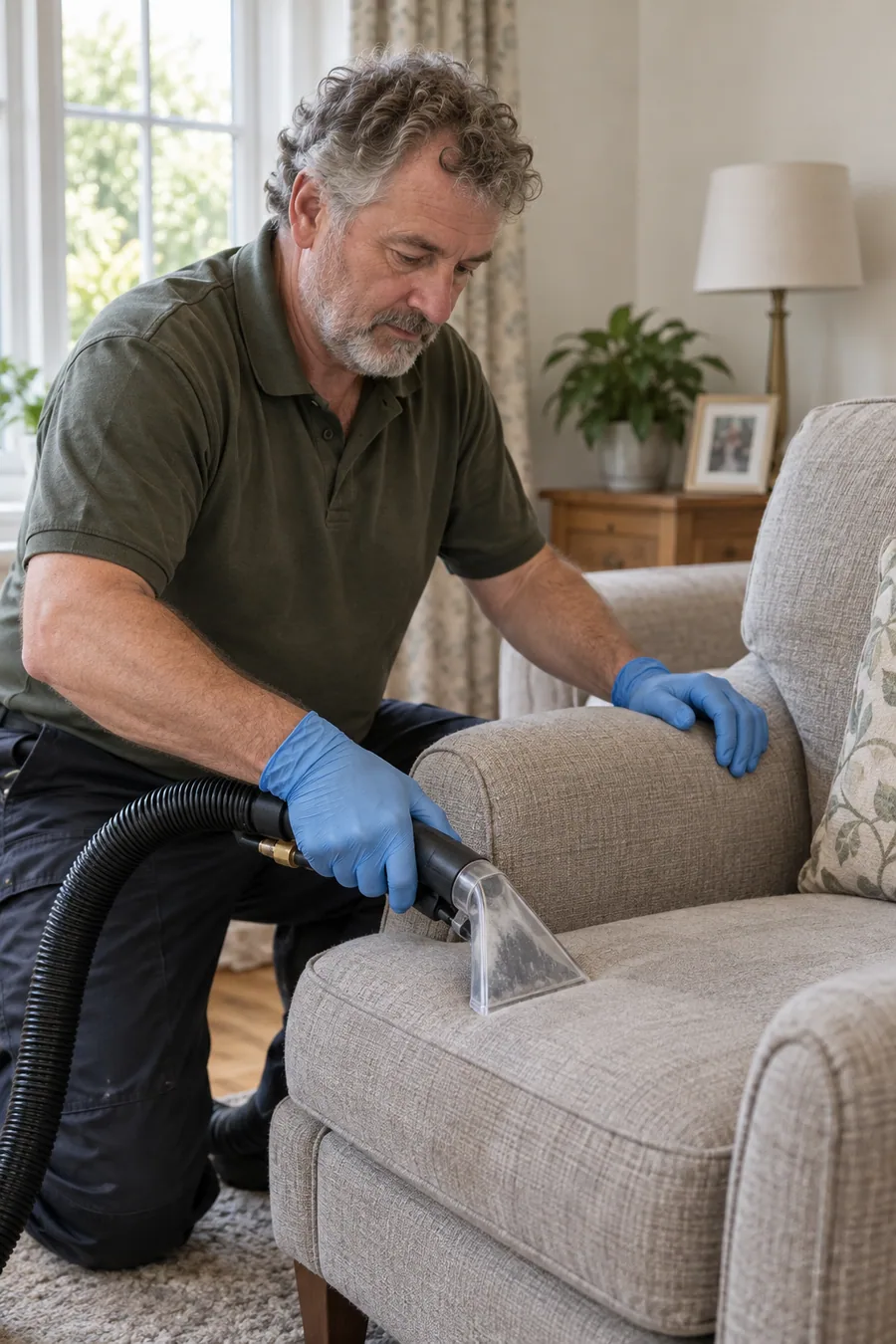
We offer extraction for suitable upholstery. Ask how the fabric, condition and incident history affect the proposed treatment, including surfaces and stain work. Agree the furniture preparation and aftercare before booking.
Dry cleaning is also available for delicates. Share care restrictions and discuss suitability rather than selecting an option from the presence of a smell alone. The actual cover and condition still need to guide the treatment conversation.
Count seats and backs, distinguish fixed pads and describe marks or concerns on an edge, face or reverse. Mention different material underneath and list decorative cushions separately. Confirm inclusion in the quote, keeping filling and fastenings together unless advised otherwise. Show any damaged zip or open seam so its condition is known before the visit.
Remove personal items and loose objects from the furniture and route into the room. Tell us about stairs, entry restrictions and an item blocking a requested surface. Assistance with lightweight furniture is included; discuss heavy moving arrangements beforehand. Identify the receiving contact and keep care information available. Arrange for pets to remain outside the working area and leave unfamiliar furniture fittings assembled.
Ask how the piece should be left after treatment and when it can return to use. Drying depends on material, filling, method and room conditions. Plan another place to sit and ask about ventilation, loose cushion positioning and when throws can return.
If protection is proposed, confirm suitability and whether it is included or separately charged. Ask about later spill care and pass the guidance to the household. Explain any continuing concern rather than beginning another series of home products immediately after the visit.
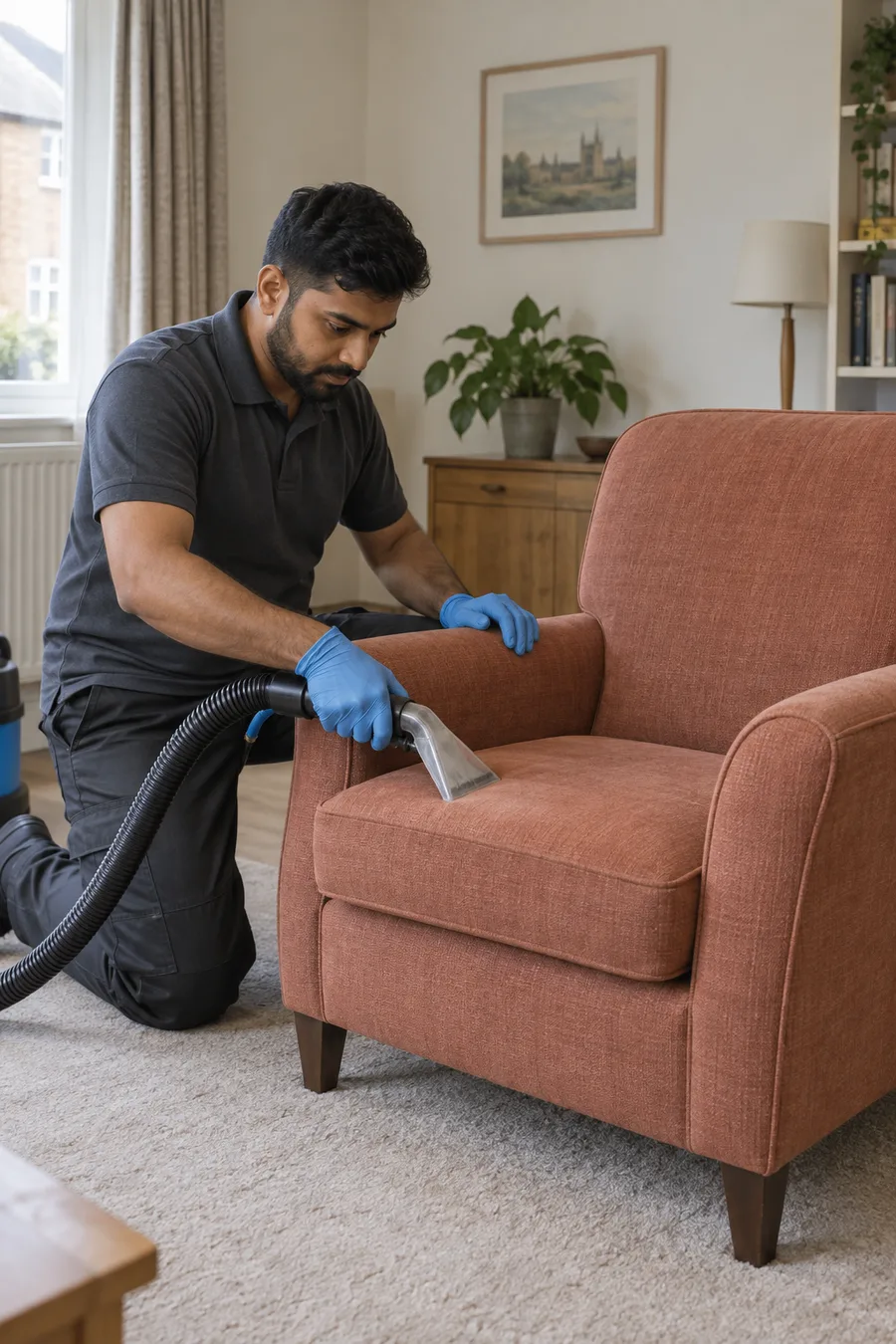
An armchair starts from £15 for extraction or £19 for dry cleaning. A two-seat sofa starts from £36 or £42. Actual size, fabric, arrangement and condition affect the quotation, including the surfaces and particular concerns you want considered.
The starting prices are a reference for the enquiry. Check inclusions and availability before booking; figures can vary by area and applicable congestion charges are additional. Discuss any protection cost and extra piece within the full quote.
If an incident also reached a floor covering, enquire about carpet cleaning and describe that surface’s history. For a wider household reset, discuss one-off deep cleaning. If the furniture remains for a move, include its requirements in an end of tenancy cleaning enquiry so the handover and fabric treatment are clearly arranged.
Yes, identify the furniture and area and explain when it began. Give any known incident and earlier cleaning history so the concern can be discussed separately from visible marks.
Do not assign a cause you cannot confirm. Describe what you know, including spills, recurrence or storage, so the enquiry uses the actual history rather than a guess.
Discuss the affected piece and proposed work. No treatment of all internal filling or complete removal of every odour should be inferred from general upholstery cleaning.
Leave the construction assembled unless preparation is agreed. Explain the concern and any existing damage without dismantling unfamiliar filling or fastenings.
Yes. Give their location, timing and earlier attempts individually, even when they appear related. This makes the treatment discussion clearer.
Explain recurrence and the surfaces involved before booking. Repeated incidents and possible effects beyond the cover matter when discussing realistic treatment and expectations.
Send the piece details and describe the smell, mark and known history separately. We will discuss suitable treatment and a quote for your Northolt seating.
Illustrative generated photographs show furniture and cleaning situations, rather than actual staff or local customer jobs.