Star Domestic Cleaners
Menu
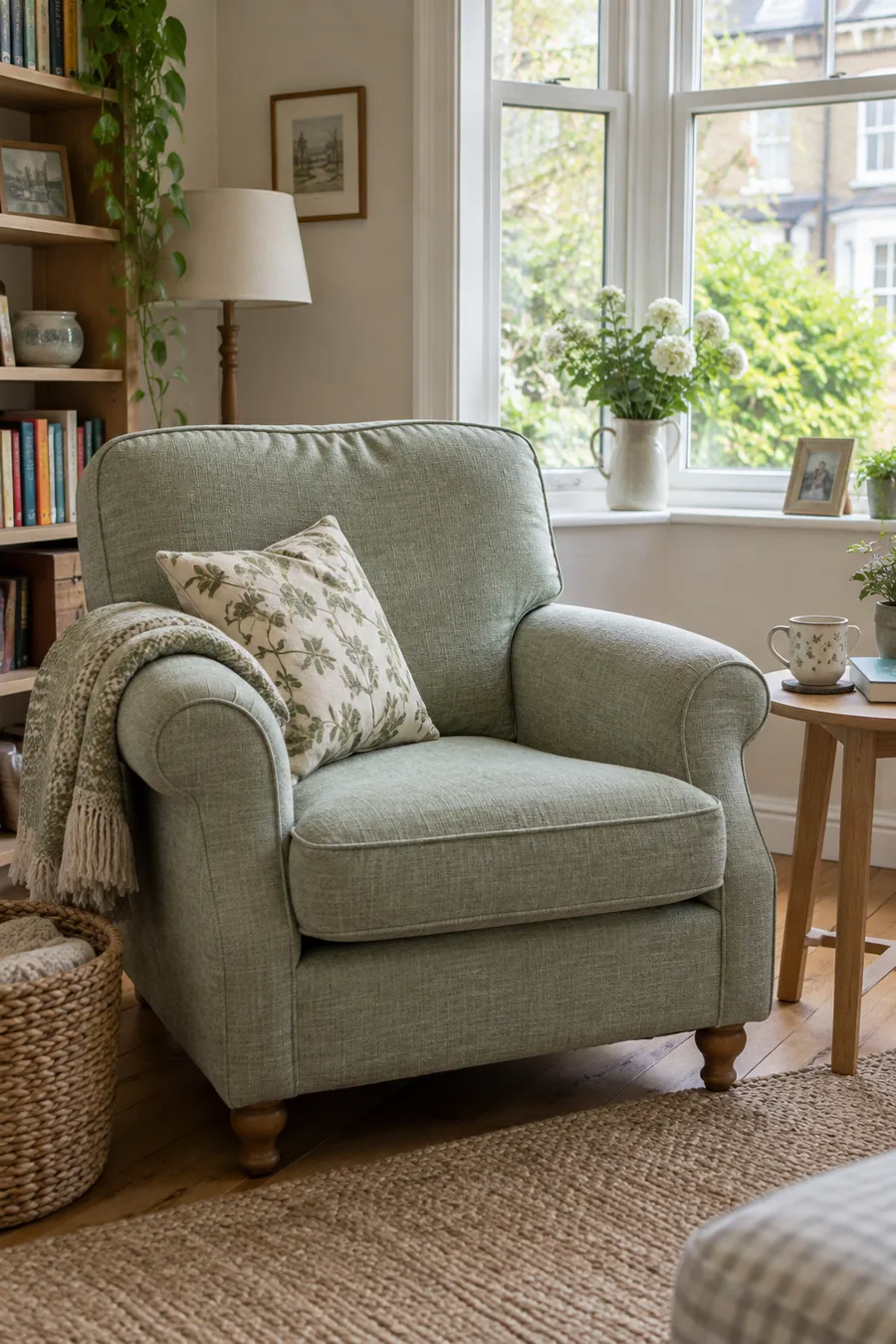
A fabric sofa in a naturally lit UK living room
THE PATTERN CAN MAKE THE MARK HARDER TO DESCRIBE

Upholstery Cleaning Walton on Thames

On a patterned cover, a close image may not show where a change sits on the furniture. Tell us about the marks and send a wider view of your Walton on Thames pieces with care guidance. We can discuss appropriate upholstery treatment for the actual fabrics and condition.

  • Marks located within the piece
  • Care information reviewed
  • Contrasting surfaces identified
Textured fabric armchair in a UK sitting room
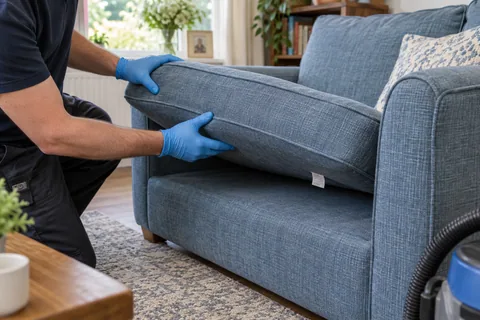
Hands checking a care label beneath a sofa cushion

Share the care guidance as well as the cover’s appearance.

Send labels or manufacturer instructions where available, including moisture and product restrictions. A patterned design does not establish fabric composition or one cleaning method. Mention contrasting trim, back panels and cushion undersides. If composition is unknown, say so rather than judging from colour or weave alone.

Explain previous cleaning, protection and products used on marks, including changes afterwards. Products you want avoided and sensitive materials need review before treatment is selected. Fading or colour loss may resemble a cleaning concern within the pattern, but cleaning cannot replace missing colour or repair fabric damage.

Locate the change with close and wider views.

For food or drink, give the substance, approximate age and products or rubbing tried afterwards. Explain which seat, arm or cushion surface is affected. A close image shows detail while a wider view places the concern on the piece. If the cause is uncertain, say what you know.

Avoid adding more unknown cleaners while waiting for advice. Pet incidents and smells need recurrence, extent and affected parts described, because filling may be involved beyond the cover. We can discuss suitable work without promising disappearance of every stain or odour. Wear and earlier product damage may remain after appropriate cleaning.

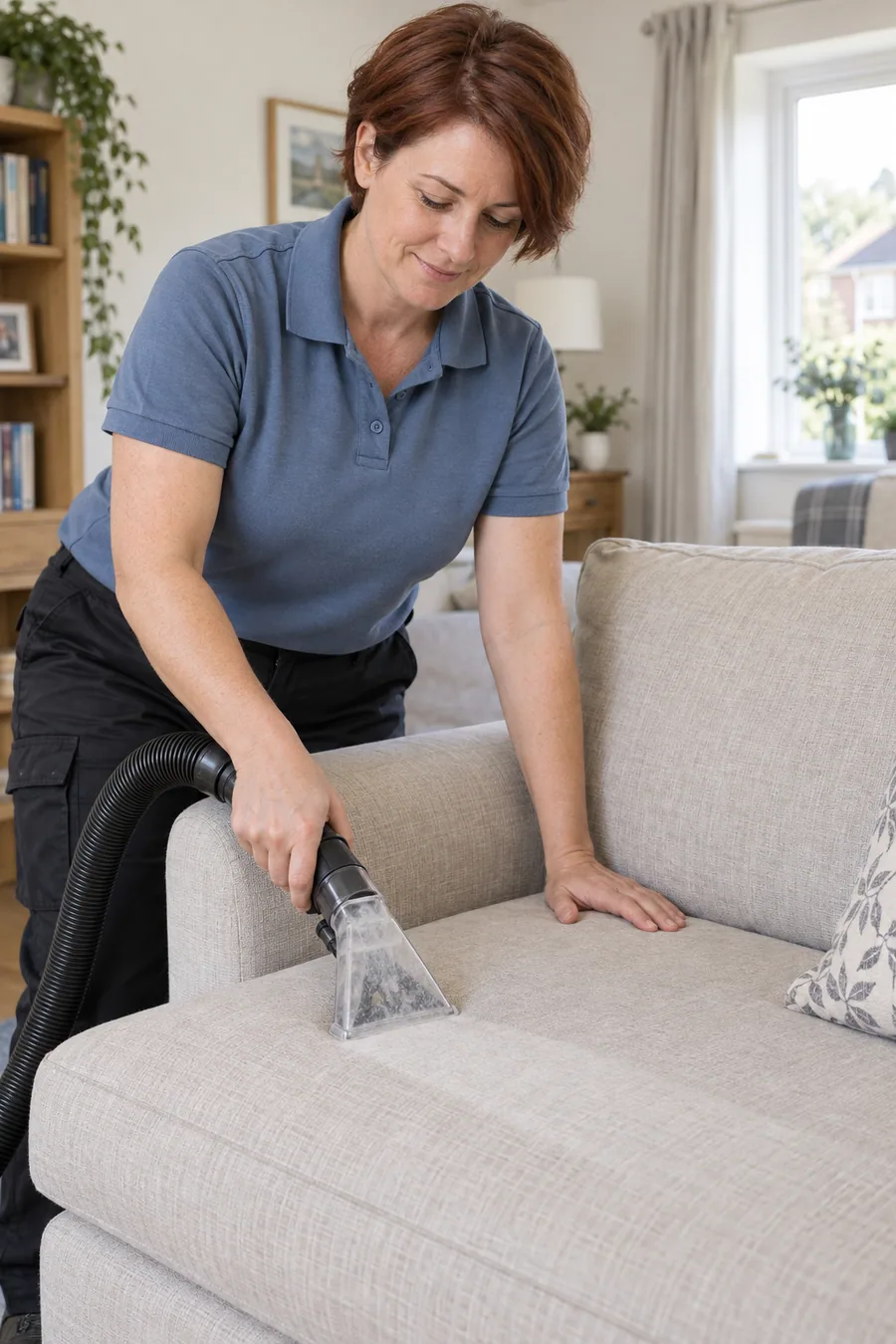
Technician cleaning a fabric sofa with a small upholstery extraction tool

Describe construction and contact areas alongside the pattern.

Give sofa capacity, dimensions and shape, including corner, chaise or detachable sections. List an armchair separately if also wanted. Similar patterns do not prove identical care or construction. Identify contact soiling on arms, seat fronts and head-rest areas alongside spills or changes in the print.

Say which panels are blocked and what surfaces you want considered. A piece with a patterned back may need that panel requested explicitly. Heavy moving and dismantling should not be presumed; do not shift the furniture unsafely to expose another area. The quote needs actual construction and practical access.

Discuss offered methods from the material and condition.

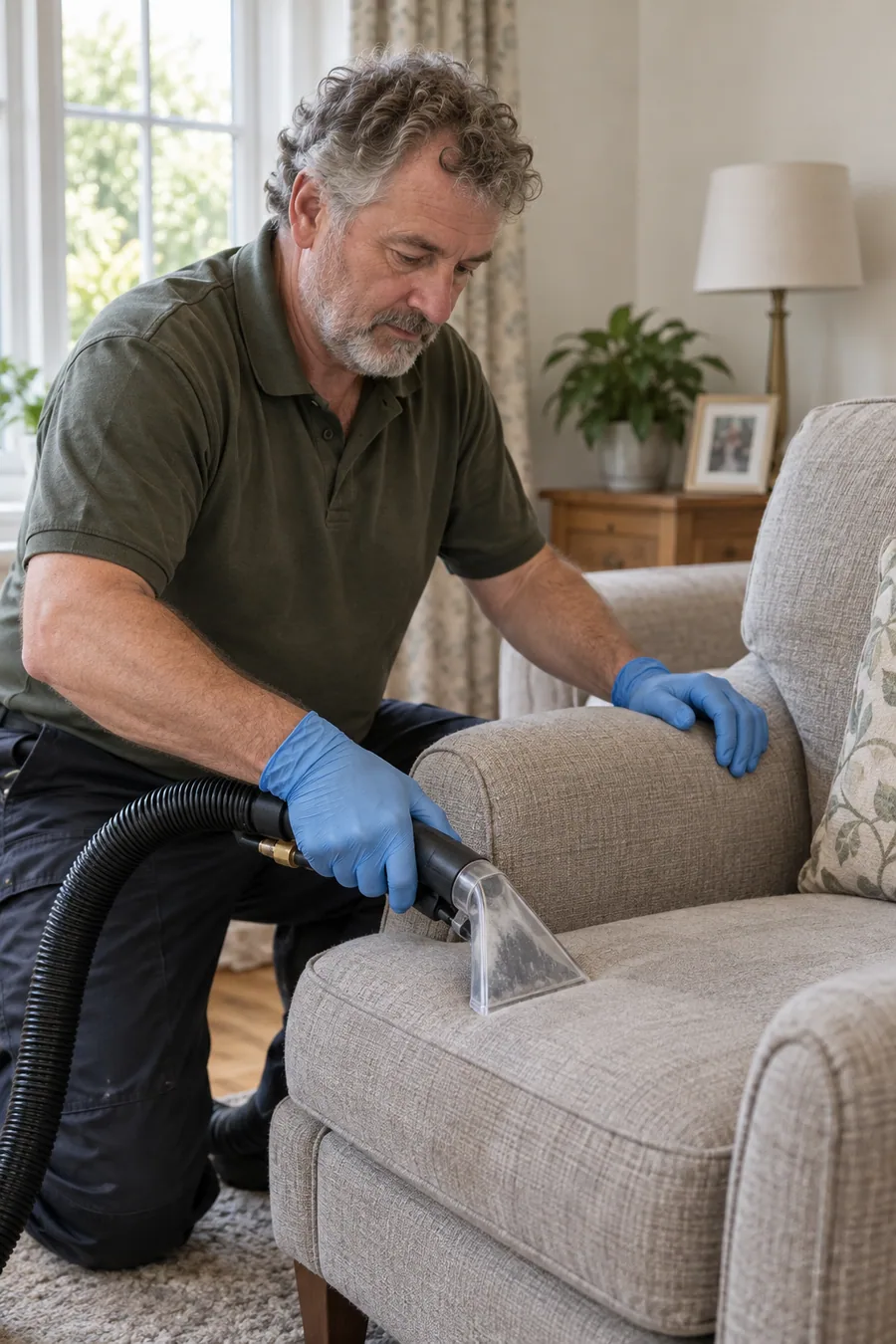
Cleaner treating a fabric armchair seat

Hot water extraction

We offer hot water extraction for suitable upholstery fabric and condition. Explain covers, marks and panels so suitability and targeted work can be reviewed. Confirm the proposed surfaces and aftercare for the actual piece. A patterned appearance does not establish one treatment for every material or colour area.

Dry cleaning and delicates

Dry cleaning is another offered option for suitable delicate materials. Share guidance and ask whether to consider it. Confirm surfaces and aftercare rather than choosing from appearance alone. The method name does not establish universal eligibility or immediate use of the furniture.

Identify cushion sides and any material changes.

Give seat and back cushion counts and say which lift out or remain fixed. Request fronts, reverses and undersides wanted, especially if patterns or materials differ. Confirm surfaces in the quote rather than assuming every side from sofa capacity or a matching printed design.

If the cushion reverse has a plain fabric while its face is patterned, show both materials and specify whether both are requested. Include piping that borders the print and any worn seam that needs careful handling. Keep covers attached until preparation is agreed; the zip alone does not tell you whether the fabric can be washed.

Ask for use advice for the actual cover and filling.

A printed cover can make damp areas harder to judge visually. Ask the cleaner when the piece can be sat on and when its loose cushions or throws can return. Mention the room ventilation and any essential use that day; fabric and filling can affect drying even when two panels have the same pattern.

Keep another seat available where practical and ask before replacing throws or belongings. Confirm protection suitability, whether it is included or optional and any charge. It cannot prevent every future mark or repair damage. Raise practical household use while arranging the work and follow aftercare for the selected treatment.

Clear belongings and agree access without removing unfamiliar covers.

Remove personal items and loose objects and make a route to the furniture. Discuss lightweight pieces nearby and moving arrangements. Explain heavier items or restricted panels before arrival; do not shift or dismantle furniture unsafely. Ask about preparation for the agreed treatment rather than removing covers to investigate them yourself.

Use the pattern itself to help identify the requested area: for example, a mark beside a particular stripe or motif on the seat front. Keep the full furniture photograph with that close view. At booking, explain where the piece stands, any inaccessible patterned back and who can confirm those panels when the cleaner arrives.

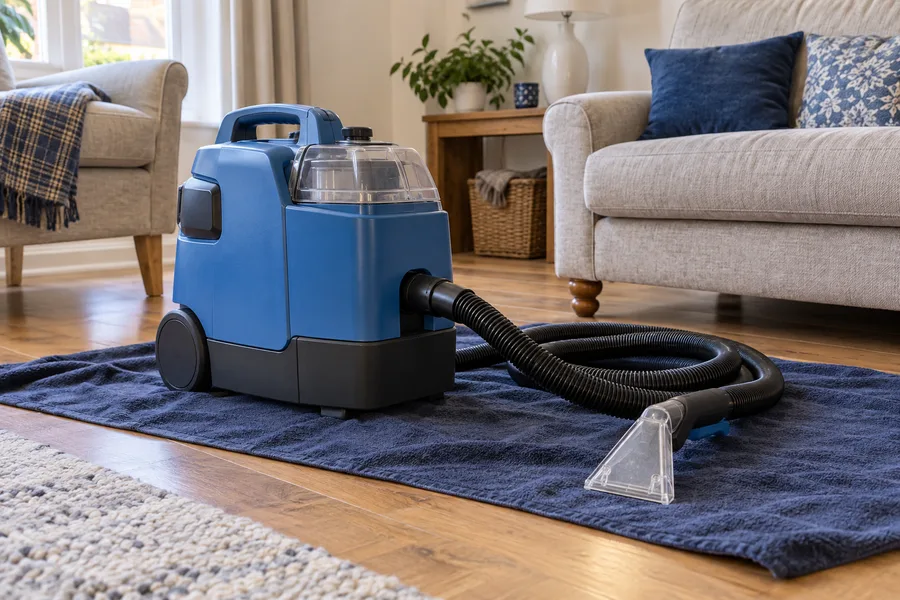
Portable upholstery equipment with a small hand tool

Confirm the item total with covers and surfaces described.

A two-seat sofa starts at £36 for extraction or £42 for dry cleaning. Size, fabric and layout affect pricing, alongside area and availability; applicable congestion charges are extra. Confirm the Walton on Thames pieces, surfaces, cushion requests, stain work, protection and complete quote. Describe unusual shapes and contrasting panels with the seat count.

Other upholstery cleaning areas

BEFORE THE FURNITURE IS TREATED

Patterned fabrics and mark descriptions in Walton on Thames

Does a patterned cover identify the fabric?

Share labels or manufacturer guidance and state what is unknown. Appearance alone does not establish composition or one suitable treatment.

Should a mark have both close and wider photos?

Yes, a close view can show detail while the wider piece view locates the concern. Include its cause, age and earlier products where known.

Can cleaning restore a faded area of the pattern?

Cleaning cannot replace missing colour or repair damaged fabric. Identify fading separately from suitable removable dirt.

Are differently patterned cushion reverses included?

Request the sides explicitly and confirm surfaces in the quote, particularly where material also changes.

Should covers be removed to compare the undersides?

Leave unfamiliar covers and fastenings alone and agree preparation. Removability does not establish washing or dismantling as part of the treatment.

Can the print’s appearance show that the furniture is ready?

Ask for aftercare for the actual cover, filling and method rather than deciding return to use from one dry-looking panel.

Locate the mark within the patterned piece.

Describe the Walton on Thames cover guidance, construction and affected surfaces. We can review suitable treatment, practical aftercare and the full item quote.

Illustrative generated photographs show furniture and cleaning situations, rather than actual staff or local customer jobs.