

Upholstery Cleaning Whitechapel
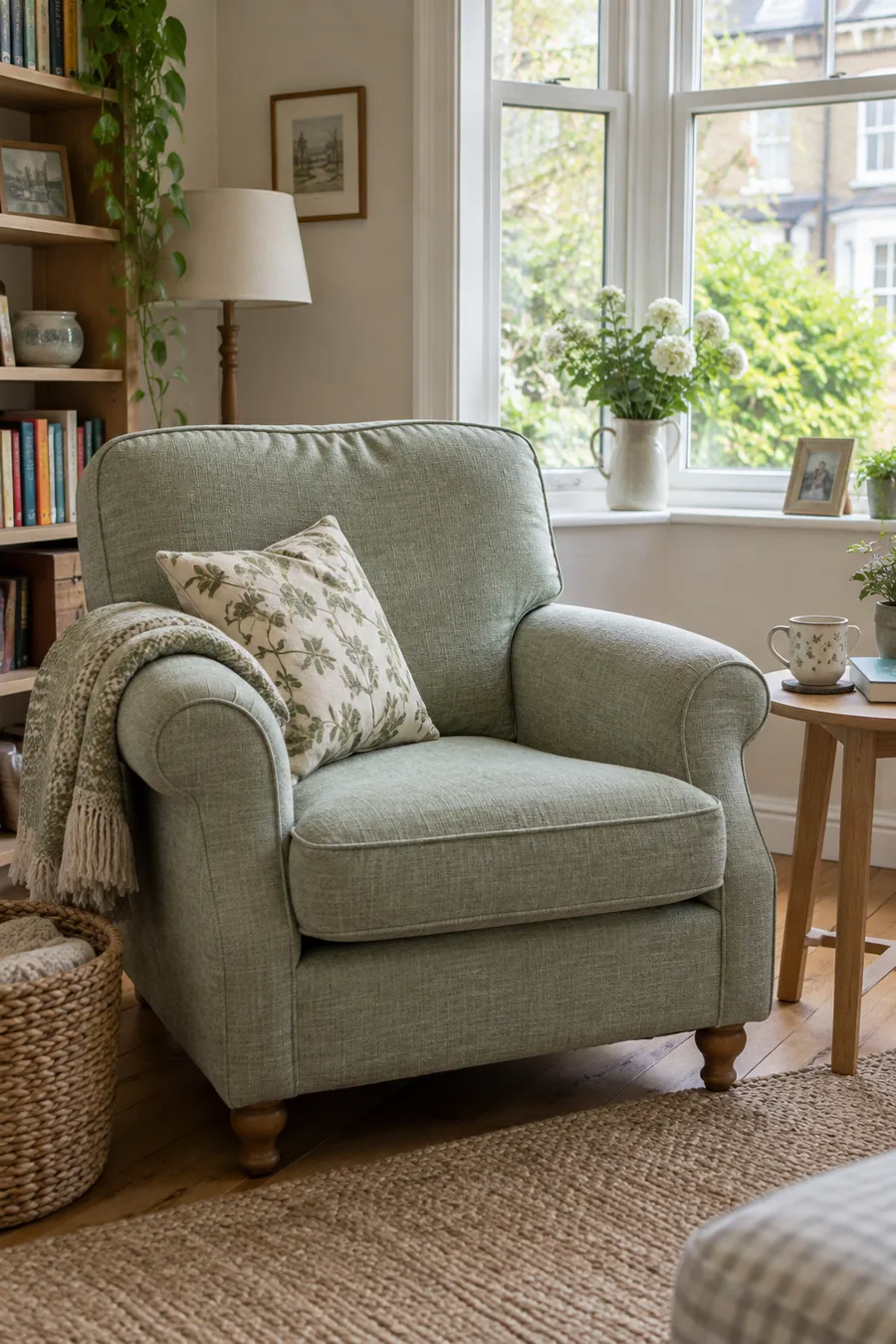
Keep a fitted cover on the furniture while you explain the cleaning request. Show the label, the seams and any change in texture or fit. We can discuss the material, the areas needing attention and the right scope for a visit.
- Fitted covers described in place
- Fabric and previous treatment considered
- Cushion scope confirmed in the quote
Describe the cover while it is fitted.
A cover that fits closely around the arms and back can be difficult to refit if removed without suitable instructions. Send an overall photograph with it in place, then show the areas causing concern. Include the care label and explain if it has been washed or treated before. A zip or fastening is useful construction information, but it is not permission to use a particular cleaning method.
Note strain around the seams.
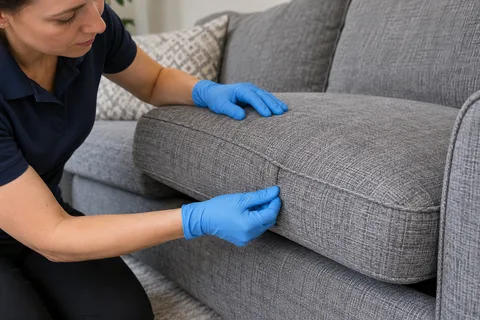
Look for pulled stitching, worn piping and tight areas where the cover meets an arm or cushion edge. Tell us if the fit has changed or if a previous wash made it harder to put back on. Cleaning cannot reverse every change in size or repair the stitching. Distinguish these construction concerns from removable soiling when asking what can be done.
A chair cover and a sofa cover may need separate consideration even when they look similar. Mention contrasting panels, different cushion reverses or an earlier replacement cover. Show each piece rather than sending one sofa picture to represent the entire set.

A care label can settle useful questions.
Provide the wording from the label, not just a description such as delicate. Restrictions on moisture or cleaning products matter. Manufacturer guidance or a purchase record may help when the label is missing. Be clear about unknown composition: photographs show a surface but cannot confirm every fibre or backing used in it.
Tell us about coatings, decorative trims or repairs you know about. Avoid applying a product to test the material yourself before enquiring. The proposed cleaning should take the actual cover and its condition into account, rather than treating every fitted cover as washable.
Discuss suitability before removing anything.
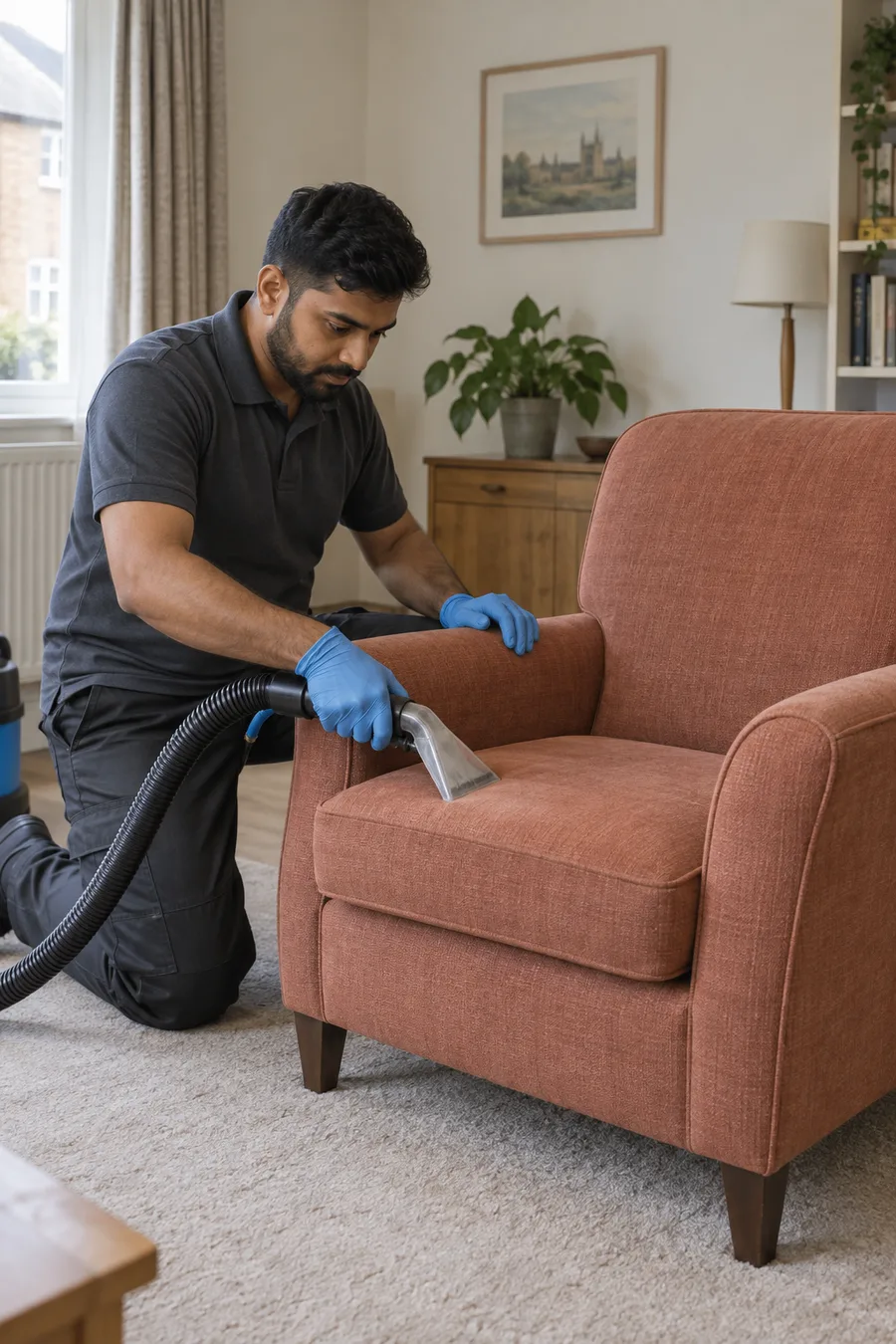
Our upholstery options include hot water extraction and dry cleaning for suitable delicates. Their availability does not mean every material can accept either option. Explain the label, current condition and previous products so the suitable approach and its limitations can be discussed.
Agree which visible panels, cushion faces and additional items are included. A separately washable throw is not the same item as the fitted furniture cover. Do not remove inner padding, fixed fastenings or the entire cover to prepare unless the advice for your particular appointment calls for it.
Explain the stain and what lies beneath it.
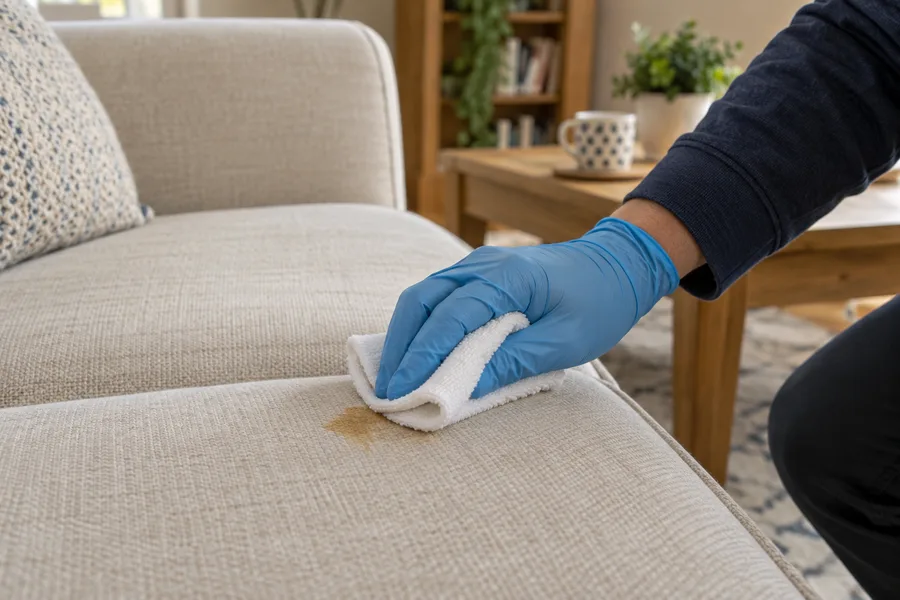
For a food or drink spill, describe what happened and whether liquid passed through the cover. State when it occurred and what you used to blot or treat it. A pale patch after a household product may not be removable dirt. Repeated rubbing or spraying can alter a fabric, so avoid another treatment attempt while requesting advice.
Pet accidents and lingering smells need separate detail, particularly if they occurred repeatedly on the same cushion. Cleaning the cover does not guarantee removal of a problem inside the filling. Complete stain and odour removal cannot be promised, and material damage or fading may remain.
Include the cushions that belong to the request.
List seat, back and scatter cushions, noting which are fixed and which lift out. Say if reverses have a different fabric or if one side is visibly more affected. Confirm the surfaces included in the quotation. A request for the sofa does not by itself settle every loose cushion or internal filling detail.
Leave time for the actual material.
Ask about drying and how the cushions should be positioned after treatment. The cleaner’s time in the room is not a return-to-use deadline. Moisture retained, material, method and conditions in the room can all affect the advice. Keep another seat available and check before putting a throw over the cleaned furniture.
If you ask about protection, confirm its suitability and any charge. It cannot prevent every future stain. Ask when throws and belongings can return, and follow the advice for the treated cover and cushions.
Describe the furniture before choosing a price category.
Armchair starting prices are £15 for hot water extraction and £19 for dry cleaning. Two-seat sofas start from £36 and £42, and three-seat sofas from £102 and £114 respectively. An unusual cover, broad seat, separate footstool or attached section should be described rather than priced by guesswork.
Consult the published item figures and confirm the full quote, requested surfaces and appointment options. Fabric, size, condition and area can affect the price, with applicable congestion charges additional. Clear loose belongings and explain stairs or entry restrictions. Moving heavyweight furniture needs discussing; help with lightweight pieces does not mean unrestricted rearrangement.
Keep the request clear for other surfaces.
For a spill also affecting the floor, describe the carpet area separately. Routine room care can be discussed through regular domestic cleaning, while one-off cleaning of the home covers a wider task list. Neither establishes that specialist upholstery treatment is included without agreement.
Add the address and receiving arrangements.
Give the Whitechapel postcode, preferred dates and access contact with the furniture photographs. Explain where the pieces will be on the day and any restrictions on entry. We will discuss availability and the complete quotation.
Questions about fitted covers and preparation
Should I remove the cover to show its label?
If the label can be photographed without stripping the furniture, leave the cover fitted. Otherwise explain where it is and ask for advice rather than pulling apart a tight-fitting cover.
Can cleaning undo shrinkage from an earlier wash?
Describe the change in fit before booking. Cleaning is not a promise to reverse shrinkage; strained seams or a cover that no longer fits may need attention beyond fabric cleaning.
What if the chair has a replacement cover?
Share that cover’s own care information. The instructions for the original furniture may no longer describe the material now on the chair.
Does the quote cover the inner cushion?
State whether liquid reached the filling and ask what treatment is possible. Cleaning cover surfaces does not automatically include inner padding or establish that it can be treated.
Can a fitted cover be cleaned with extraction?
That depends on its material, instructions and condition. Describe those first; fitted construction alone neither allows nor rules out a method.
Should I put the throw back as soon as the visit ends?
Follow the return-to-use advice before covering the seating. A throw can conceal moisture or affect drying, so the end of the appointment is not the only consideration.
Keep the cover details with the enquiry.
Share its instructions, fit and treatment history with photographs of the furniture. Add your Whitechapel postcode so we can discuss a suitable visit and price.
Illustrative generated photographs show furniture and cleaning situations, rather than actual staff or local customer jobs.