
Bathroom
Distinguish ceiling paint, tile, grout and seal edges. Mention where growth keeps returning and any known extraction concern. Loose or damaged finishes should be described without pulling them apart.
When several rooms are affected, each needs its own description. Tell us where you see mould in your Stanmore home and whether the patches appeared together. We discuss accessible inspection, moisture investigation and suitable treatment with the scope kept clear.

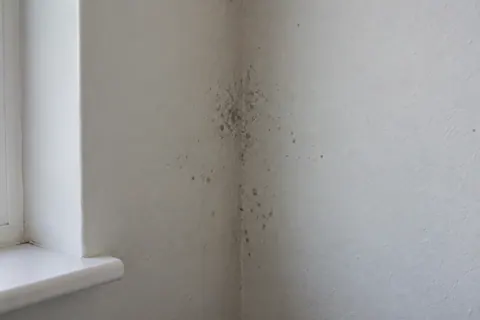
List each affected place and the material involved, then add when the patch appeared and whether it has returned. Give approximate extent in plain terms and note any visible wetness. Photographs showing the surroundings are useful alongside close views. Do not assume that similar-looking patches in different rooms share the same source, or that the first treatment discussed will suit every finish.
Explain everyday cleaning elsewhere through a separate one-off home clean. A household task list should not blur the request for mould and moisture assessment; confirm each service and its included work separately.

Distinguish ceiling paint, tile, grout and seal edges. Mention where growth keeps returning and any known extraction concern. Loose or damaged finishes should be described without pulling them apart.
Identify accessible wall or cupboard patches and report known plumbing problems. Do not move appliances to check hidden parts. Other grease and kitchen cleaning tasks have their own ordinary cleaning scope.
Show the glass, frame, reveal and adjoining wall. Describe repeated droplets or earlier water entry if observed. A window location alone does not establish one cause for every affected room.
Send postcode and a separate description for each affected room. Include photographs, earlier products, known repairs and access restrictions.
We consider accessible moisture concerns and suitable treatment for the surfaces. Ask whether findings differ between rooms and whether any area needs further assessment.
Confirm the named rooms and surfaces, investigation, amount and preparation. A quote for one patch should not be assumed to include all other locations or separately needed repairs.
Suitable surface treatment depends on material, condition and extent. We discuss which accessible areas can be addressed and which need a different response. Remaining staining or damaged coatings may not be resolved by surface treatment alone.
Inspection considers accessible conditions and the reported history. Ask which findings support the proposed next steps, and whether several concerns may be involved. No single room check should be taken as ruling out every concealed issue throughout the home.
Plumbing, building work, seal replacement, redecoration and ventilation installation require separate agreement. Recommendations should say what remains to be arranged and who will arrange it. Those tasks are not automatically included because several rooms are being discussed.
Extent, materials, access and the investigation needed affect the request. Ask whether assessment and suitable surface treatment are included together, which locations are priced and what is additional. Ordinary room-cleaning rates are not a mould tariff. If another patch is discovered or findings change the work, have the revised scope and amount explained before accepting any extra task.
Condensation, leaks and water entry can be matters for investigation. Describe conditions separately and mention any known repair history. Accessible observations help inform advice and proposed next steps, but hidden problems may need another assessment. Widespread or persistent mould should receive appropriate professional assessment rather than simply being treated as a longer cleaning checklist. Surface treatment does not establish that all moisture sources have been corrected.


Note occupied rooms, belongings close to patches and heavy items that obstruct views. Do not move large furniture, open affected construction or disturb finishes for inspection photographs. Keep product names and earlier records available. Ask what can be cleared safely and what arrangements people and pets need. Routine home cleaning can be requested separately for ordinary tasks and does not replace this investigation.
Follow the instructions for the agreed work and ask what source-related checks or repairs remain. Keep dates and photographs if a particular patch returns, identifying its room rather than saying the whole home is affected again. In a rented property, notify the landlord or agent. A deadline for end-of-tenancy cleaning is useful to mention, but it does not settle moisture concerns or authorise repair work.
Damp and mould can affect health. Seek a healthcare professional’s advice about symptoms; room photographs cannot diagnose them. Government guidance explains the importance of underlying causes. Avoid mixing chemicals or trying more products in different rooms. Report previous use and consult HSE cleaning-substance precautions.
Yes, separate locations and histories help define the enquiry. Include safely visible surfaces rather than assuming one close photo represents all rooms.
They can. Discuss each observed condition and any known history; the assessment should not begin by assuming all patches have one source.
Only if the kitchen is explicitly included. Ask for named rooms and surfaces so extra areas are not assumed.
Widespread, recurrent or suspected hidden mould needs appropriate professional assessment. It should not simply be added to a usual household cleaning list.
Say which room and surface it affects, when it returned and what wetness or change you noticed. Keep earlier photographs where available.
Yes, keep ordinary cleaning tasks separate and confirm their own scope. They do not replace mould treatment or moisture investigation.
Send the postcode, affected locations and histories. We will discuss assessment, suitable surface work and the quote to confirm.
Generated photographs illustrate affected surfaces and room conditions. They are not customer cases or evidence of treatment results.