
Surface treatment
We inspect accessible material and discuss suitable cleaning or treatment for the included areas. Damaged finishes may need a different response. Confirm what can be retained and which positions are actually covered.
A useful price needs a clear description of the work. Explain affected surfaces, moisture observations and access before comparing amounts. We can discuss inspection, suitable treatment and the scope for your Harrow enquiry.

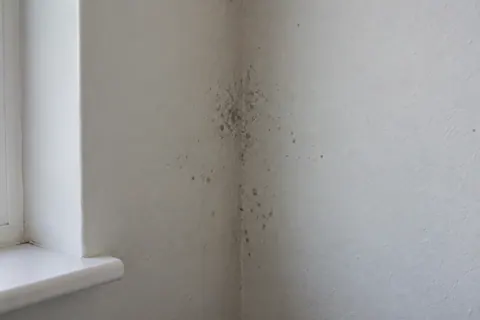
You may want to understand recurrence, arrange treatment of visible growth or clarify what an earlier repair left unresolved. Explain that purpose with the rooms and surfaces involved. Include overall photographs and close details where accessible. A small patch description can omit damaged material or hidden areas, so identify what remains uncertain rather than minimise the concern for a shorter booking.
A price for ordinary domestic deep cleaning concerns another service. It should not be read as a mould tariff or a substitute for suitable inspection and moisture work.
Area, material, condition, access, investigation and suitable treatment shape the work. Ask whether the total covers assessment, the named surface tasks or both. Follow-on checks, repairs and applicable extra charges need clear inclusion before agreement. No single room-cleaning amount establishes the cost of every mould concern.
If several proposals are being compared, identify their surfaces and access rather than compare numbers alone. One may concern accessible treatment while another includes a different investigation. A photograph helps describe the enquiry but cannot establish every concealed condition or automatically include a full property assessment.
We inspect accessible material and discuss suitable cleaning or treatment for the included areas. Damaged finishes may need a different response. Confirm what can be retained and which positions are actually covered.
We consider the reported dampness and accessible evidence when explaining relevant findings. Another cause question may need further checks. Its purpose, access and inclusion should be clear rather than implied by the word treatment.
Plumbing, structural repair, ventilation installation, replacement and decoration are not automatically included. Ask who carries out each recommended task and whether it is quoted separately. Investigation can inform that decision without being every repair completed.
Give the postcode, affected positions and relevant history. We discuss accessible inspection and moisture checks around that account. Include returning, extensive or partly hidden areas and any practical access restriction.
Ask what observations support treatment or another check, and which limitations remain. An accessible room visit does not establish every concealed water route or material condition. Keep findings attached to their positions.
Agree investigation, named surface work and preparation before attendance. If the findings change the proposed job, ask for the revised scope and total before accepting additional tasks.

Identify painted ceiling, grout, tiles or a flexible seal, with the shower or bath in a wider view. Describe damage and recurrence separately. Cleaning visible growth and replacing sealant are different tasks; neither should be silently inferred from the other.
Show frame, sill and neighbouring wall and explain the timing of visible moisture. A patch beside glass does not establish the source. A window opening may include several materials with different condition and treatment questions.
Locate affected material near units, fittings or appliances and include known water incidents. Describe limited access without dismantling cabinetry. Grease cleaning elsewhere is a separate household task, not resolution of hidden mould or a plumbing concern.
Condensation, leaks or external water entry may need investigation, sometimes together. Removing visible mould does not necessarily resolve moisture or prevent recurrence. Returning, widespread or suspected hidden growth requires appropriate professional assessment. In a rental property, report the condition to the landlord or managing agent and clarify who can approve investigation and further work.
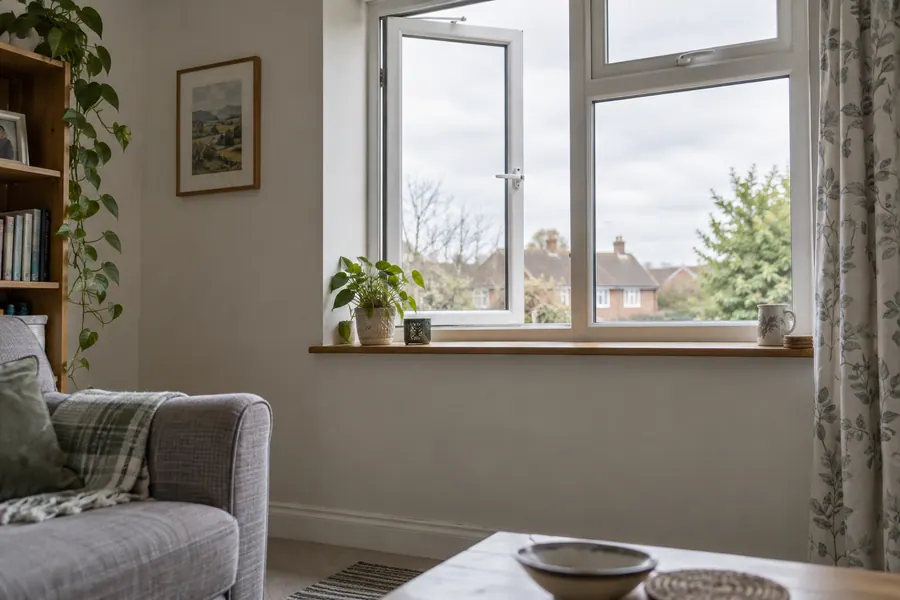

Keep photographs, dates, earlier product names and repair details ready. Explain furniture or fixed units restricting inspection without moving heavy objects or opening walls. Ask what belongings need clearing and how occupants should be accommodated. For handover tasks, a separate tenancy clean has its own scope rather than replacing mould assessment.
Do not mix products or improvise treatment while obtaining the quote. Explain previous applications and relevant occupant needs. HSE advice for cleaning substances sets out precautions; room arrangements should follow the agreed work and its instructions.
For symptoms or personal health concerns, contact a healthcare professional. Official damp and mould guidance explains risks and moisture action. A price or patch photograph cannot provide a medical diagnosis or promise a health outcome.
Retain treatment instructions and clarify any further moisture checks or repairs. Report new wetting or returning growth with the location and date, distinguishing it from an old cosmetic mark. A better-looking face does not prove a hidden defect is resolved. Regular domestic tasks remain separate and do not offer ongoing mould remediation or prevention guarantees.
Ask which stages and surfaces are included. Their scope should be named rather than inferred from a general room amount.
Compare the agreed work, access and investigation as well as the total. Different scope can make the amounts unlike-for-like.
It does not establish hidden extent or material condition. Describe uncertainty honestly and discuss appropriate assessment.
Do not assume inclusion. Identify recommended repairs, who will do them and which amount or appointment covers them.
Ask for the revised work and total to be explained before agreeing additional tasks.
They concern a different service. Describe mould directly so suitable assessment, treatment and price can be discussed.
Call with your Harrow postcode, photographs and work concerns. Discuss suitable assessment and the tasks to be quoted.
Generated photographs illustrate affected surfaces and room conditions. They are not customer cases or evidence of treatment results.