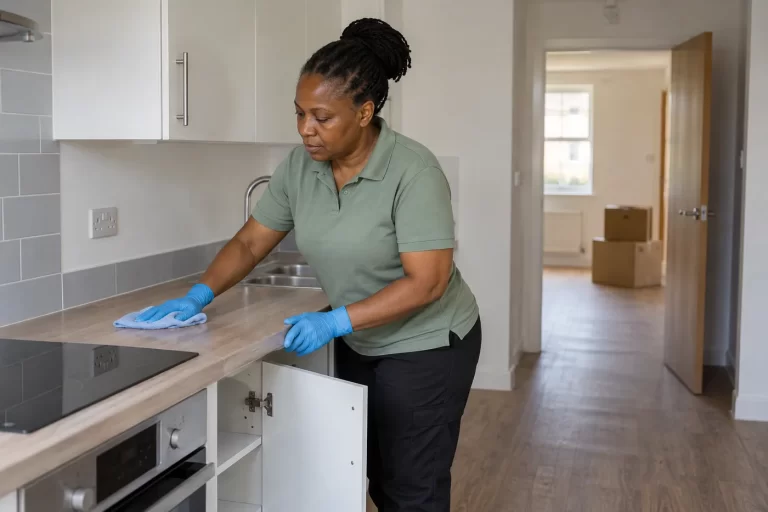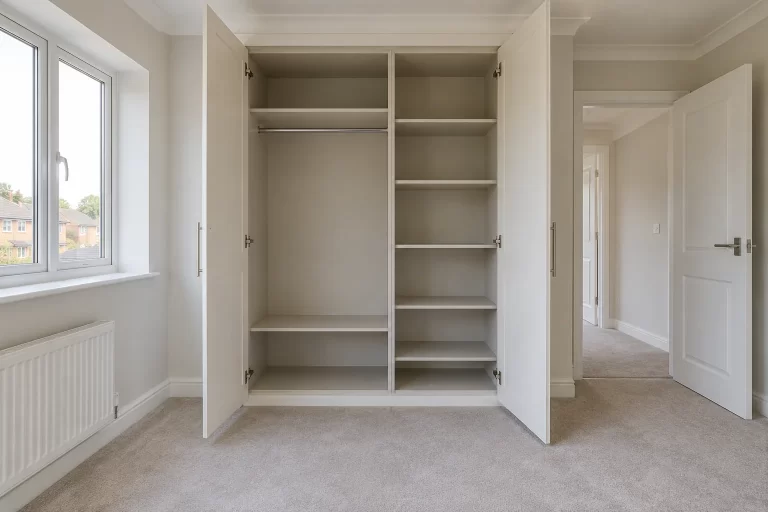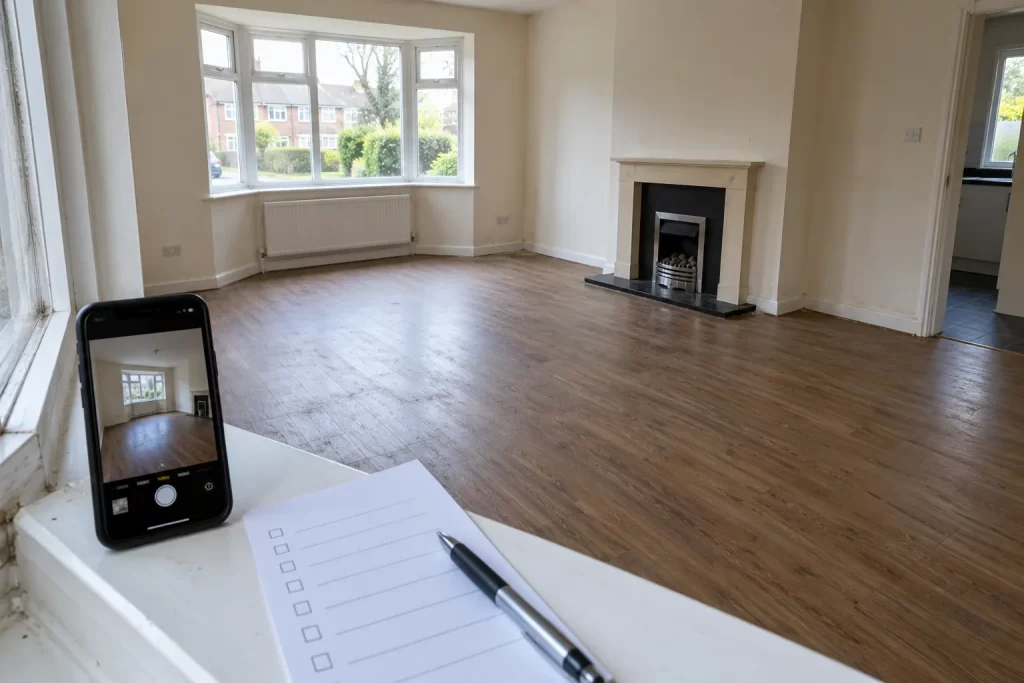
Before an end-of-tenancy cleaner starts, photograph each room and note any existing chips, scratches, cracks, stains, leaks, loose fittings and areas the team cannot reach. Pair a wide room image with clear close-ups, record the date and exact location, and share a short written note with the person arranging the clean. Separate an item that needs cleaning from an item that needs repair. If a cupboard is full or a sofa still blocks a wall, record the access limit before work begins. This simple preparation helps everyone agree what the cleaning visit can reasonably cover.
A cleaning appointment often happens in a narrow gap between removals and handover. In that rush, a cracked tile may be mistaken for a mark to scrub, or a cupboard interior may be included in a checklist although boxes still prevent access. The aim of a pre-clean record is practical: show the starting condition and make the agreed scope clear. It does not replace a formal inventory or decide who is responsible for damage. mydeposits guidance on inspections recommends objective descriptions of both condition and cleanliness, supported by photographs.
Walk through the property before equipment comes in
Start while the rooms are as empty as they will be for the appointment. Take a wide image from each doorway, then move clockwise and photograph fixed features: floors, skirting, doors, windows, cupboards, worktops, bathroom fittings and appliances included in the agreed scope. Use good light and keep the camera steady. A close-up of a tiny chip without a wider view may be hard to place later. Take one context photograph and one detail photograph for each issue, with an object or tile line to show scale if useful.
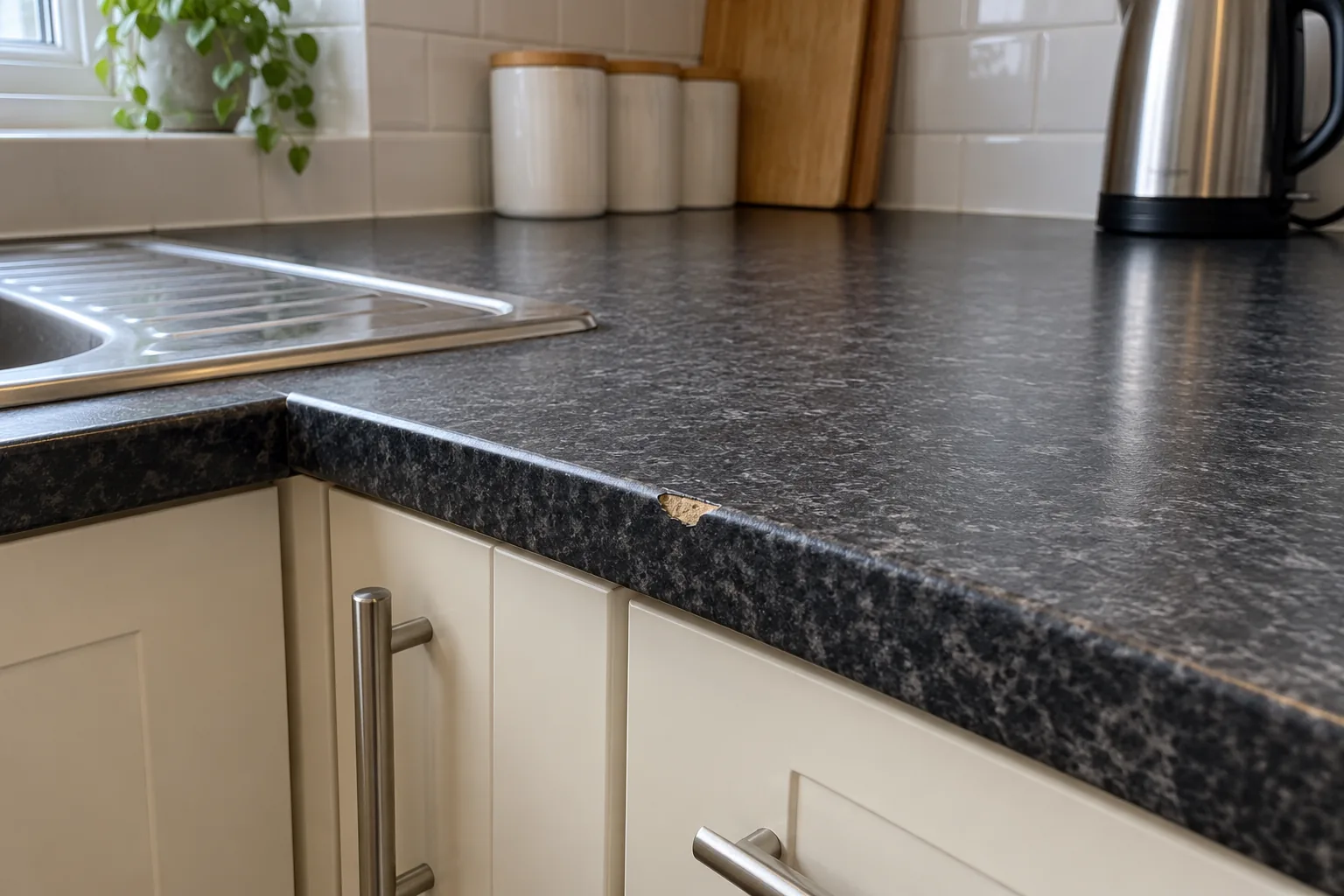
Write a brief note alongside the image: “kitchen, worktop by sink, small chip on front edge”, for example. Avoid vague labels such as “bad condition” or “needs attention”. State what you can actually observe. If the mark changes appearance when the surface is wet, photograph it dry before anyone cleans. If a room is too dark, use another light source rather than editing the image to make a stain look stronger. Save the original files. mydeposits photo guidance says good lighting, an indication of scale and a numbered link to written room descriptions make photographs more useful.
This record is most useful when it is made before cleaners move small items, apply products or wipe a surface. If a professional inventory already exists, use its room names and descriptions to keep your notes consistent, but do not treat a few phone pictures as a substitute for that separate process. Keep private documents, keys and personal details out of the images where possible.
Separate dirt, staining and physical damage
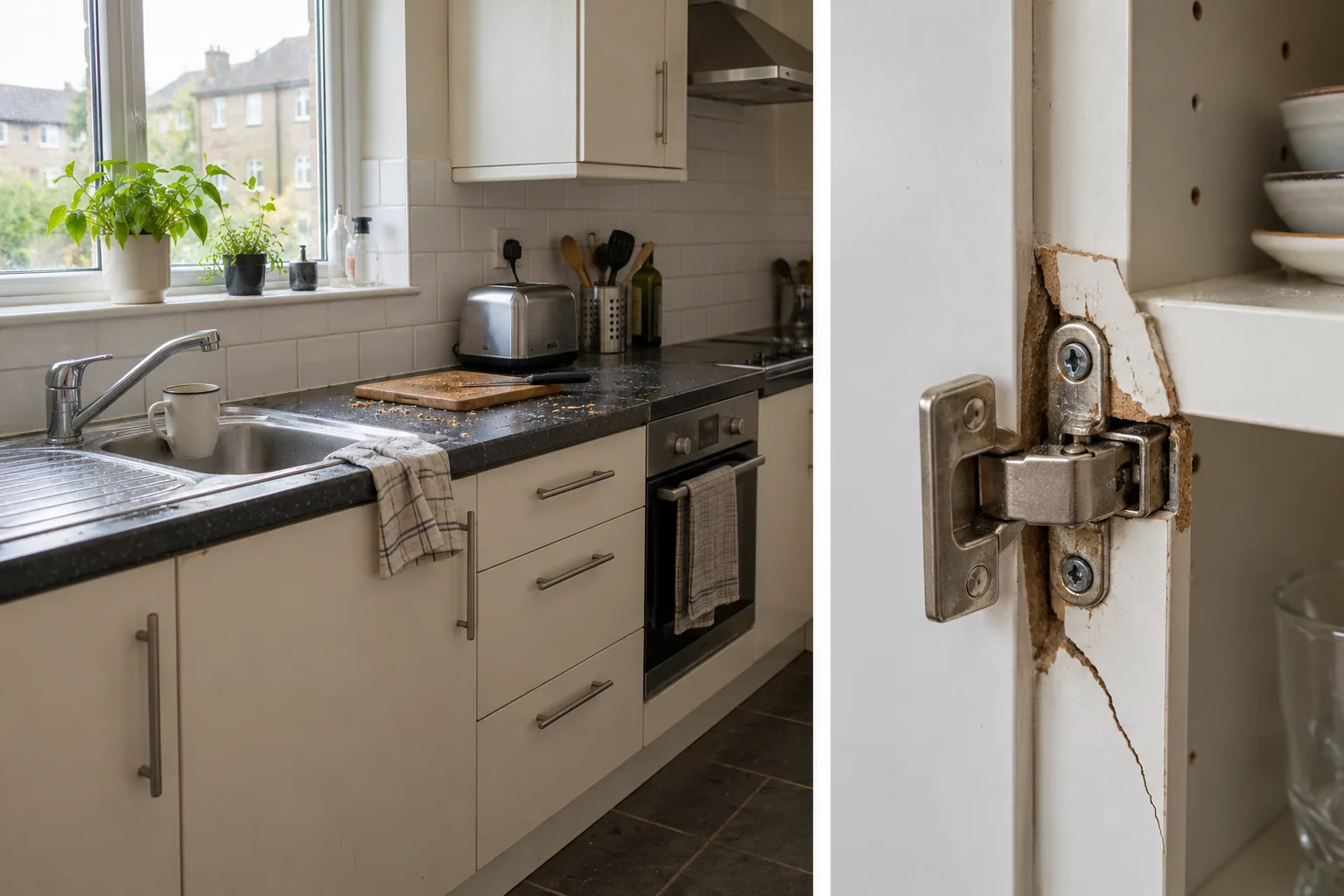
As you walk, ask what action the cleaner can take. Loose crumbs on a shelf are ordinary cleaning. Grease on a hob may need a compatible degreasing method. A chipped worktop edge, cracked basin or missing grout is physical damage; scrubbing will not restore it. A dark patch inside porous material may be staining or moisture, not surface soil. Record those differences plainly and do not invite an aggressive treatment just to make the issue disappear before handover.
For each item, note whether it is “cleanable surface”, “mark requiring assessment”, or “repair/maintenance”. These are working labels, not judgements about cause or liability. The cleaner may reasonably wipe around a damaged fitting while avoiding pressure on a loose piece. If the finish is flaking or a tile is unstable, tell the team before they touch it. Give them the chance to adjust the method or exclude that section. A sensible cleaner should not be expected to repair a defect as part of a cleaning booking.
Take particular care with water and electricity. A leak beneath a sink, a loose socket, damaged appliance cable or wet wall needs maintenance attention. Do not ask a cleaner to move a live appliance or use liquid near a damaged fitting. Photograph the issue from a safe distance and report it to the responsible property contact. A cleaning appointment should not proceed into an unsafe area simply because it appears on a room checklist.
Our end-of-tenancy handover checklist covers the wider sequence of preparing for inspection. This article focuses on one earlier step: agreeing the starting condition before the cleaner works. The two records should use consistent room names so a later check does not confuse a repair issue with a missed cleaning task.
Record access limits as carefully as marks
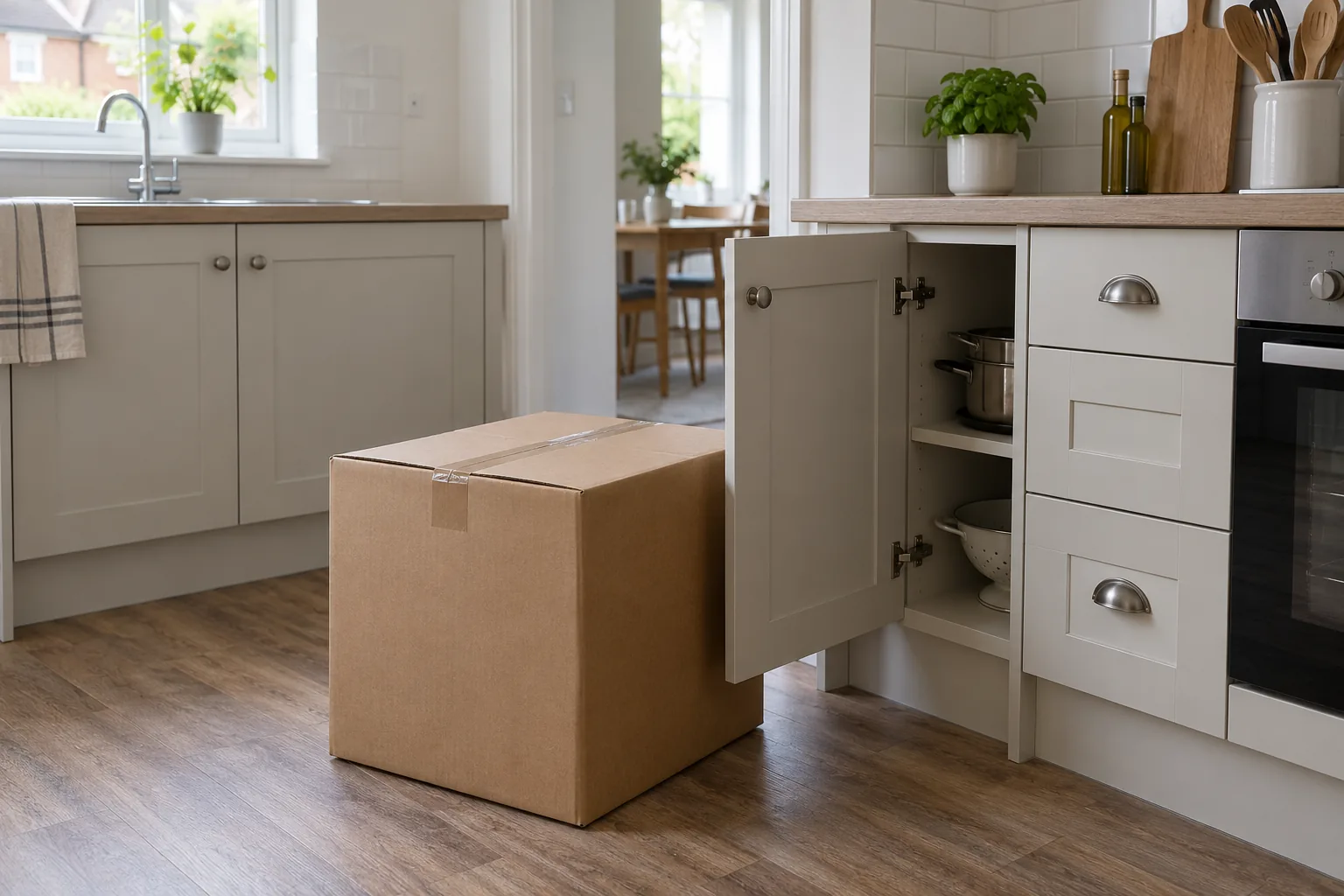
A cupboard interior cannot be cleaned properly if it is still filled with possessions. A cleaner may not be able to reach behind a heavy wardrobe, inside a locked room or beneath a large appliance. Note each limit with its location and the reason: “hall cupboard contains four boxes” or “utility appliance cannot be moved safely”. Photograph the area from the doorway or open door so the limitation is visible without rummaging through private belongings.
Decide whether the obstruction can be removed before the appointment. If removals are still underway, ask when the room will be clear and update the cleaner. Do not assume the team will move heavy furniture, dismantle an appliance, dispose of belongings or unlock an area as part of the normal clean. Those tasks need a separate agreement and may affect time and equipment. If you cannot clear an area, mark it as excluded or limited in the scope note instead of leaving a hidden expectation.
Check access to water, electricity and parking if they are required for the booked service. Note any appliance that does not work, a locked external store, or a room where construction work is continuing. These may change the order of work or make a task impossible. A short call before the visit is better than discovering the issue after the team arrives.
Send one clear note and keep changes traceable
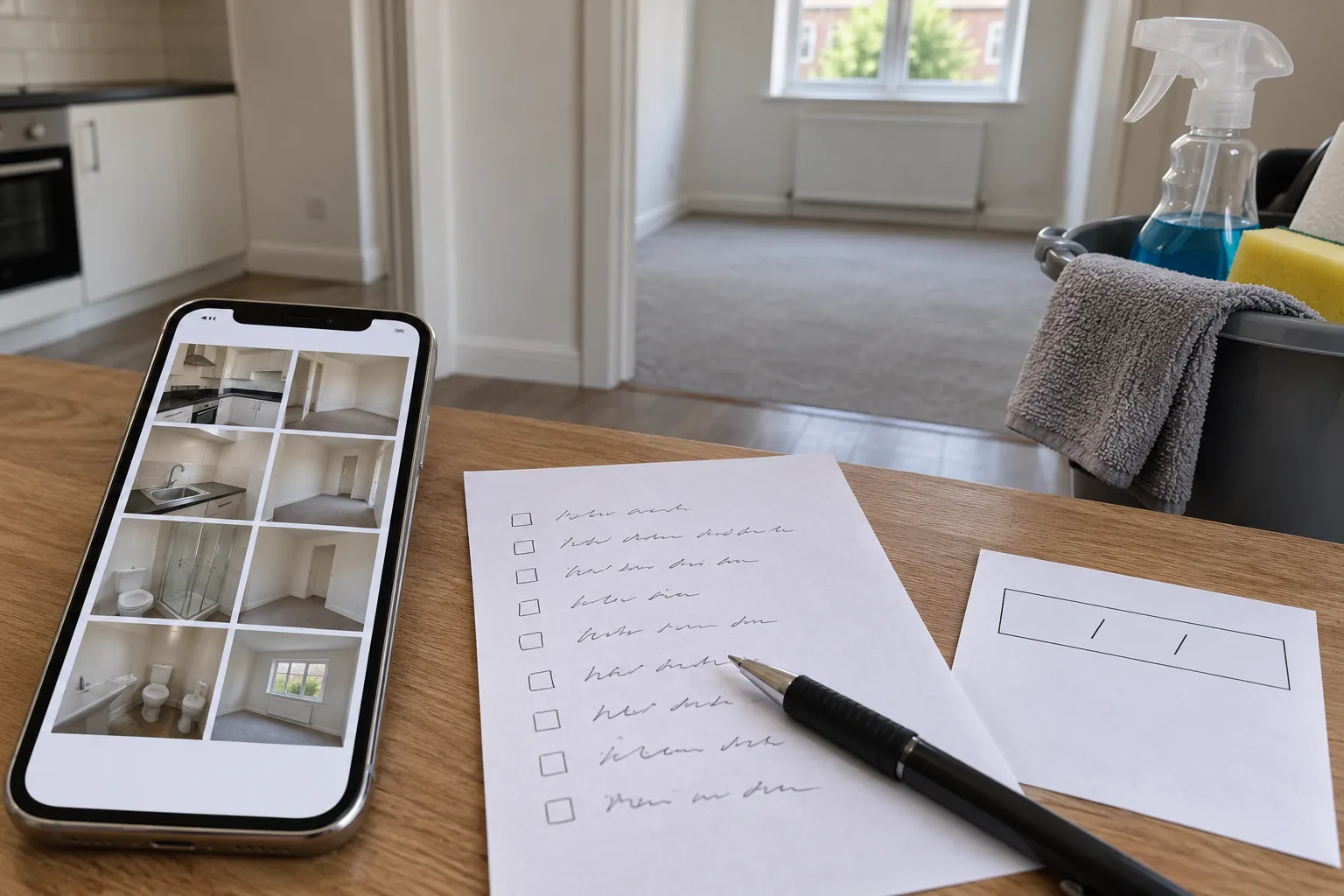
Share a concise room-by-room message with the booking contact. List the issue, its photo number, and whether it affects cleaning or access. For example: “Bathroom: chipped basin rim, photo B3; clean sound surfaces around it, no abrasive treatment on damaged edge.” Or: “Bedroom 2: wardrobe still full; interior excluded until emptied.” State any priority areas if the time booked is limited. Ask the cleaner to acknowledge any change to the agreed scope before the visit begins.
Keep the original images and note in one folder with a clear date. If the property condition changes after you take the photos, add a new dated entry rather than silently replacing the old one. mydeposits advice on using photos says pictures are most useful when paired with written descriptions and a clear way to identify the date and area. Although that guidance concerns tenancy records, the same clarity helps a cleaning team understand the starting point.
At arrival, walk through any high-risk or inaccessible spots briefly with the cleaner if possible. Show the actual location, not only a close-up on your phone. If the cleaner identifies a new fragile surface or a different access problem, agree and record the adjustment. Keep wording factual: “team could not access behind fitted unit” is clearer than “whole room finished”. A clean completed surface and an excluded surface should not be described as the same outcome.
Recheck after cleaning without rewriting the starting record
Once cleaning is complete, compare the accessible tasks with the agreed scope. Take fresh photos of finished areas in similar light and from similar angles where useful. Do not expect a chip or crack to vanish. A mark that remains may need a material-specific treatment or repair assessment, while a dusty accessible shelf is a cleaning question. Ask about any product or method the team could not safely use, and record the reason before the handover date.
The apartment move-out cleaning checklist can help you look over rooms and items, but the pre-existing condition note remains separate from the task list. If you book end-of-tenancy cleaning, send the room photos and access details ahead of time so the scope can be discussed with the actual property in mind. Cleaning, removal, repair and formal tenancy documentation are separate activities even when they happen in the same week.
The value of this preparation is shared clarity. A dated, objective note reduces surprises for the person booking, the team doing the work and whoever checks the property afterwards. It also helps prevent a well-intentioned cleaner from applying pressure or chemicals to a damaged surface that was never going to be restored by cleaning.
Common questions
What should I photograph before the cleaner arrives?
Photograph each room for context, then visible chips, cracks, stains, leaks, loose fittings and any area blocked by possessions or fixed furniture. Pair close-ups with location notes and keep the original dated files.
Is a stain the same as damage?
No. Some stains may respond to a compatible cleaning method; a chip, crack or loose fitting needs repair. A mark in porous material may need assessment. Describe what you see and avoid promising a cleaning result before the surface is identified.
What if removals are still happening on cleaning day?
Tell the cleaner which rooms or cupboards will be clear and when. Record any continuing obstruction, agree a revised scope and keep access limits in writing. Do not assume the team can work safely around boxes or move heavy belongings.