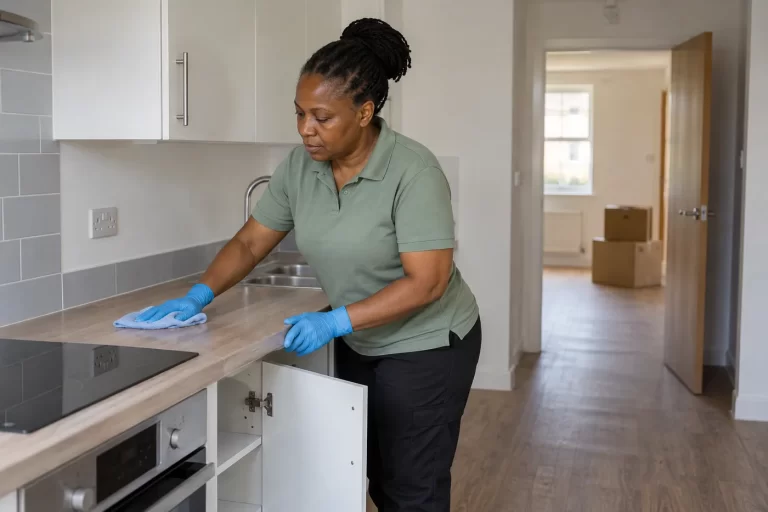
If removals run late on the day of a booked end-of-tenancy clean, contact the cleaning company as soon as the delay is credible. Say which rooms are empty now, which remain blocked, when the van is expected and whether the property still has safe access, water and power. Ask to agree a revised task list: the team may be able to start in clear rooms, postpone obstructed areas or reschedule part of the work, depending on the booking. Record the agreed change in writing. Do not expect cleaners to work around active lifting, clear possessions or deliver the original whole-property scope in less usable time.
Moving day has several linked deadlines, and a delayed van can change the cleaning plan even if the cleaners arrive on time. The original quote may assume an empty property, access to cupboards and floors, and a clear period to work. If boxes still fill a room, those assumptions no longer hold. This article is about practical communication and safe sequencing, not a claim about any particular company’s cancellation terms. Check the terms of your own booking before agreeing changes.
Tell the cleaner early what has changed
Give a clear update rather than “we are running behind”. State the booked start time, the best current estimate for removals, and what is actually accessible. For example: “Kitchen and bathroom are empty; two bedrooms still contain packed furniture; removals expect another two hours.” If the estimate is uncertain, say so. The cleaning team can then decide whether the remaining time and access support the booked work. A late notice after the team has travelled limits options.
Send a few current photos if requested, but pair them with a short written room list. A photograph may show boxes without making clear that a cupboard is still full or that the electricity is disconnected. Note keys, entry instructions and who will be on site. If a property manager must approve a schedule change, identify that person immediately so decisions do not wait until the cleaner reaches the door. Keep one contact coordinating the update; several conflicting messages create confusion.
Read the booking terms for changes to start time, extra hours, cancellation or return visits. Do not assume these are automatically included. Ask the company what it can accommodate and get the revised plan confirmed. If you have a check-out appointment soon afterwards, explain that deadline, but do not pressure the team to skip drying time or work unsafely. A realistic partial clean with clear exclusions is more useful than an unrecorded promise that everything will somehow be finished.

Mark rooms as clear, limited or unavailable
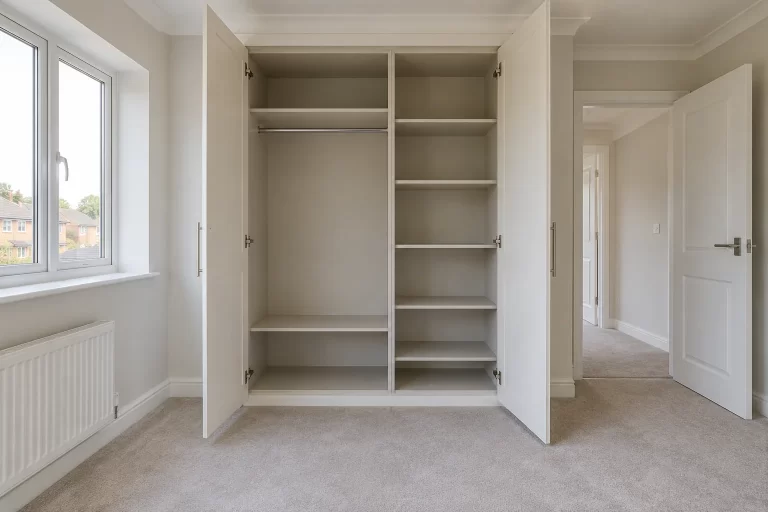
Walk through the property and make three columns. “Clear” means the room is empty enough for agreed surfaces, storage and floor to be reached safely. “Limited” means some tasks are possible but an item blocks a defined area. “Unavailable” means removals, boxes, locked access or a safety issue prevent cleaning. Use specific descriptions: “bedroom wardrobe interior still full” is more actionable than “bedroom mostly done”. Ask the cleaner to confirm which tasks remain in scope for each room.
Prioritise fixed areas that are truly ready. An empty bathroom might be completed while a van is loaded elsewhere, provided cleaners and movers are not crossing the same narrow route. A clear kitchen may be workable if appliances and cupboards are accessible. Do not start a floor wash in a hallway that movers will immediately cross with wet shoes and furniture. HSE guidance for cleaners stresses planning cleaning at the right time and controlling wet floors and trailing leads. A shared moving route can turn finished work back into a dirty or unsafe area.
If only a few rooms are clear, ask whether the cleaner can focus on those and leave the rest for another visit. This is a change to the agreed scope, not simply a change in task order. Document what was done, what was postponed and any extra time or fee agreed under the booking terms. The end-of-tenancy handover checklist can help you track remaining areas, while the actual contract sets what the cleaner was booked to do.

Keep removals and cleaning routes separate
Two teams working in the same doorway can obstruct each other. Agree a zone and time for cleaners, and tell movers not to re-enter that zone with furniture or packaging. Keep corridors, stairs and exits clear. Move packing materials and bin bags out of walkways rather than leaving them for the cleaning team to step around. HSE’s slip-and-trip guidance identifies discarded boxes, rubbish and cleaning leads as trip hazards, and recommends communication and clear housekeeping during cleaning work.
Do not ask a cleaner to shift a heavy sofa, washing machine or cabinet to create access while movers are busy. That may require different people and equipment, and it can damage floors or fittings. Do not stack boxes in a freshly cleaned room simply because it is empty. If belongings must remain temporarily, designate one uncleaned holding area and tell the cleaner exactly where it is. Ensure there is a safe path to water and electrical outlets that the team is authorised to use.
If a room becomes available later, allow time for surfaces to settle and for dust from the move to be collected. A last-minute rush through the room may not leave time for careful product selection or full drying. Do not send the team into a space where furniture is still being lifted or cables are loose. Delaying a task is better than an avoidable injury or a scratched surface.
Agree the revised scope in plain language
After the first update, ask for a simple list: rooms to be cleaned today, tasks excluded because of access, tasks deferred, expected finish time and the plan for any follow-up. If the company cannot extend or return, decide what you can safely do yourself later and what needs a separate booking. Ask how the change affects the agreed price under the service terms. This conversation is most useful before work starts, while priorities can still be adjusted.
Avoid asking the team to “do what you can” without priorities. One person may assume that means focus on bathrooms, while another expects every room’s floor. Name the most important accessible tasks and their order. Include any known fragile or damaged surfaces. If a cupboard remains full, record that its interior cannot be completed. If an appliance is not connected, specify that it cannot be tested or cleaned by a method requiring power.
Put the final list in a message or booking note that both sides can reference. If circumstances change again, update the list rather than relying on an old estimate. A written record helps at handover because it distinguishes work completed, work excluded and work never booked. The practical sequence still matters when removals and cleaning fall on the same day: a task cannot be marked complete while belongings prevent access.

Reinspect after the van has gone
When removals finish, walk every room again. Furniture can leave dust, crumbs, marks or packing debris that was not visible earlier. Check skirting behind large items, cupboard interiors that were previously blocked, and the route used by movers. Tell the cleaner promptly if new work appears and ask whether it fits the revised scope and time. Do not assume the team saw a surface that was covered throughout its visit.
Photograph areas that remained inaccessible and note when they became clear. If a repair issue is revealed, separate it from cleaning. A scratched floor or chipped worktop will not be fixed by an extra wipe. Our apartment move-out cleaning checklist can help with a final visual pass after belongings leave, but it should not be used to claim a blocked task was completed.
If you need to book another visit, provide the current empty-room photos, the first team’s completed list and any new priorities. That avoids paying for unnecessary repetition and lets the next team plan materials and time. If you are considering end-of-tenancy cleaning, confirm whether the property will be empty at the start and flag any dependency on the removals schedule when arranging the appointment.
The useful contingency is simple: communicate early, protect safe access, choose achievable tasks and record the change. A delayed van changes the workspace, so the cleaning scope must reflect the rooms that actually exist at the time the team can work.

Common questions
Can cleaners start while movers are still inside?
Only if the cleaning company agrees and there are genuinely clear, separate, safe work areas. Keep moving routes and wet cleaning apart, and do not ask either team to work around obstructed doorways or active lifting.
Does a late van automatically mean the cleaning can run later?
No. Availability and charges depend on the booking and the company’s schedule. Contact them early, explain the likely delay and agree a revised scope or timing under the actual terms.
What should I record after a partial clean?
List completed rooms and tasks, areas excluded by belongings or access, anything deferred, and the agreed next step. Recheck the property once removals end and photograph newly exposed areas before another cleaning visit.