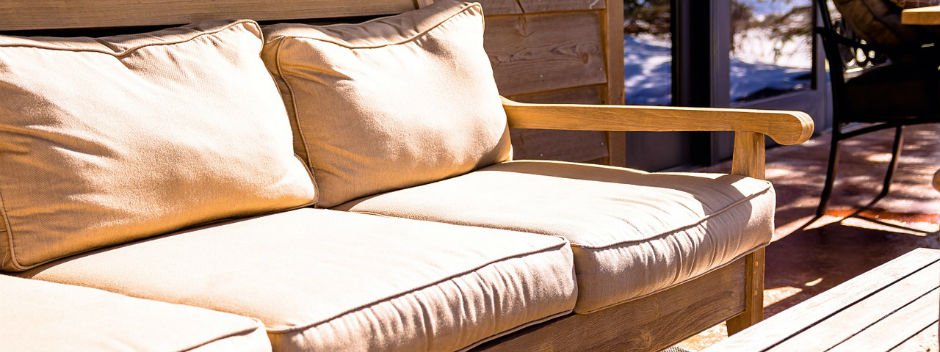
Is your yard not ready for the summer?
Don’t worry, because dealing with stained or weathered outdoor furniture is not as time-consuming as it may sound. To have your garden furniture looking its best, we recommend cleaning it on a regular basis, as well as storing everything indoors before the winter hits.
In the meantime, let’s take a look at what you can do if you didn’t have the time (or motivation) to give your chairs and tables a proper, “head-to-toe” treatment.
How to Clean Plastic Outdoor Furniture
Check the plastic furniture’s care instructions and clean with the permitted product and a soft tool. Some coatings need different care, so a homemade acid mixture should not be the default. Read cleaning-product safety advice.
If a stain remains, ask the furniture manufacturer about a suitable treatment. Do not apply full-strength vinegar or automotive wax unless that furniture’s care instructions allow it.
White plastic furniture also needs its own care instructions. Automatic dishwasher detergent and bleach are not interchangeable furniture cleaners; use only the product and dilution permitted for the item.
How to Clean Teak Furniture
Ever wondered how to clean your teak table?
Well, the professional cleaners in London will give you some tips. For starters, you need to decide if you wish to leave the original finish or the silvery gray patina that has resulted from too much sun exposure. If you would like to preserve the cosmetic patina layer, then:
- Follow the furniture manufacturer’s instructions for teak cleaning and any permitted protector. Do not mix laundry detergent with bleach to make a general furniture treatment. Read cleaning-product safety advice.
If you wish to preserve the natural colours of your furniture and avoid the forming of a patina layer, then simply use a teak sealant. Doing so will protect your teak pieces keep mould and mildew away (or get rid of it), food stains, as well as general wear and tear. Generally, you get rid of stains the same way you do with carpets – with hassle and nerves.
Also, make sure to keep your garden accessories away from any water sources, especially if you have a pool in your yard.
Related read: How to Clear Up an Overgrown Garden Fast and Easy?
How to Clean Mesh Furniture
First things first – generally speaking, vinegar is not how you clean mesh patio chairs.
- Identify whether the mesh is fabric or plastic and check the furniture’s cleaning directions.
- Remove loose debris gently, then use the permitted cleaner and dilution.
- Rinse and dry as directed. Add bleach only if that specific material’s instructions allow it; do not mix it into an unidentified detergent.
How to Clean Glass Furniture
Stained glass tables are perhaps some of the easiest things to clean. All you need for this one is a bit of glass cleaner, some vinegar, a scrub brush, and a microfibre cloth. Here’s how it works:
- Remove loose debris with a soft non-abrasive tool.
- Use the cleaner approved for the glass and any coating; keep it off incompatible frames and finishes.
- Wipe and dry as directed. Do not combine glass cleaner and vinegar. See Pilkington’s coated-glass care example.
To maintain your table in good shape, make sure to wipe the underside once every month to keep it grime-free all year long. If possible, cover your glass table with a piece of clothing whenever it’s not in use. This way, you won’t have to clean the glass surfaces every week.
How to Clean Metal Furniture
Whether you own wrought iron, cast iron, or aluminum furniture, one thing is certain – you will have to deal with oxidation. Oxidation is a process where a certain element loses some of its electrons.
In other words, keep ammonia, trisodium phosphate, abrasive products, rain, and moisture (mould and mildew) away from your sturdy garden furniture as metals are highly vulnerable to oxidation.
Check the metal, coating and care instructions before treating corrosion. Use the permitted cleaner and inspect chips or rust; repeated vinegar washing is not a universal rust-prevention method.
In case the damage has already been done, do the following:
- Sand the rust along with the affected paint.
- Soak a cloth in mineral spirits and gently brush the surface.
- Use a rust-resistant primer before repainting the furniture.
How to Clean Outdoor Cushions
So far, we’ve taken a look at how to clean outdoor chairs and tables. But that doesn’t mean that we forgot about outdoor cushions. Here are the things you’ll need to refresh yours:
- Check the cushion fabric, filling and removable-cover care labels.
- Prepare the single cleaning product and soft tools specified for that fabric.
- Keep the manufacturer’s rinsing and drying instructions available. Read the material care guidance.
Clean and dry the cushion as its instructions direct, including whether the cover can be removed or the item rinsed outdoors. Do not saturate an unidentified filling or apply fabric protector unless the manufacturer permits it. Sunbrella guidance is an example for its own fabrics, not approval for every cushion.
If you have any troubles with outdoor mats, you can always contact London’s rug and carpet cleaning specialists at Star Domestic Cleaners. If you have a dirty grill, BBQ or Oven, consider our specialsied services. For cleaning Aga cookers, try yourself or simply get in touch.