Repeatedly wiping a wet window or mould patch is not a complete prevention plan. You need to understand how moisture enters, leaves and affects the home, including faults that ordinary cleaning cannot repair. These checks help you gather useful information and decide when appropriate assessment is needed.
Start with the moisture, not a judgement about housekeeping
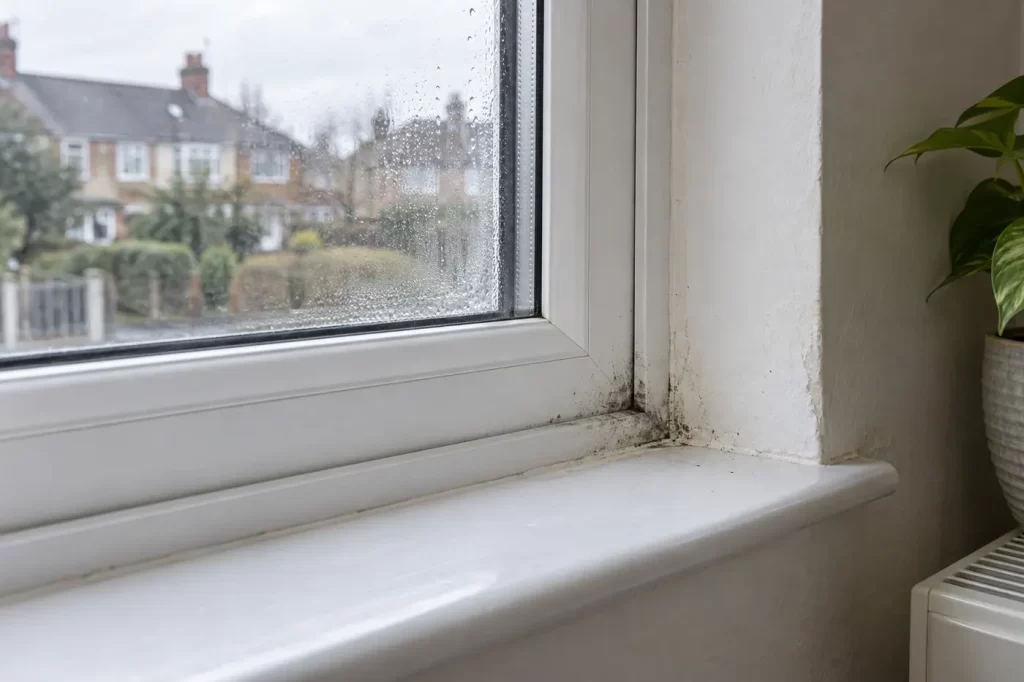
Condensation forms when water vapour meets a sufficiently cold surface and changes into liquid. You may notice it on a bedroom window in the morning or after a shower. Recurring wet surfaces and mould deserve attention, but they do not establish one cause. Ventilation, heating, insulation, leaks and the building’s condition can all matter. A home can be regularly cleaned and still have a damp problem.
Do not assume the answer is simply to open more windows or scrub harder. The practical first step is to record what happens, identify obvious moisture events and report faults. Reasonable changes to everyday use can help, but they should not stand in for repairing a leaking pipe or inadequate ventilation. England’s government damp and mould guidance makes the underlying cause central to the response.
This is a prevention and assessment guide, rather than a recipe for removing every mould patch. If growth is widespread, recurring or affecting damaged material, describe the situation before disturbing it. The mould assessment and treatment information explains the details needed for an enquiry.
Keep a short observation record
For a few days, note where wetness appears, when you see it and what was happening nearby. Record a shower, cooking, laundry drying, heavy rain or a known plumbing incident if relevant. This is not a test to prove that one household activity caused the problem. It is a way to provide a clearer history to someone assessing the home.
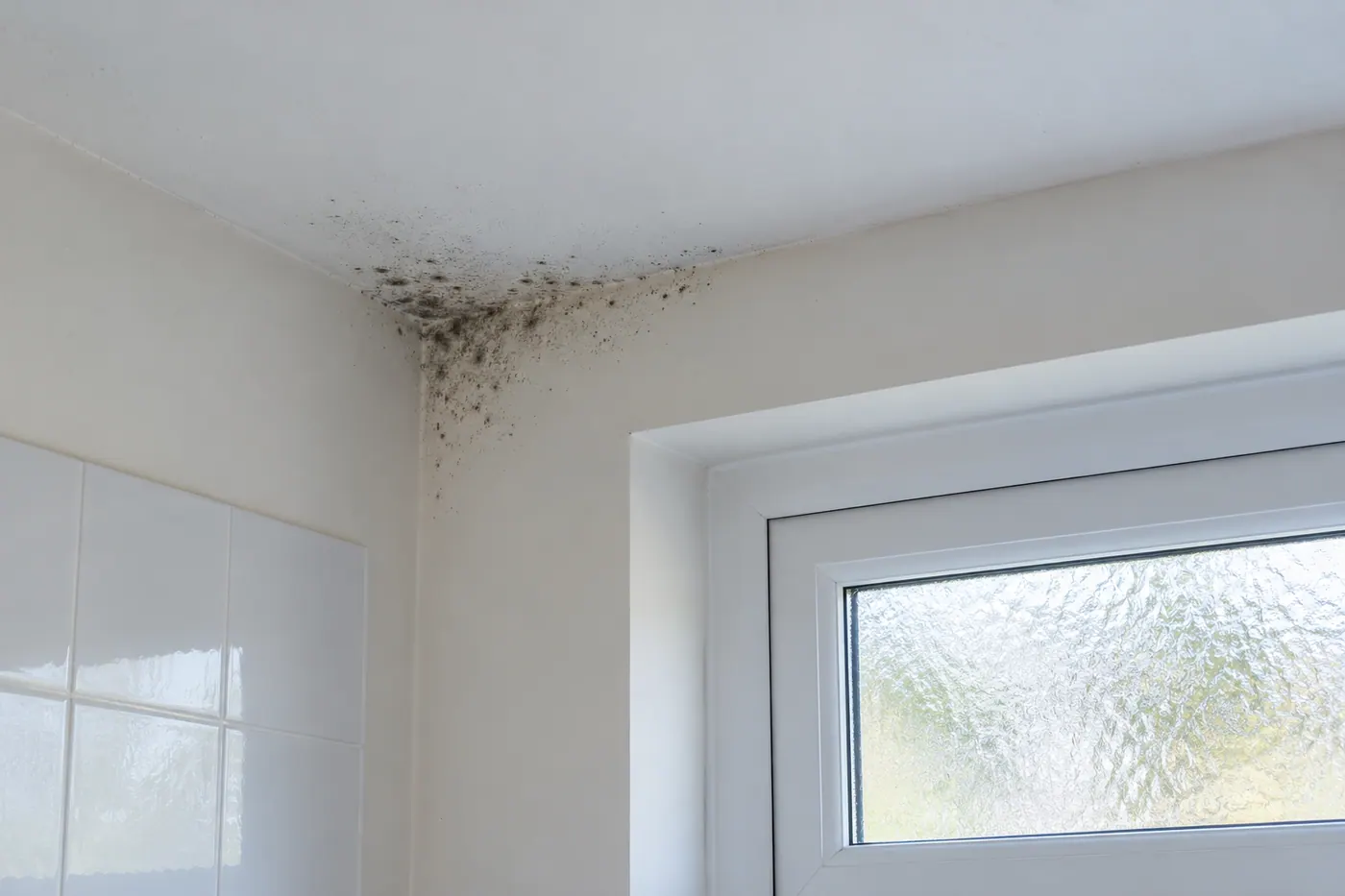
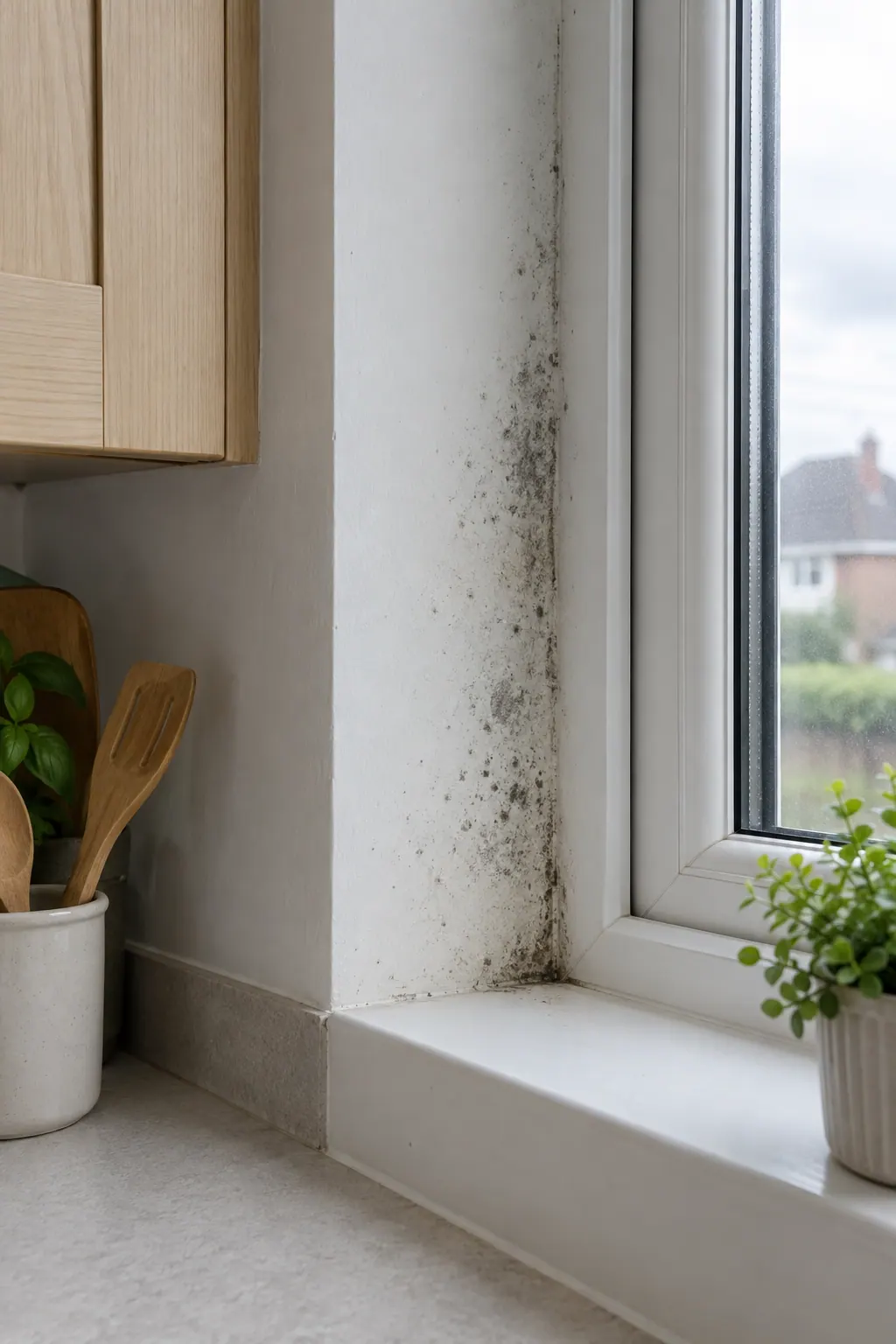
Take a wider photograph showing the room or window and a closer view of the affected surface. Add the date and say whether the patch is new, spreading or returning after earlier treatment. Include peeling paint, soft plaster, wet furnishings or another visible change. Do not scrape a surface or move a heavy fitted unit just to get a better picture.
Write down what you do not know. “The wall is damp, but no leak has been confirmed” is more useful than guessing that rising damp is present. Similarly, “the fan makes a noise” is an observation, not evidence that it removes enough moisture. Keep earlier inspection reports or repair messages with the record.

Check how moisture leaves the kitchen and bathroom
Cooking and bathing can add moisture to indoor air. Use the ventilation provided for those rooms under its instructions. Look for obvious blocked air paths and report an extractor that does not operate as expected. Do not dismantle powered equipment, reach into ducts or carry out electrical work to investigate it yourself.
A cooker hood may recirculate air rather than discharge it outside; check its documentation instead of assuming any fan removes moisture from the home. Keep accessible filters maintained as the manufacturer directs, with power isolated where its instructions require. If the system appears inadequate, ask the responsible owner or an appropriate professional to assess it.
After bathing, avoid leaving wet towels in a closed, poorly ventilated space. Use the room’s ventilation and drying arrangements sensibly, taking account of security and weather. A window that cannot safely be opened or a broken fan is a practical limitation to report, not something to hide in the household record.
Energy Saving Trust’s ventilation guidance explains the distinction between removing stale air and using devices such as dehumidifiers or air purifiers. It is useful when deciding what the room’s existing equipment actually does.
Look at laundry drying and crowded cold surfaces
Think about where moisture from wet laundry can go. Follow your tumble dryer’s installation instructions, including the arrangements required for its particular design. If clothes must dry indoors, discuss a suitable ventilated place rather than filling an unventilated bedroom with several wet loads. The home’s available space and equipment matter.
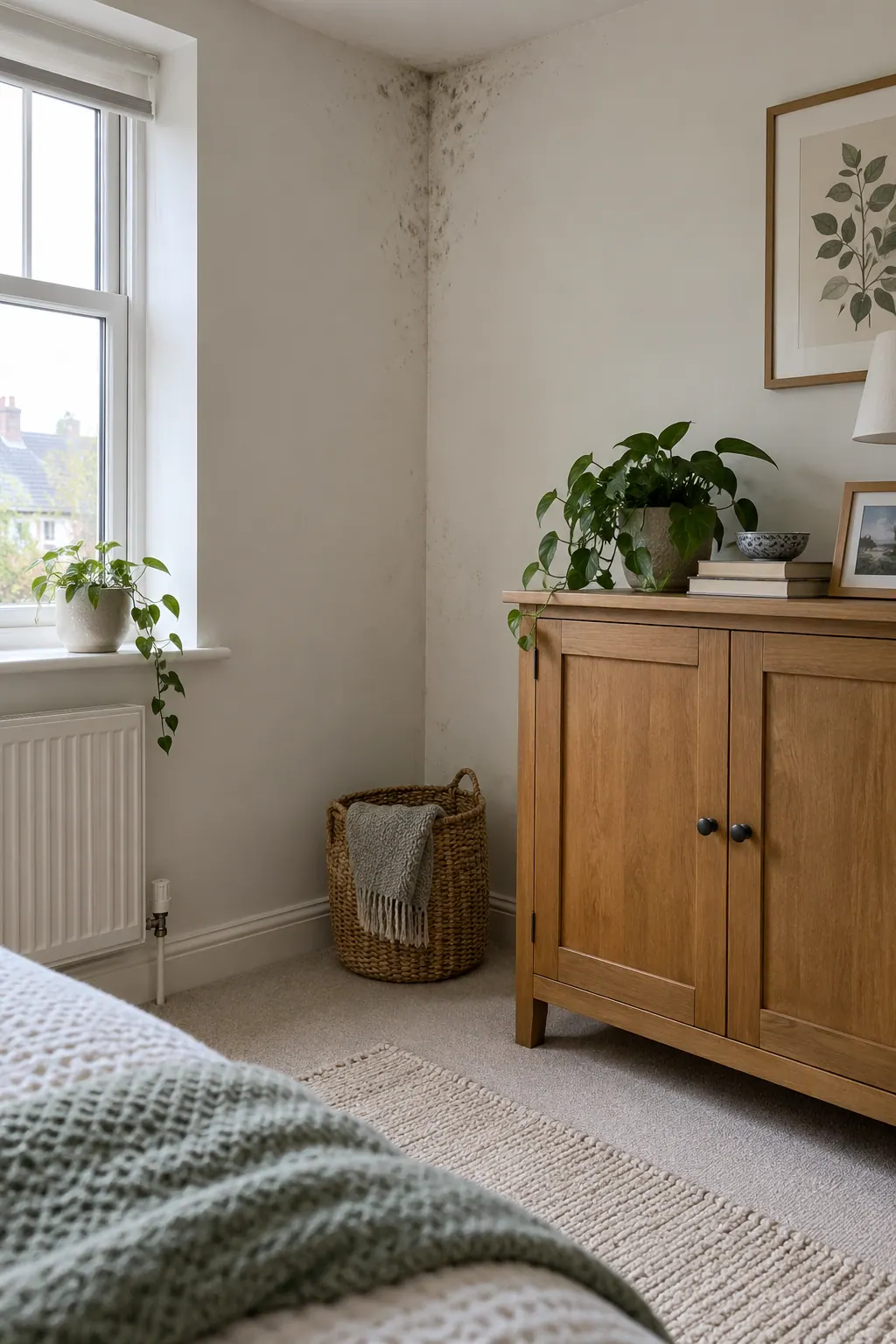
Check whether large furniture or tightly packed belongings conceal an affected wall. Describe that layout when seeking advice. Do not move a wardrobe alone or dismantle fitted storage to create a gap. The assessor may need to consider safe access and the surface condition before work is agreed.
Stored items can also need attention if they are damp. Photograph and list affected furnishings without shaking, brushing or sanding mouldy material. A cleaning appointment should not silently become disposal of damaged belongings. Ask which items can reasonably be treated, which need separate assessment and how they should be handled meanwhile.
Treat warmth, insulation and ventilation as connected questions
A cold surface can be part of the condensation problem, but turning the heating up indefinitely is not a complete diagnosis or a realistic answer for every household. Note broken heating, unusually cold areas and recent building changes. Explain cost or control limitations when discussing the home with a landlord or assessor.
New insulation, sealed windows or draught-proofing can change airflow as well as heat loss. Ask the installer what ventilation was intended with the work. Do not block purposeful vents to stop a draught or add more sealing where persistent condensation is already present without appropriate advice.
Energy Saving Trust’s damp advice discusses the relationship between insulation, moisture and ventilation. The useful question is how those parts work together in this building. A photograph of a wet window does not tell you which improvement or repair is needed.
If heating controls are shared, a fan is landlord-owned or you cannot alter the structure, put that information into the report. It helps the person responsible plan a practical response rather than recommend an action you cannot take. Keep the distinction between a temporary measure and a permanent repair clear.
Use a household check table
| Observation | Useful information to record | What not to assume |
|---|---|---|
| Wet window in the morning | Room, frequency, ventilation and nearby affected surfaces | That the glass is the only source of the problem |
| Mould behind furniture | Wall material, layout, recurrence and accessible photographs | That moving or wiping the furniture fixes the cause |
| Patch after heavy rain | Location, timing and any known external defects | That all damp is ordinary condensation |
| Extractor does not seem effective | Model information, operation and earlier maintenance | That motor noise proves adequate extraction |
| Persistent musty smell | Rooms, wet items and changes since it began | That fragrance or an air purifier resolves moisture |
Use the table to improve a report, not to diagnose the building from symptoms. If more than one row applies, include them all. A room can have both a ventilation issue and a leak. Choosing one explanation too early can mean an important repair is missed.
Understand what a dehumidifier or purifier can do
A dehumidifier removes moisture from the air passing through it, but it does not supply fresh air or repair a leak. Follow the appliance’s positioning, maintenance and electrical instructions. Check that its use is practical for the room instead of buying one as proof that the underlying problem has been dealt with.
An air purifier is different: it filters air. It is not a cure for damp, mould or a health condition. The EPA’s air-cleaner guidance explains that filtration does not resolve the moisture source. Avoid presenting a device’s smell reduction as evidence that concealed wet material is dry.
A humidity monitor can help record changing conditions, but a single reading is not a diagnosis. Note the room, time and what had happened nearby. Measurements are most useful alongside observations and competent assessment, rather than as a universal pass-or-fail number for every UK home.
Report concerns in a rented home
Tell the landlord or managing agent about recurring damp or mould and keep a record of the report. Give locations, photographs, dates and known defects. State any practical difficulty with heating, extraction or opening windows. Ask what inspection or work is planned, who is arranging it and how you will receive updates.
For England, Citizens Advice’s rented-home guidance explains why possible causes should be investigated rather than blame automatically being placed on the tenant. Use the advice appropriate to your UK nation and housing type. A cleaning website cannot determine legal responsibility for an individual tenancy.
If a report is not addressed, seek current advice from the appropriate housing or tenant advice service. Keep the actual correspondence and proposed repair details. Do not rely on an old blog post for every deadline or legal route, particularly where rules differ between social and private housing.
Recognise when cleaning is only one part of the work
Visible mould treatment and resolving moisture need to be described separately in the quote or assessment. Ask which surfaces are included, what is proposed for the cause and what remains outside the work. Repainting, replacing damaged material, plumbing and external repairs should not be assumed simply because a treatment appointment is booked.
If water appears to overflow from an external gutter, report that observation rather than climbing up to check it. Gutter-clearance enquiries require the building and access details; clearing debris is not proof that every internal damp problem has the same cause or has been fixed.
Ordinary household deep cleaning covers a different set of tasks. It should not be substituted for moisture assessment. Likewise, cleaning accessible window glass may remove ordinary dirt but does not repair failed seals, inadequate ventilation or a wet wall. Explain each concern so the work can be directed properly.
Avoid creating a new problem while trying to prevent one
Do not dry-brush, sand or disturb an affected surface to make the room look ready for inspection. Do not mix cleaning chemicals or apply several treatments without suitable advice. Explain products already used, including a coating or paint applied over earlier growth.
Follow the preparation instructions for any assessed work, including arrangements for occupants and belongings. Damp and mould can affect health; report practical needs and seek medical advice about symptoms rather than using the size or colour of a patch to diagnose an individual. The government safe-home guide identifies damp and mould as concerns needing attention.
Our older articles on recognising mould and musty smells address related questions. Keep prevention focused on moisture and appropriate assessment; hiding a smell or repeatedly cleaning the same patch is not a complete plan.
Check what changed after an intervention
Keep a record of repairs, equipment changes and treatment dates. Look again at the original locations and note whether wetness or growth returns. Share that information with whoever carried out or arranged the work. A room looking clear on the day of treatment does not show how it will behave during the next spell of rain or normal use.
Ask what follow-up is appropriate for the actual issue and how continuing concerns should be reported. Keep cleaning, moisture investigation and repair records together. The useful goal is an understood source and a workable response, not a promise that one wipe or one device will prevent mould in every circumstance.