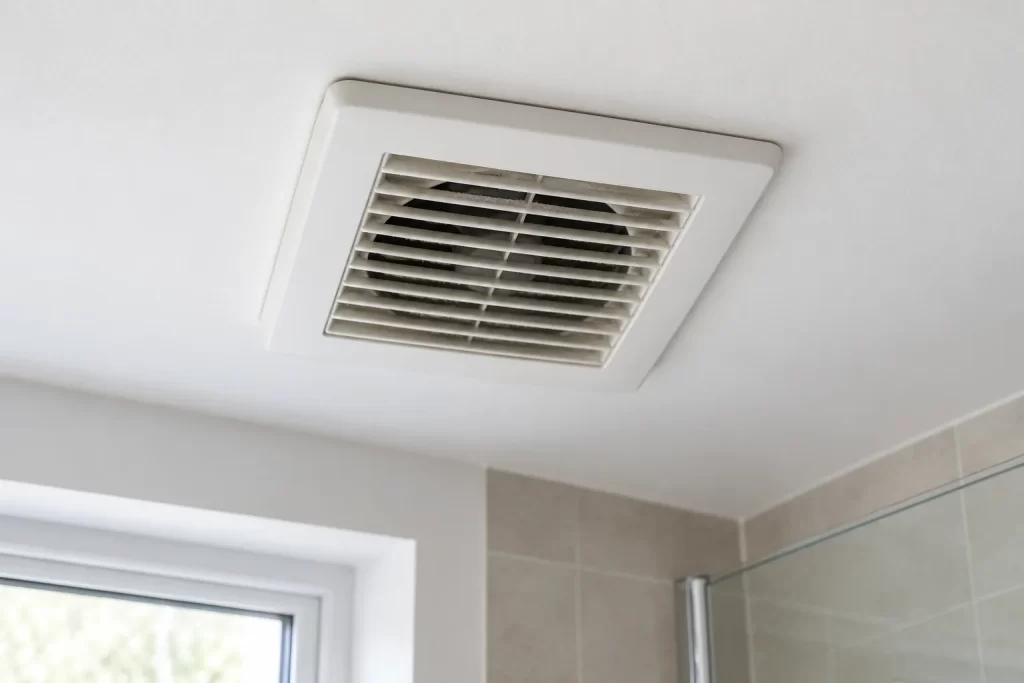
To dust a bathroom extractor fan safely, identify the model and read its cleaning instructions, then isolate its power using the correct fan isolator or circuit as directed. Wait until the fan has completely stopped. Remove only loose dust from the accessible outer grille with a soft brush, cloth or a vacuum attachment kept outside the housing. If the manual permits a lightly damp cloth on the front, wring it out well and keep moisture away from openings and electrical parts. Dry the surface before restoring power. Do not remove a cover or reach the blades unless the model’s instructions explicitly allow that work and you can isolate it correctly.
A bathroom fan is easy to miss during routine cleaning because it is often high on a wall or ceiling. Dust and airborne fibres collect on the intake, and a clogged grille can reduce airflow. Electrical Safety First’s extractor-fan advice recommends regular model-directed cleaning and warns that a blocked fan can overheat. The sensible household task is to keep its accessible exterior clear while leaving electrical servicing and installation to a registered electrician.
Find the model, switch and safe working position
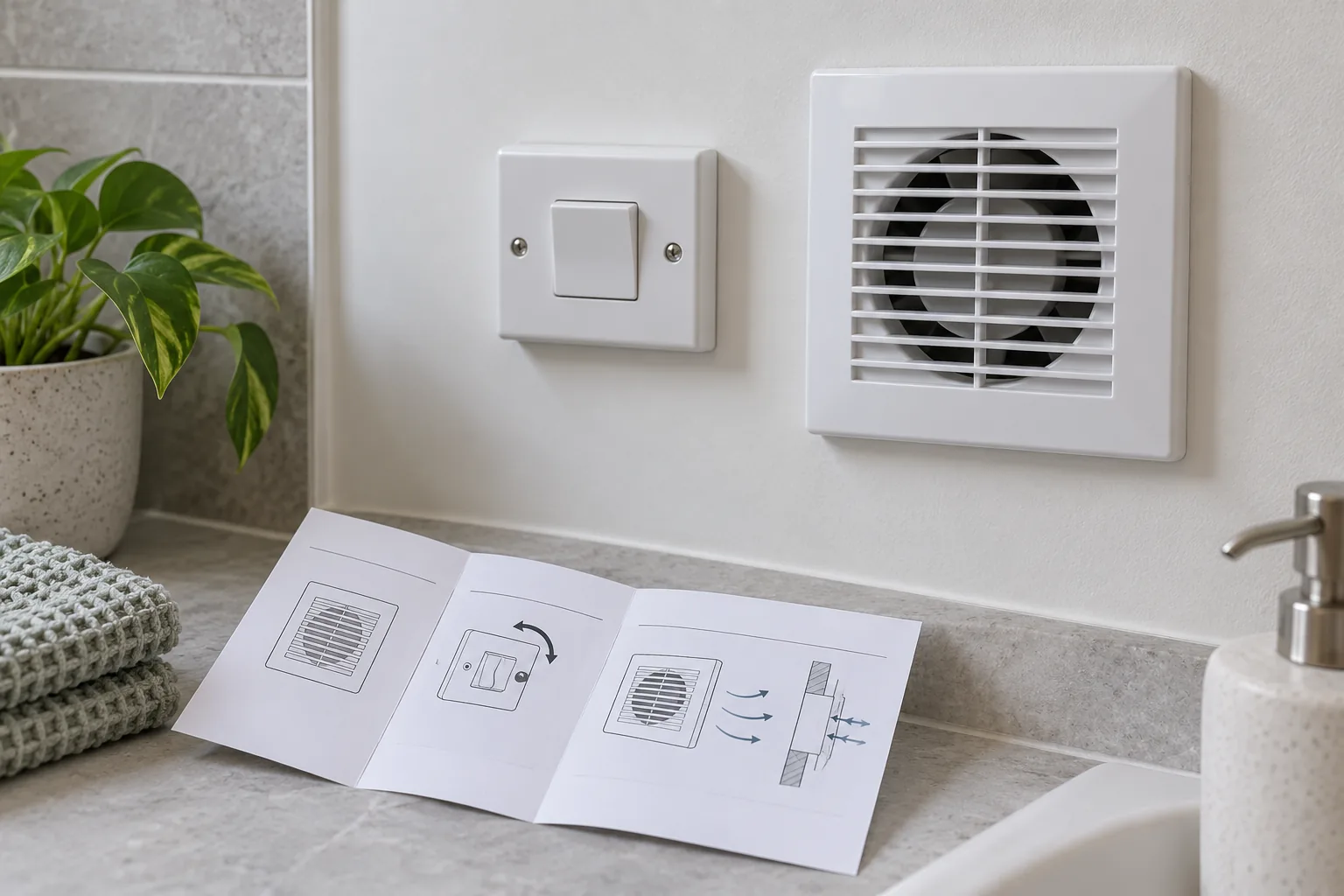
Look for the fan model on its paperwork or an accessible exterior label. Search the manufacturer’s site for the exact manual if the leaflet is missing. Fan designs vary: some front covers are removable for washing, while others are meant to be wiped in place. This guide focuses on surface dust, so there is no need to dismantle a cover, pull a grille away from the ceiling or access the motor. A cover that looks like it will simply pop off may conceal clips, screws or wiring; forcing it risks damage.
Find the correct isolator before touching the unit. Turning off a bathroom light may not stop a fan with an overrun timer or humidity sensor. Electrical Safety First’s cleaning reminder says to switch the fan off at the isolator or mains before cleaning and follow the manufacturer’s instructions. If you cannot confidently identify the isolator, leave the fan alone and ask a competent electrician or building manager. Never put a hand, brush or damp cloth on a running unit.
Choose a stable way to reach the grille. Do not stand on the bath rim, toilet or a wet chair. If the fan is beyond comfortable reach, use a suitable stable step platform on a dry, level floor or have someone equipped for the height do the task. Keep the bathroom floor dry and clear of bottles and mats that could slip. Safety at height matters as much as the electrical boundary.
Collect loose dust before using moisture
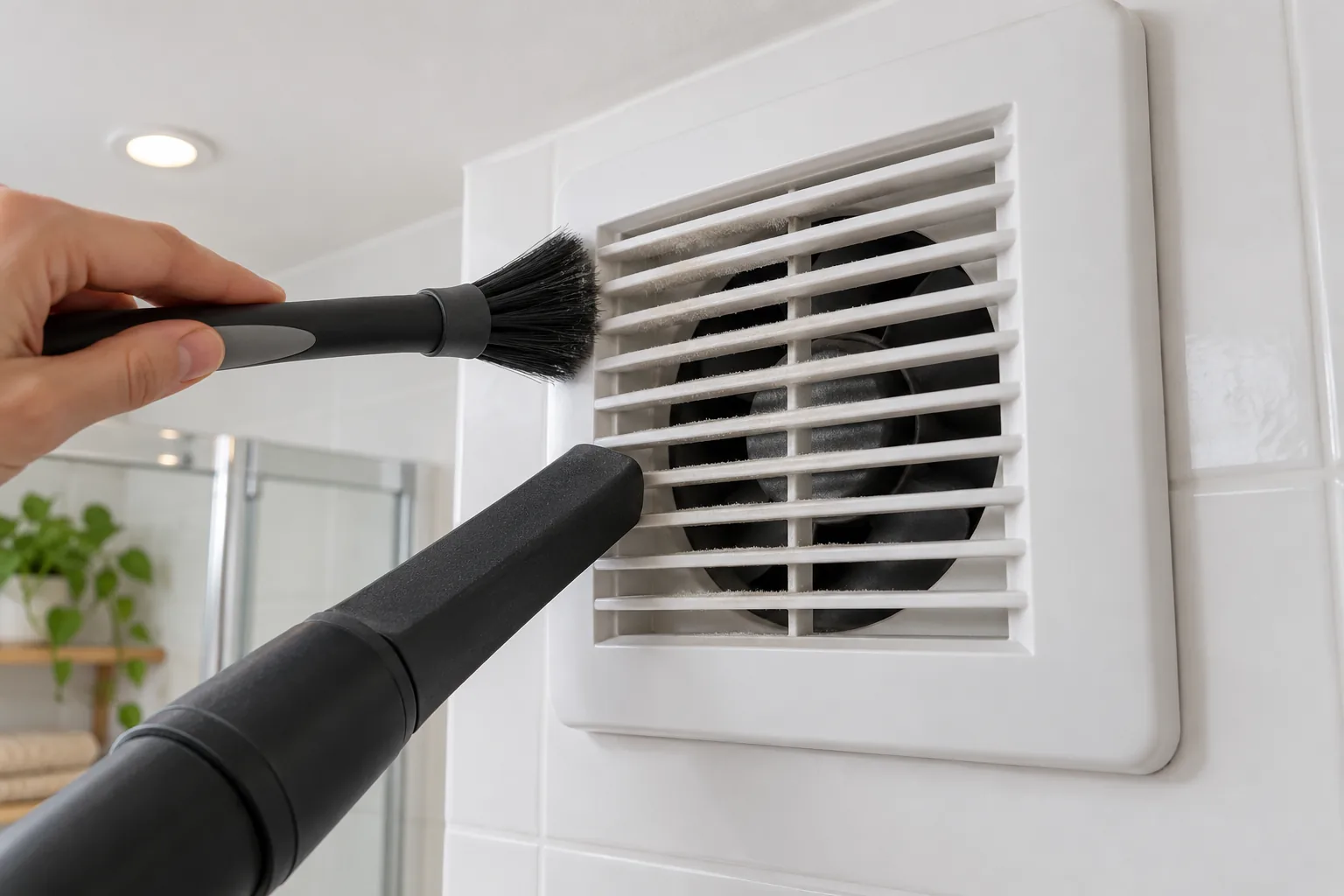
After isolating and waiting for the blades to stop, inspect the accessible front. Use a soft brush to lift fluff from the grille slots, catching it with a vacuum nozzle held close to the outer surface if practical. A vacuum brush attachment can work well, but keep it at the face of the grille rather than pushing it through. Work gently so you do not bend slats or push dust deeper inside. If a dust clump is stuck beyond the front face, do not poke a cotton bud, screwdriver or narrow tool into the housing.
Start with the surrounding ceiling or wall if it is dusty, then work towards the grille. This prevents fresh dust falling onto a cleaned intake. Keep any vacuum hose supported so it does not pull at a loose cover. Do not use powered vacuum equipment in a wet bathroom; use a dry hand brush instead if you cannot meet the vacuum maker’s electrical-safety instructions.
You can often see the benefit of this dry pass immediately: the openings are visible again and the dust is collected rather than spread across the room. Do not take this as proof of restored ventilation if the fan has been noisy, weak or stalled. Cleaning the outer face addresses only visible surface dust. Blocked ducting, a failing motor or an installation problem requires different inspection.
Wipe the face only as the manual allows
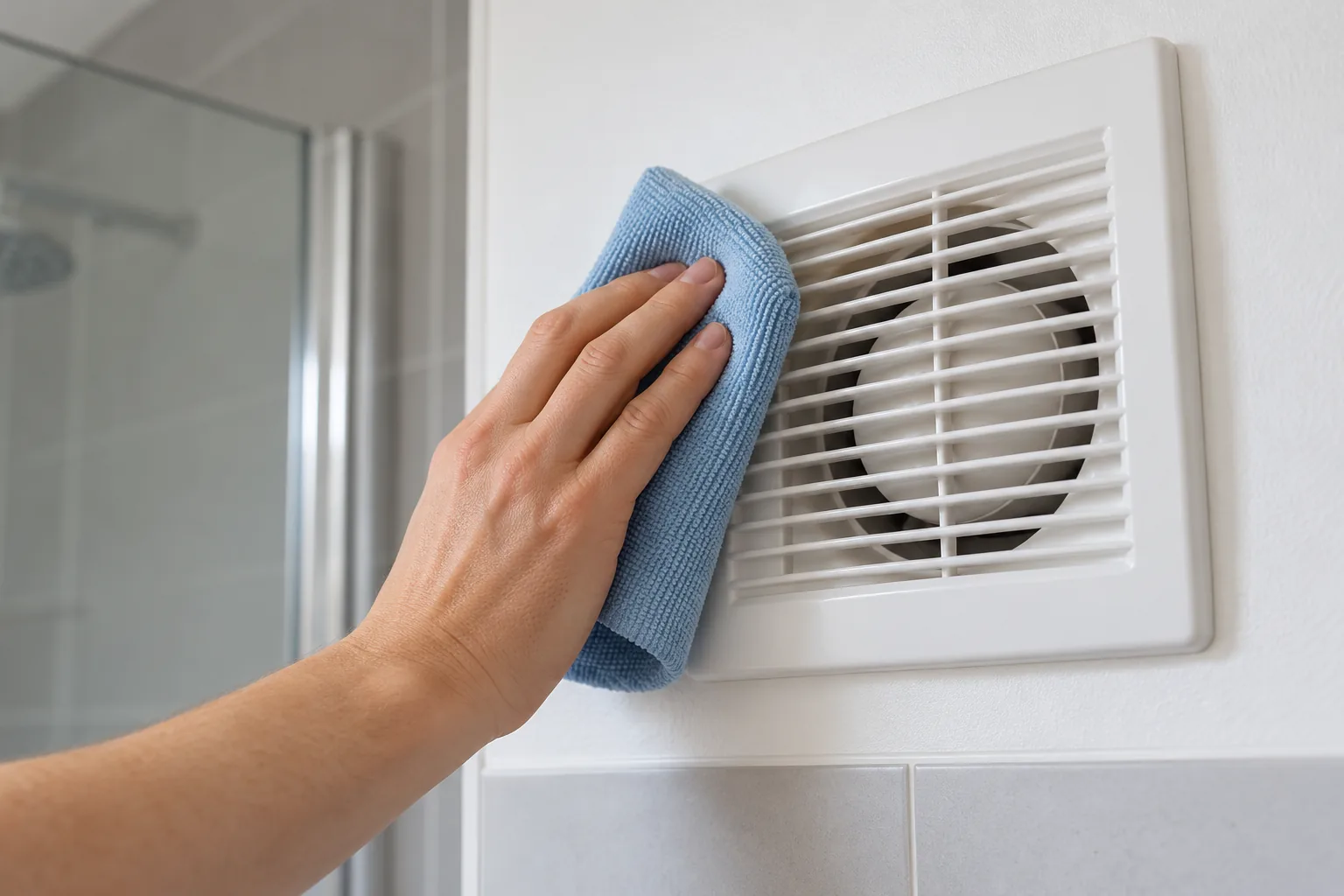
For marks that remain after dry dusting, check whether the manual permits a damp lint-free cloth on the front. The Vent-Axia Lo-Carbon Centra instructions, for example, say the inlet and front face may be wiped with a damp cloth after isolating the supply. That applies to that model; another fan may have a different cleaning procedure. Xpelair’s Simply Silent instructions tell users to isolate completely, clean the front cover as specified, dry it thoroughly and never immerse the fan housing. Follow your own model’s directions.
Use a cloth that is barely damp, not dripping. Wipe the outer grille and reachable frame with light pressure, avoiding seams and any control sensor. Never spray cleaner or water into the unit. Do not use a steam cleaner or pour liquid through the slots. A strong solvent or chemical cleaner may damage plastic or finishes; Xpelair’s instructions explicitly reject strong detergents and solvents for the cited model. If your manual allows a mild detergent, apply it to the cloth at the stated dilution, wipe away residue and dry fully.
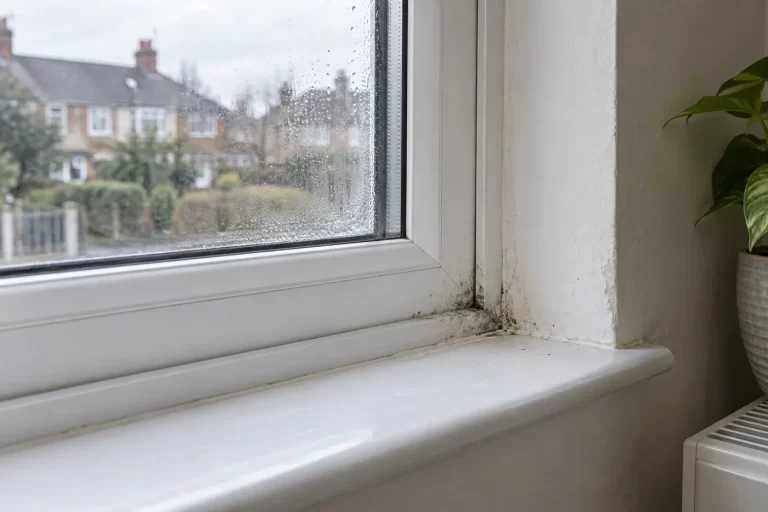
Check the wall or ceiling around the fan separately. A damp mark, bubbling paint, black spotting or a water stain may indicate condensation or a leak, not merely grille dirt. Clean only appropriate sound surfaces and assess the source of moisture. Our condensation and mould prevention checks cover broader household clues. Do not let a wet cloth run behind the grille or into the fan’s mounting opening.
Leave internal cleaning and faults to the right person
Some manuals allow the front cover to be removed and washed. That does not mean every household should disassemble every fan. If the required isolation is unclear, clips are brittle, the unit is high or the model’s manual calls for specialist maintenance, stop at the outer surface. Never remove a motor cover, loosen wiring or alter a timer or humidity setting as part of dusting. A registered electrician can assess installation and electrical faults.
After the grille is dry and any permitted cover is correctly refitted, restore power as the manual directs. Observe the fan during normal operation from a safe distance. It should run without unusual noise, vibration or smell. Electrical Safety First advises switching it off and contacting a registered electrician for burning smells, buzzing or crackling, or repeated circuit-breaker trips. Do not keep operating a damaged or overheated fan to see whether it improves.
If the bathroom stays unusually steamy despite a clear outer grille, observe whether the fan starts during normal use. Its performance depends on the whole ventilation path, not just the visible front. Report poor extraction, a persistent damp patch or an inoperative fan to the property owner or a competent professional. Cleaning cannot fix a failed motor or hidden duct blockage.
Build the check into ordinary bathroom care
How often the grille needs dusting depends on use, airborne lint and the fan’s location. Look at it during regular bathroom cleaning and remove visible buildup before the slots become covered. The task should be quick when dust is light. Keeping the surface clear also makes it easier to notice a change in sound or operation. Add the check to a routine rather than waiting for a thick grey ring to appear.
Keep vents and the area around the fan unobstructed. Do not hang towels over an intake or paint across its openings. Use the fan according to its manual when bathing, and allow it to complete any normal overrun cycle. A clean grille supports ventilation, but the whole room still needs a sensible moisture routine: wipe standing water where practical and follow the home’s ventilation arrangements.
Our article on how dust affects your health gives wider context for managing household dust. If you want accessible surfaces included in a broader upkeep schedule, regular home cleaning may help. Electrical isolation, internal fan maintenance and repairs remain specialist tasks. Keep that distinction clear when arranging any cleaning visit.
Common questions
Can I wipe a bathroom fan grille while the light is off?
Not necessarily. A timer or humidity sensor may keep the fan powered after the light goes out. Identify and use the correct isolator or circuit as the manual directs, then wait until the fan has stopped. If you cannot identify the supply, ask a competent person before cleaning it.
Should I remove the grille to wash it?
Only if the exact model’s manual allows removal and explains safe isolation, handling, drying and refitting. For routine surface dust, the outer face can often be cleaned without removing it. Do not force clips or expose wiring to reach hidden dirt.
What if the fan is noisy after dusting?
Switch it off if the noise is unusual, especially with vibration, a burning smell, buzzing or trips. A clean front grille does not rule out a motor, duct or installation fault. Arrange assessment by a registered electrician or the appropriate maintenance service.