Star Domestic Cleaners
Menu
MOULD & MOISTURE · ACTON

Mould Removal Acton

A patch that returns needs its history considered alongside the surface. Tell us what changed and how long the improvement lasted. We inspect accessible concerns and discuss suitable work in Acton.

  • Recurrence history considered
  • Accessible moisture concerns investigated
  • Treatment scope explained
Small dark marks at a bathroom wall and tile corner
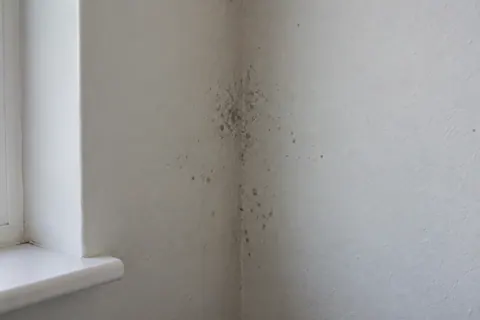
Dark surface speckles along a painted wall corner

Keep a short timeline of the problem.

Note when the patch first appeared, when it was treated and when you noticed it again. Photographs taken on different dates can be useful, particularly if the area changes between wet and dry periods. Explain products or work already tried, including any repair that happened nearby. Give an overall room view as well as the surface detail without disturbing affected material. A timeline helps describe the problem without deciding its cause in advance.

Other household dirt can be discussed through a one-off home clean. Returning mould needs its own assessment and treatment request rather than another general cleaning task.

A return is information, not a complete diagnosis.

Condensation, a leak or water entering the building can involve different work, and more than one source may be present. Tell us about dampness and known water incidents rather than assuming the patch proves one cause. Accessible inspection and moisture investigation help establish appropriate next steps. Repeated, extensive or suspected hidden growth may require further professional assessment. Removing visible mould alone does not necessarily address the source of moisture.

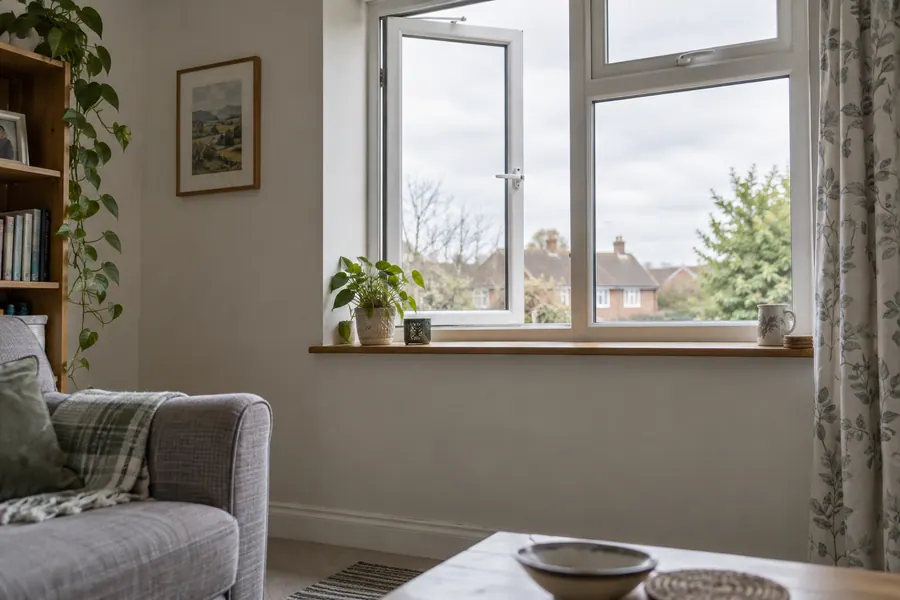
Partly open window in an ordinary sitting room

Explain which part of the room keeps changing.

Condensation on a window with dark marks near the inner frame

Bathroom surfaces

Identify paint, tile joints or sealant and show the wider shower or bath area. Mention known extraction difficulties and recurring wet areas. Failed sealant or damaged finishes need distinguishing from growth on a surface that can be retained and suitably treated.

Window surrounds

Include the frame, reveal and adjacent wall in photographs. Say when condensation or wetness is noticed and whether the marks extend beyond the window. The location alone cannot decide the cause, so moisture concerns and condition need considering together.

Kitchen areas

Describe the wall, joints or accessible area beside cupboards and appliances. Mention previous plumbing work or water marks. Do not open a cupboard backing or remove an appliance to find more evidence; explain limited access so investigation can be discussed.

Agree visible work and source questions separately.

Surface treatment

We discuss suitable cleaning and treatment of agreed accessible surfaces after considering material, extent and condition. Explain softened, flaking or damaged areas before booking; a new-looking finish cannot be assumed from surface treatment.

Moisture investigation

The enquiry includes inspection and relevant moisture checks to consider the problem behind the visible patch. We explain observations and supported advice. Further concealed investigation needs its own agreed access and scope rather than an assumption that every source is found immediately.

Additional repairs

Clarify plumbing, ventilation installation, material replacement or decoration separately if required. An inspection or treatment amount does not automatically include those tasks. Ask who will carry out additional work and which items have actually been agreed.

From the history to agreed work.

Describe the recurrence

Send the postcode, photographs and timeline, including earlier products. Explain restricted access and any occupant arrangements that need discussion. This gives the inspection a clear starting point instead of repeating treatment without the history.

Review accessible findings

We inspect the agreed concern and discuss materials and relevant moisture observations. Ask which areas are suitable for treatment and whether further assessment is needed. Keep a distinction between what is observed and what still needs investigating.

Confirm scope and preparation

Check the named surfaces, investigation, treatment and any separate tasks in the quote. Discuss preparation and access before the appointment. If the findings change the work needed, ask for the revised scope and amount before agreeing it.

Visible affected wall corner beside a freestanding cabinet

Bring the record, not a freshly scrubbed patch.

Keep dates, photographs and earlier product details ready. Explain furniture or belongings that block access instead of dragging heavy items or disturbing the surface. Ask what needs clearing and how people and pets should be accommodated for agreed work. If you are also arranging cleaning before a property handover, describe mould separately and explain the deadline; a general handover clean is not its treatment.

Health questions need appropriate advice.

Damp and mould can affect health. Speak to a healthcare professional if symptoms concern you; a surface photograph cannot supply a medical explanation. Government guidance on damp and mould explains the health risks and the importance of addressing underlying causes. Do not mix products or improvise another treatment while waiting. Discuss relevant occupant concerns and preparation with us before work is arranged.

Record changes after the agreed work.

Follow the treatment advice and check which moisture-related steps remain. Note dates if wetness or marks return and report them for appropriate assessment. A visibly improved surface is not proof that every source has been corrected. Routine cleaning of ordinary household surfaces can have a separate role once suitable treatment and moisture work are addressed; it does not provide mould remediation or prevention guarantees.

Quote the investigation and suitable tasks.

Material, extent, access, investigation and treatment affect the requested scope. Confirm which inspection and surface work the total covers and ask about separately quoted follow-on tasks. Ordinary room-cleaning rates do not calculate a mould price. Explain the returning patch so the amount relates to the current enquiry, rather than assuming an earlier cleaning quotation still covers the work now needed.

Use the actual Acton postcode.

We serve Acton; availability and arrangements need confirming for the address and concern. Provide relevant entry details and explain who can approve work if a landlord or agent is involved.

Questions about returning mould

Why give dates of earlier cleaning?

They help explain recurrence and what happened afterwards. Include products and any related repairs instead of treating the patch as a new unexplained mark.

Does a return prove the cause is condensation?

The cause should be assessed. Give moisture observations and water history; the visible pattern alone does not settle the explanation.

Can you treat an area that has already been sprayed?

Explain the product and timing first. Suitable surface work depends on material, condition and the agreed scope after inspection.

Should I scrub it before sending photographs?

Keep the condition clear and explain previous attempts. Do not disturb affected material or add another improvised treatment for the enquiry.

Does treatment guarantee it cannot return?

Moisture and outstanding work matter. Ask about next steps and report returning patches so further assessment can be considered.

What if a landlord arranged earlier work?

Keep the details and report the recurrence to the landlord or agent. Clarify who can approve assessment and any separately required repairs.

Tell us when the patch came back.

Call with the Acton postcode, photographs and a short timeline. Discuss inspection, moisture concerns and suitable work before booking.

Generated photographs illustrate affected surfaces and room conditions. They are not customer cases or evidence of treatment results.