
Windows
Include the frame, nearby paint and safely visible wetness as well as the mark. Describe repeated condensation or known water-entry history. A cropped image of dark growth is less useful than a view showing where it sits.
A photograph starts the conversation; it does not settle the cause. Show us the affected part of your Shepherds Bush home and tell us its history. We discuss accessible inspection, moisture investigation and suitable visible surface treatment before agreeing work.

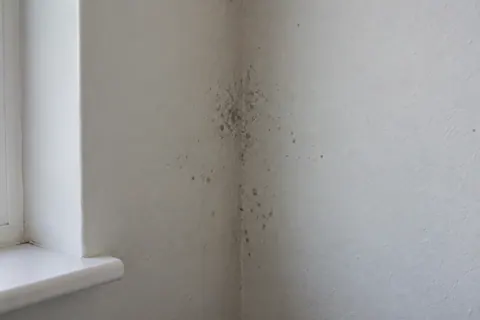
Take a whole-room view if it is safely possible, then a closer view of the affected surface. Describe its position in ordinary terms: above the window, beside the bath or behind a visible furniture edge. Add approximate size, when you noticed it and whether it keeps returning. A photograph cannot show every hidden condition, so avoid relying on an image alone to decide what is causing it.
For dust, grease and household tasks in other rooms, request ordinary one-off cleaning separately. A list of cleaning tasks does not replace investigation of mould and moisture or make those concerns part of a routine clean.

Keep earlier photographs if you have them, together with repair dates, reports of leaks and the names of products applied. Say if furniture or stored items restrict access, rather than moving something heavy for a better image. Do not open walls, remove affected finishes or mix cleaning products. Ask what should be cleared safely and what arrangements are needed for people and pets when the visit is agreed.

Include the frame, nearby paint and safely visible wetness as well as the mark. Describe repeated condensation or known water-entry history. A cropped image of dark growth is less useful than a view showing where it sits.
Show the accessible wall or cupboard edge and explain any known plumbing history. Avoid moving appliances or taking units apart. Grease elsewhere can be noted as a separate cleaning task.
Show whether the growth is on grout, sealant, tile or paint. Mention a recurring ceiling patch or damaged seals. Do not climb or disturb material to obtain a picture.
We investigate accessible moisture concerns using the reported conditions and history. Ask which findings are supported and which matters need further assessment. An image or first inspection cannot rule out every concealed problem.
Suitable treatment is discussed for the agreed materials and condition. Extent, fragile finishes or concealed involvement can affect the response. We do not assume that every mark will disappear or every surface will regain its original finish.
Repairing leaks, replacing seals, installing ventilation or redecorating needs separate agreement. A recommendation is not confirmation that its supply and installation are included. Have any extra task and responsibility explained.
Tell us if the patch follows visible wetness, appears in several places or returns after earlier cleaning. Condensation, leaks and water entry are possible questions for investigation; the address or photograph does not choose one explanation. We discuss suitable next steps from accessible findings. Widespread, persistent or suspected hidden mould calls for appropriate professional assessment rather than a quick conclusion from a close-up picture.

Send postcode, affected surfaces, photographs and known previous work. Explain access limits and recurring or concealed concerns at the start.
Discuss inspection, moisture observations and suitable treatment. Ask what remains uncertain and whether another assessment or separately arranged repair is recommended.
Confirm surfaces, included investigation, amount and preparation. Clarify any exclusions and have revised work explained if the findings change what is needed.
Material, extent, access and the investigation required matter to the request. Ask what can be confirmed from the enquiry and what needs inspection first. Check whether assessment and surface treatment are included together and whether other tasks incur a separate charge. An everyday cleaning rate is not a mould-removal tariff, and an initial image does not establish a fixed answer for every home.
Damp and mould can affect health. Speak with a healthcare professional about symptoms and consult government damp and mould guidance about the importance of causes. Do not mix chemicals or add more products to test a patch. Report earlier use; HSE guidance on cleaning substances explains relevant precautions.
Follow the instructions for the agreed work and ask which source-related tasks remain. If growth or wetness returns, record dates and photographs without disturbing it. A visibly clearer surface is not an assurance that every moisture concern has been resolved. Ongoing housekeeping through regular home cleaning stays separate from that follow-up. For rented homes, report concerns to the landlord or agent as well.
Give the complete postcode, rooms and access contact, including any relevant handover deadline. We can discuss times and the assessment required. If you also need move-out cleaning, identify that separately and keep the mould and moisture request clear.
A photo helps us understand location and extent, but it cannot establish every moisture source or hidden condition. Accessible inspection and further assessment may be needed.
No. Clear, safely taken pictures with a wider view and a close surface view are useful alongside a plain description and history.
Tell us about the restricted access. Do not move it or dismantle it for the enquiry; discuss access before work is arranged.
Relevant repair or leak information can help explain the history. Include what happened and when, without assuming it proves the present cause.
Yes, describe ordinary cleaning tasks separately and confirm their own scope. They are not a substitute for investigating mould and moisture.
The named surfaces, included assessment and treatment, amount, preparation and any separate work should be clear before you accept.
Share your postcode and safely visible details. We will discuss inspection, suitable treatment and the scope to confirm.
Generated photographs illustrate affected surfaces and room conditions. They are not customer cases or evidence of treatment results.