Star Domestic Cleaners
Menu
MOULD & MOISTURE · HAMMERSMITH

Mould Removal Hammersmith

A cupboard, bed or fixed lining can hide part of a problem. Explain what can be seen and what limits access without moving heavy items. We can discuss inspection and suitable mould work for your Hammersmith address.

  • Access restrictions identified
  • Hidden areas kept clear
  • Preparation agreed before work
Visible affected wall corner beside a freestanding cabinet
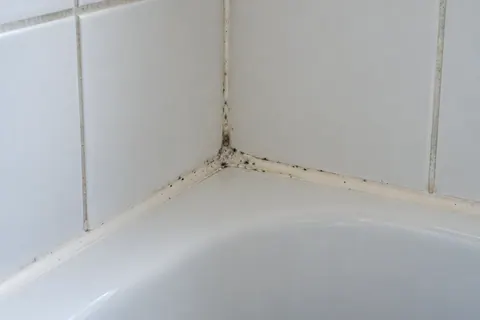
Dark speckles on a bathroom seal and grout joint

Describe the visible part without exposing the hidden part.

Give the location of growth and what stands in front of it. Include a wider room view and a surface detail where reachable. If a unit prevents the wall being seen, say so. A photograph of its outer face cannot establish the condition behind it, and an accessible inspection should not be mistaken for examination of unopened construction.

For unrelated room tasks, one-off domestic cleaning has a different scope. It does not automatically include mould treatment or dismantling furniture to investigate moisture.

Small affected wall area beside a kitchen window

Explain what obstructs the area before moving anything.

Identify heavy furniture, fitted cabinets, locked spaces and entry arrangements. Keep photographs, dates and earlier product or repair details ready. Ask what belongings need clearing and who can move them safely. Do not drag heavy items away, remove panels or disturb affected material merely to prepare the enquiry.

If an agent is arranging a handover, separate end-of-tenancy tasks can be coordinated with suitable mould work. The deadline does not remove the need for appropriate access and assessment.

Let the access limits shape the plan.

Plan inspection

Give the postcode and reported concern with the spaces available. We discuss accessible inspection and moisture checks, including how a recurring or extensive area affects the enquiry. Hidden positions need identifying before attendance.

Explain what was examined

We discuss the accessible findings and what remains unseen. Ask which observation supports proposed treatment and whether further exposure or a separate check would answer another question. Do not infer a full concealed assessment from one visible surface.

Agree preparation

Confirm included surfaces, investigation and practical arrangements for occupants. Any additional opening or changed work needs a clear purpose and scope. A revised amount should be explained before further tasks are agreed.

Keep each obstruction and material identifiable.

Condensation on a window with dark marks near the inner frame

Bathroom access

Show painted ceiling, grout or a flexible seal, with the bath or shower in the wider view. Explain panels or fittings concealing adjacent material without opening them. Dirty or damaged sealant, surface growth and a water-source question can require different decisions.

Window area

Include the frame, sill and nearby wall, noting curtains or furniture that limit what can be reached. Describe visible moisture timing. A patch behind furnishing does not prove why it grew or place responsibility on the occupier.

Kitchen units

Identify the affected cabinet, wall or tile joint and any known water incident. Fixed appliances and inaccessible fittings should be described early. Cleaning grease or clearing contents is not the same scope as assessing hidden growth or moisture.

Separate accessible treatment from further exposure.

Surface tasks

We assess included material and condition before discussing suitable cleaning and treatment. Damaged or concealed layers can need a different response. Ask which positions are actually included rather than assuming every area behind a room’s fittings is covered.

Moisture work

Inspection and cause investigation consider accessible evidence and the reported history. Another water route or hidden condition may need further checks. The purpose and access for those checks should be stated.

Repairs and making good

Treatment does not automatically include plumbing, structural repair, dismantling, replacement or redecoration. Clarify authorisation, who does additional work and whether it is separately quoted. Investigation is not every repair being completed.

Restricted access can leave an important question open.

Condensation, leaks and external wetting may need consideration, sometimes together. Removing visible growth does not necessarily address the source, especially where material remains concealed. Recurring, extensive or suspected hidden mould warrants appropriate professional assessment. In a rented home, report the condition to the landlord or managing agent and explain who can authorise relevant access.

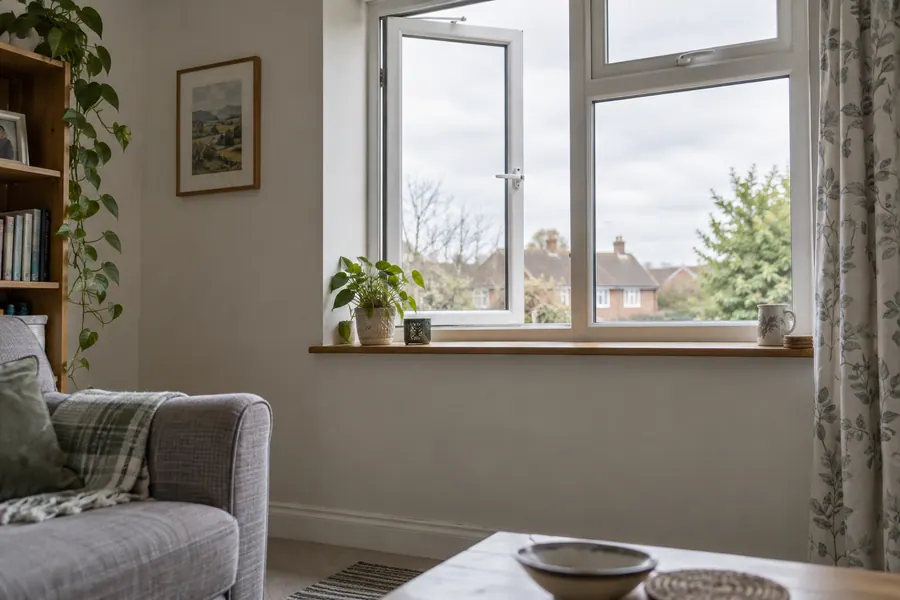
Partly open window in an ordinary sitting room

Preparation should not create another treatment attempt.

Do not mix products or disturb the area to make it easier to photograph. Tell us what has already been applied and discuss occupant requirements. HSE cleaning-substance precautions provide official advice about chemical handling; actual room arrangements should fit the agreed work.

If you have symptoms or health concerns, speak with a healthcare professional. Government guidance on damp and mould covers risks and the importance of moisture action. A cleaning appointment is not personal medical advice or a guarantee about room air.

Keep inaccessible limits attached to the findings.

Retain instructions and any recommended moisture or access work. A cleaner-looking front does not prove concealed material is resolved. If wetting or growth returns, describe its location and the work completed since the first enquiry. Regular household tasks remain separate from mould investigation and treatment; they do not clear hidden construction or prevent recurrence.

Access is part of the work to be described.

The area, material, condition, investigation and access affect the quotation. Confirm included assessment and surfaces, with unusual access or follow-on work identified separately. Ordinary room-cleaning figures are not a mould tariff. A close-up alone cannot establish the full concealed extent or make an unplanned opening part of the price.

Arrange the Hammersmith enquiry with clear entry details.

We cover Hammersmith. Give the full postcode, preferred date and who can provide entry or approve work. Check availability for the actual scope.

Mould enquiry questions for Hammersmith

Should I dismantle a fitted cupboard for photographs?

No unplanned dismantling is needed for an enquiry. Explain what it conceals and discuss appropriate access and assessment first.

Does inspecting a cupboard face clear the wall behind it?

No. Accessible findings should retain the limitation where concealed material has not been examined.

Can a bed remain where it is when I call?

Describe its position and show reachable areas. Discuss preparation before attempting to move a heavy item.

Who should authorise an opening in rented property?

Explain the landlord or agent arrangements. The purpose, permission and responsibility for additional work need agreeing rather than assuming access.

Are all clearing tasks part of a mould quote?

Ask which preparation and movement are included. A treatment appointment should not be read as an unagreed furniture-removal service.

What if the visible patch is only a small part?

Say that access is restricted and describe the suspected extent honestly. Appropriate assessment can plan around the uncertainty.

Explain what is visible and what is blocked.

Call with your Hammersmith postcode, photographs and access details. Discuss suitable inspection, treatment and a clear scope.

Generated photographs illustrate affected surfaces and room conditions. They are not customer cases or evidence of treatment results.