Star Domestic Cleaners
Menu
SURFACE MOULD & MOISTURE · FULHAM

Mould Removal Fulham

Tell us where mould has appeared and whether it has returned. We’ll inspect accessible affected areas, investigate moisture concerns and discuss suitable treatment, with the scope explained before work is agreed.

  • Affected surfaces inspected
  • Moisture concerns investigated
  • Treatment and next steps explained
Small dark marks at a bathroom wall and tile corner
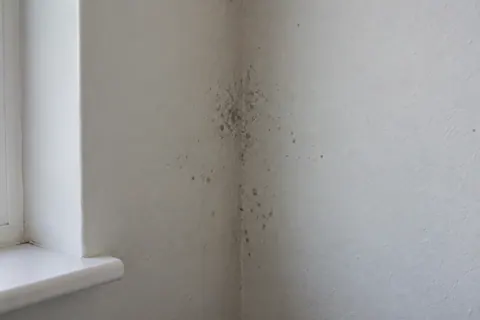
Dark surface speckles along a painted wall corner

Start with where it appeared, and what changed.

Send an overall photograph and a surface detail. Say when you first noticed the patch, whether it has spread or returned, and mention water marks or an earlier leak. Include products already applied.

Mould treatment needs its own enquiry. A one-off clean for other household tasks is a separate service, rather than a substitute for assessing affected surfaces and the moisture behind the problem.

Describe the location and the material.

Condensation on a window with dark marks near the inner frame

Bathrooms

Explain whether the affected area is on tile, grout, sealant or a painted wall. Include the shower or bath in a wider photograph. Mention recurring patches and known extraction problems. Cleaning a surface and replacing damaged sealant are different tasks; the proposed work should distinguish them.

Windows and nearby corners

Show frames, reveals and the surrounding wall, and describe any condensation you have noticed. A patch beside a window does not establish the cause by itself. Say if the same area becomes wet repeatedly, so the inspection can consider the surface and moisture together.

Kitchens

Identify walls, tile joints or areas near cupboards and appliances. Tell us about a known plumbing issue or repeated moisture without dismantling anything. A partly hidden patch needs its access explained. Grease cleaning elsewhere in the kitchen does not replace mould assessment or treatment.

Visible treatment and moisture work belong in one clear plan.

The affected surface

We discuss suitable surface cleaning and treatment after considering the material, condition and access. Damaged finishes or material affected beyond the visible face may need different work.

The moisture concern

Inspection and moisture investigation form part of establishing the work needed. We consider reported dampness, condensation and possible hidden leaks, and explain the findings and advice. If further investigation is required, its scope needs agreeing rather than treating an initial observation as a complete diagnosis.

Repairs and replacement

Clarify any repair, replacement or redecoration requirement separately. A treatment quote should not be read as including plumbing, structural damp repairs, new finishes or all work behind a wall. Ask who will carry out any additional work and what has actually been agreed.

How the work is discussed.

Look at the area

We arrange inspection and relevant moisture checks for the enquiry. Explain restricted access and recurring or widespread patches early, so the assessment is planned around the actual problem.

Explain the findings

We discuss affected materials, moisture concerns and next steps. Ask which areas can be treated and which need further assessment. Methods, access and limits should be clear before accepting a quotation.

Agree the work

Confirm the named surfaces, treatment, investigation and any follow-on tasks in the scope. Discuss preparation and occupant arrangements before the appointment. If the findings change what is needed, ask for the revised work and amount to be explained before agreeing it.

A returning patch needs more than another wipe.

Moisture may involve condensation, water entering the building or a leak. More than one issue can be present, and the pattern of visible mould alone does not settle the explanation. Simply removing it does not necessarily address the moisture source. Repeated, extensive or suspected hidden mould calls for appropriate professional assessment.

For a rented property, report the problem to the landlord or managing agent as well. Keep dates and photographs available; arranging treatment should not replace reporting a moisture or repair concern.

Small affected wall area beside a kitchen window
Visible affected wall corner beside a freestanding cabinet

Prepare information before moving anything.

Keep photographs, dates, earlier products and repair details ready. Describe furniture or belongings that limit access; do not pull heavy items away, disturb affected material or open walls to investigate. Ask what needs clearing and how people and pets should be accommodated for the agreed work.

If a property handover is approaching, explain the deadline when arranging the separate end-of-tenancy clean. A handover date does not change the mould assessment needed.

Health concerns and safe preparation

Damp and mould can affect health. If you are concerned about symptoms, speak to a healthcare professional; a photograph or cleaning enquiry cannot provide a medical diagnosis. The UK government guidance on damp and mould explains the risks and the need to address underlying causes.

Do not mix chemicals or improvise treatment while waiting for advice. HSE guidance on cleaning substances explains chemical precautions. Tell us about relevant occupant concerns when discussing the work and ask about preparation and access arrangements.

Check the next steps, not just the appearance.

Follow the instructions for the agreed treatment and ask what moisture-related work or further assessment remains. Keep a record if dampness or mould returns. A cleaner-looking surface does not prove that a hidden leak has been repaired or that the problem cannot recur.

Once appropriate treatment and moisture work are addressed, routine cleaning for ordinary household tasks has its own role. It is not ongoing mould remediation or a guarantee against recurrence.

Ask for the assessed work in the quotation.

The affected area, materials, access, investigation and suitable treatment need describing before the work can be priced. Confirm which assessment, surface tasks and follow-on work the total covers, with any separate charges explained. Ordinary room-cleaning rates are not a mould tariff. Ask whether any further investigation or repair is quoted separately.

Enquire for your Fulham address.

Send the postcode and relevant entry details with the photographs. We serve Fulham, while appointment availability and the arrangements for this problem need confirming. Explain who can provide access or approve work if a landlord or agent is involved.

Questions before arranging mould work

Can a photograph tell you why mould appeared?

It helps describe the location and surface. Inspection and moisture investigation are needed to consider the cause rather than diagnosing it from the patch alone.

Is moisture investigation part of the enquiry?

We inspect and investigate moisture concerns when establishing suitable work. Clarify the investigation, treatment and any further tasks in the agreed scope.

Does treatment include fixing a leak?

Leak investigation and repair are different tasks. Ask what has been identified, who will carry out any repair and whether it is separately agreed.

Can mould behind a cupboard be assessed?

Explain the restricted access and what is visible. Do not dismantle furniture or disturb affected material yourself; discuss the appropriate assessment and access first.

Will bathroom sealant look new afterwards?

Treatment is not a promise of a new finish. Describe damage or staining and clarify whether suitable cleaning or separate replacement is needed.

Will the mould definitely stay away?

Mould can return if moisture remains. Ask which further work is needed and report any returning patches so appropriate assessment can be arranged.

Should I book a deep clean instead?

Ordinary domestic cleaning has a different scope. Describe mould directly so suitable assessment and treatment can be discussed rather than assuming a general clean covers it.

Tell us where the mould is.

Call with the Fulham postcode, photographs and a brief history. Discuss inspection, moisture concerns and the suitable work before booking.

Generated photographs illustrate affected surfaces and room conditions. They are not customer cases or evidence of treatment results.