Star Domestic Cleaners
Menu
MOULD & MOISTURE · HAMPSTEAD

Mould Removal Hampstead

A surface can have visible mould and damage at the same time. Show peeling, soft or changed material alongside the growth. We inspect accessible areas and discuss suitable treatment and next steps for Hampstead.

  • Material condition described
  • Retained surfaces discussed
  • Repair questions separated
Dark marks at a bathroom ceiling and window corner
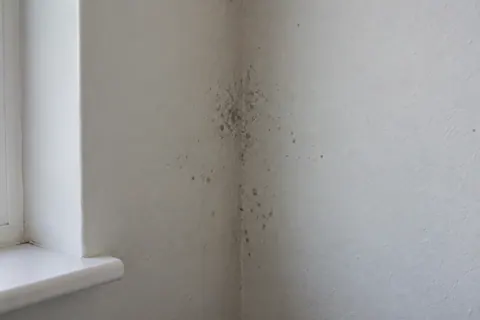
Dark surface speckles along a painted wall corner

Explain the material changes as well as the marks.

Give the location, surface type and what has changed in its condition. Paint lifting, a softened panel and visible growth are different observations. Include photographs of the complete position and a detail without scraping or removing material. Say which repairs or treatments happened previously and what remained afterwards, rather than treating every changed finish as removable dirt.

For separate room work, ordinary deep cleaning information concerns household tasks. It should not be treated as a substitute for assessing mould, damaged material or the moisture behind it.

Ask what is treated, retained or left for another task.

Accessible surfaces

We consider the included material, condition and extent before proposing suitable cleaning and treatment. A damaged finish may need a different response from growth on sound material. Confirm the positions addressed and any limit on what can be retained.

Moisture findings

We inspect and investigate accessible moisture concerns and discuss the reported history. Another source or concealed-material question may remain open. Any further investigation needs its purpose and access agreed rather than inferred from one observation.

Replacement or repair

A treatment quotation does not automatically include plumbing, structural work, replacement finishes or decoration. Ask who carries out recommended follow-on tasks and how they are priced. Investigating the cause and completing every repair are separate scopes.

Keep the different finishes in each room distinct.

Dark speckles on a bathroom seal and grout joint

Bathroom

Identify painted ceiling, grout or sealant and show the wider shower or bath setting. Describe damage separately from visible growth. A surface treatment cannot rebuild a failed flexible seal, and replacement needs its own scope rather than an assumption that everything will look new.

Window-side wall

Show the frame and adjacent reveal with any peeling or staining. Explain droplets, persistent wetting or changes after weather where known. A location beside glass does not establish the cause or prove a window needs replacement.

Kitchen

Locate growth and material changes against cupboards, fittings or an appliance. Include known water incidents without opening fixed units. A softened board and grease on a tile face are different concerns; ordinary kitchen cleaning does not decide treatment or replacement of affected material.

Let the condition inform the proposed work.

Set out the concern

Give the postcode, surfaces, photographs and available access. We discuss inspection and relevant moisture checks around that account, including returning growth, extensive areas or layers that are not visible.

Discuss the findings

Ask what supports keeping a finish, proposing treatment or recommending another assessment. Accessible findings should retain their limits. A room appointment does not establish that every concealed part is sound.

Agree identifiable tasks

Confirm included surfaces, investigation, preparation and occupant arrangements before work. If the condition changes the proposal, ask for the revised scope and amount before accepting additional tasks or replacements.

A better-looking finish is not a moisture repair.

Condensation, a leak or external water entry may need investigation, with more than one concern possible. Removing visible mould or covering its marks does not necessarily resolve wetting. Recurring, widespread or suspected concealed growth needs appropriate professional assessment. If you rent, report the condition to the landlord or agent and retain dated observations alongside treatment arrangements.

Condensation on a window with dark marks near the inner frame
Visible affected wall corner beside a freestanding cabinet

Leave affected finishes intact for the enquiry.

Keep earlier photographs, repair details and product names ready. Do not scrape, sand or open material just to produce a clearer picture. Explain heavy or fixed furniture restricting access and ask what needs clearing. If building work follows assessment, cleanup after building work is a separate task, not repair or mould treatment.

Discuss safe arrangements rather than try another product.

Tell us about relevant occupants and practical access needs. Do not mix chemicals or improvise treatment before instructions for the agreed work. HSE guidance about cleaning substances explains precautions. Describe earlier products honestly so the care history remains useful.

Personal symptoms need advice from a healthcare professional. The official damp and mould health guidance explains risks and addressing moisture. A condition photograph or cleaning enquiry cannot supply a medical diagnosis or guarantee a health outcome.

Keep material and moisture decisions visible.

Retain instructions and details of any repair, retained finish or recommended investigation. If the appearance changes again, explain new wetting or growth separately from an old cosmetic stain. Follow-on decoration should not be assumed to prove the source is resolved. Routine household cleaning has a separate scope rather than serving as continuing mould remediation.

Ask which material tasks the total includes.

Area, condition, material, access, investigation and proposed treatment affect the quote. Clarify which assessment and surfaces are included and what needs a separate price. Room-cleaning figures do not set a mould tariff. Photographs can describe visible damage but cannot define every hidden layer or automatically include replacement and reinstatement.

Check the Hampstead booking details.

We serve Hampstead. Give the postcode, preferred date and entry arrangements, and check availability for the concern described. Explain who can approve work in a rented or managed property.

Mould enquiry questions for Hampstead

Should peeling paint be described separately?

Yes. Identify visible growth and material deterioration as distinct observations, with photographs and earlier work details where available.

Can cleaning rebuild softened board?

Treatment is not material reconstruction. Describe its condition and ask which work can be retained, treated or separately replaced.

Does a mould patch prove the window needs replacing?

Not by location alone. Show the opening and surrounding condition so appropriate inspection can consider the evidence.

Should I scrape the finish before calling?

Do not disturb affected material to prepare the enquiry. Photograph what is safely visible and discuss access first.

Is decoration included after treatment?

Do not assume so. Confirm any repair, replacement and finish work separately, including who arranges it and its quotation.

What if a stain remains but the growth looks different?

Describe the specific change and timing. An old mark and renewed growth are different observations for a follow-up enquiry.

Describe the growth and the changed material.

Call with your Hampstead postcode and photographs. Discuss suitable treatment, moisture findings and any separate work needed.

Generated photographs illustrate affected surfaces and room conditions. They are not customer cases or evidence of treatment results.