
Suitable surface work
We consider the affected material, access and extent before agreeing cleaning or treatment. Ask about restrictions where a finish is failing or the affected condition extends beyond the visible face.
Painted walls, tile joints and sealant are different materials. Tell us which parts are affected and whether any finish is damaged. We’ll discuss the moisture concern alongside suitable treatment for the West Hampstead property.

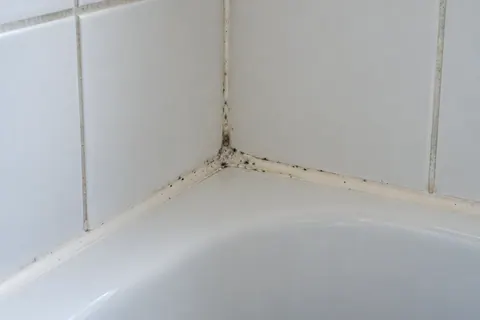
A photograph can show the location, but describe whether the affected part is painted plaster, a frame, tiles, joints, sealant or another finish. Include a wider view so a small detail is not mistaken for the whole area. Mention cracking, peeling, softened material or earlier replacement without trying to remove anything for a closer look.
The aim is to establish suitable work on the actual condition. Visible growth and a damaged finish can require different next steps. Say if the material is unknown or hidden behind furniture. An honest access limit is more helpful than assuming every part can be treated in the same visit.
We consider the affected material, access and extent before agreeing cleaning or treatment. Ask about restrictions where a finish is failing or the affected condition extends beyond the visible face.
We inspect accessible areas and investigate moisture conditions. Findings and advice can help identify further checks or tasks needed alongside surface work; an observation is not necessarily a complete diagnosis.
Renewing sealant, replacing plaster, installing equipment or carrying out building repairs is not automatically included. Clarify each additional task and whether someone else is arranging or quoting it.

Give the wall or ceiling position and distinguish tiles, grout, sealant and paint. Mention recurring wetness or known extraction concerns. Staining or failed sealant may remain a separate issue from treating accessible growth.
Describe frames, sills, reveals and neighbouring walls. Note when wetness appears and provide any earlier leak or repair history. A patch in the corner does not by itself prove the moisture source or the condition behind the finish.
Identify affected walls or joints and what blocks access near units or appliances. Mention a known plumbing problem without dismantling anything. Ordinary grease removal elsewhere in the room is a separate task, not mould investigation.
Condensation, a leak or water entering the building may contribute, sometimes in combination. Tell us when the condition appeared, whether it returns and what earlier treatment or repairs were attempted. Widespread, recurring or suspected concealed mould calls for appropriate professional assessment. Cleaning the visible surface alone may not resolve the source of moisture.
Where findings or work from another professional are available, keep them ready. They provide context for what is known and what still needs checking, rather than proof that the current concern is already resolved.

We discuss the photographs, history and accessible affected areas. Explain damaged material and restrictions early so the assessment is planned around the property.
Inspection and moisture findings inform the proposal. Ask which surface tasks are suitable, what may need further assessment and which parts remain outside the current work.
Check treatment, investigation, preparation and any further task in the scope. Access and occupant requirements should be clear, with changed work or charges explained before acceptance.

Keep photographs, dates and any known finish or product details ready. Ask which belongings need clearing and how furniture access will be managed. Do not sand, scrape, open a wall or add more chemicals to investigate. For ordinary tasks in other parts of the home, use a separate household deep cleaning enquiry, with mould work kept distinct.
Avoid mixing chemicals or applying improvised treatment while waiting for instructions. HSE guidance on cleaning substances explains chemical precautions. Discuss practical needs for people and pets when arranging access. If someone has a health concern, seek appropriate healthcare advice rather than a diagnosis or air-safety assurance from a cleaning quotation.
Keep the treatment instructions and any advice about moisture investigation or further repairs. Record returning patches and seek appropriate assessment if the condition persists. A surface looking cleaner does not prove that concealed water entry is fixed. Routine household cleaning can address other ordinary tasks, but it is not continued mould remediation or a guarantee against recurrence.
Extent, condition, access and investigation influence the proposed work. Confirm which surface treatment and assessment are included, with further checks or replacement separately explained. A room count alone is not a price for mixed affected materials. If the work relates to a handover, arrange the separate tenancy cleaning service and discuss timing without assuming a deadline changes the mould assessment required.
We serve West Hampstead. Send the address information with the surface history and photographs. Explain who can supply entry or approve the work if a landlord or agent is involved. Appointment availability and the practical arrangements for this problem need confirmation; coverage does not set a visit time by itself.
Yes, where known. Different materials and existing damage help explain the work requested and any limitations.
Treatment is not a promise of a new finish. Describe peeling or damage and clarify whether a separate repair or reinstatement task is needed.
Ask what is proposed. Suitable treatment and replacement are different tasks, with inclusion needing explicit agreement.
It is useful information, but moisture conditions and the wider history still need assessment. Do not infer a complete cause from the finish alone.
Do not disturb affected material for the enquiry. Explain what is accessible and agree any further access required.
Check the included treatment and investigation for the reported areas, and have any excluded or additional work explained.
Call about the West Hampstead address with the affected-surface details. Discuss suitable inspection, treatment and a clear proposal for the work.
Generated photographs illustrate affected surfaces and room conditions. They are not customer cases or evidence of treatment results.