Star Domestic Cleaners
Menu
MOULD & MOISTURE · KILBURN

Mould Removal Kilburn

Earlier cleaning can change the surface without settling the moisture problem. Tell us what was used and what happened afterwards. We inspect accessible areas and discuss suitable mould work for your Kilburn address.

  • Previous care history included
  • Surface changes described
  • Moisture questions considered
Small dark marks at a bathroom wall and tile corner
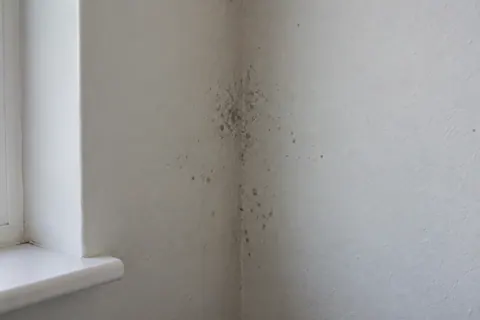
Dark surface speckles along a painted wall corner

List earlier attempts without adding another one.

Give the affected position, approximate dates and products used where known. Say whether the mark became lighter, spread or returned, and include current and earlier photographs if available. An unsuccessful application can still be relevant to material condition. Explain missing history honestly instead of guessing a product or treating every change as fresh growth.

An ordinary deep-cleaning booking is a different service. Describe mould directly rather than asking for a stronger version of household wiping and assuming it addresses moisture too.

A new product is not automatically the missing answer.

Condensation, leaks or external wetting can need investigation, sometimes together. Repeated surface care does not necessarily resolve moisture or prevent growth returning. Appearance alone cannot decide the source. Recurring, extensive or suspected concealed mould warrants appropriate professional assessment rather than another improvised treatment aimed only at making the patch look different.

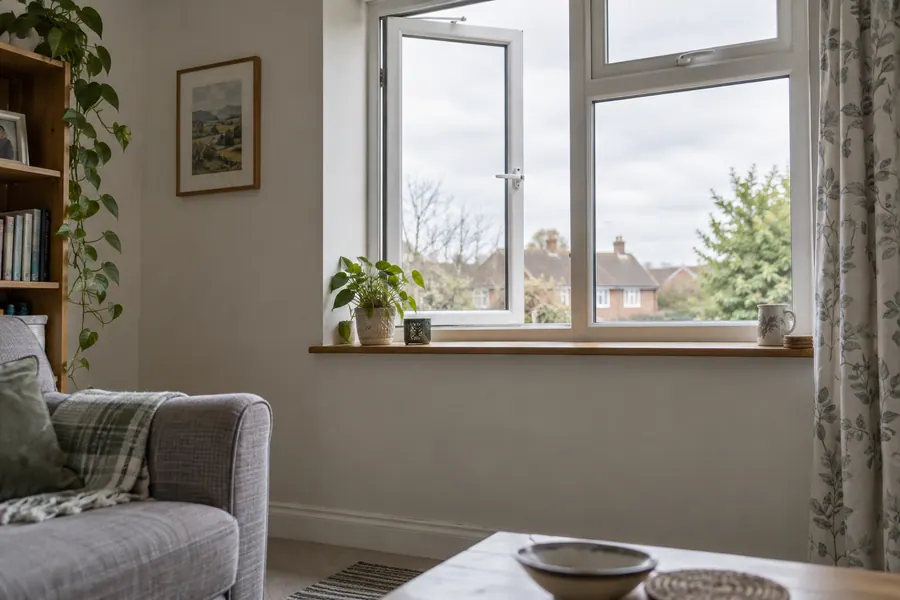
Partly open window in an ordinary sitting room

Use the care history to plan suitable work.

Describe what happened

Give the postcode, surfaces and earlier applications with their visible effects. We discuss accessible inspection and relevant moisture checks. Explain recurring or partly hidden areas and any access restriction before attendance.

Consider current condition

We explain accessible findings and which next step the evidence supports. Ask what is damage, uncertainty or a treatment concern rather than assume an old product established a safe process. Hidden conditions retain their access limits.

Agree the proposal

Confirm included investigation, suitable treatment and preparation. Occupant arrangements should fit the actual work. If findings change the tasks, ask for revised inclusion and price before accepting additional work.

Keep each earlier application with its surface.

Dark speckles on a bathroom seal and grout joint

Bathroom

Identify paint, grout and sealant with the wider shower or bath setting. Say where a product was applied and what changed. Dirt, damaged seals and visible growth need distinct descriptions; treatment does not automatically include replacing every discoloured finish.

Window area

Show frame, sill and surrounding wall, including any pale patch or changed coating after care. Describe visible moisture timing separately. A product reaction or window-side mark does not establish the source or prove a replacement opening is required.

Kitchen

Locate the affected finish beside fittings or units and list known applications or water incidents. Do not dismantle cabinets to check hidden effects. Ordinary grease cleaning and assessment of damaged or mould-affected material are different tasks.

Make the current material and moisture work clear.

Included treatment

We assess accessible surface condition before discussing suitable cleaning or treatment for named areas. Damaged material can need another response. Ask what can be retained and which limits apply rather than expect every finish to look new.

Source investigation

Inspection and moisture checks consider accessible evidence and the history. Further source or material questions may remain. Their purpose and access should be agreed instead of treating past cleaning as a complete moisture assessment.

Separate work

Plumbing, structural repairs, ventilation installation, replacement and decoration are not automatically in a treatment quote. Clarify who carries out recommended tasks and how they are priced. Investigation is not every repair being completed.

Visible affected wall corner beside a freestanding cabinet

Retain information and leave the affected material alone.

Keep photographs, dates, product labels where available and any repair details ready. Do not mix products, scrape finishes or open walls to prepare. Describe heavy or fixed furniture limiting access and ask what belongings need clearing. If a handover is planned, separate tenancy-cleaning tasks do not replace appropriate mould assessment.

Tell us about products and practical occupant needs.

Avoid an improvised treatment or chemical combination while the enquiry is being arranged. HSE’s advice for cleaning substances explains precautions. Discuss access and occupant requirements so preparation can follow the actual agreed work rather than another home recipe.

For symptoms or health concerns, contact a healthcare professional. Government information on damp and mould explains risks and moisture action. A product history or cleaning enquiry cannot provide medical diagnosis or promise a health and air-quality outcome.

Separate new growth from a changed finish.

Keep treatment instructions and outstanding moisture recommendations. If the area changes again, report the position, date and work completed in between. An old cosmetic stain, product damage and new growth need different accounts. Routine home cleaning remains an ordinary household service rather than ongoing mould remediation or a prevention guarantee.

Quote the appropriate work now, not earlier attempts.

Area, material, condition, access, investigation and suitable treatment affect the proposal. Confirm assessment and named surfaces in the amount, with additional charges or tasks separated clearly. Ordinary room figures are not a mould tariff. Pictures and a care history help describe the enquiry but cannot reveal every concealed condition or guarantee the required scope.

Discuss your Kilburn postcode and available arrangements.

We serve Kilburn. Give the preferred date, entry details and who can approve work if another owner or agent is involved. Confirm availability for the concern described.

Mould enquiry questions for Kilburn

Should an unsuccessful product be mentioned?

Yes, where known. It may have changed the surface even if the visible concern remained, so describe its use and effects.

Does a lighter patch mean the mould was resolved?

Appearance alone does not settle the moisture or material question. Explain what changed and any returning growth for assessment.

Can I try a stronger product before calling?

Avoid adding another improvised application. Share earlier care and discuss suitable work for the actual surface and condition.

What if I do not remember the product name?

Say what you know and identify missing details honestly. Do not invent a treatment history to complete the enquiry.

Can cleaning restore every changed finish?

No new-finish result should be assumed. Damage, staining and growth need separate descriptions and suitable scope decisions.

Why keep old photographs after treatment?

They can make the same position and changes identifiable. Keep dates and distinguish cosmetic marks from new wetting or growth.

Explain the earlier care and its effects.

Call with your Kilburn postcode, photographs and product history. Discuss suitable inspection, treatment and the work to be quoted.

Generated photographs illustrate affected surfaces and room conditions. They are not customer cases or evidence of treatment results.