Star Domestic Cleaners
Menu
MOULD & MOISTURE · KINGSTON UPON THAMES

Mould Removal Kingston upon Thames

Discuss what needs treating and what happens afterwards in the same enquiry. Describe the surfaces, moisture history and normal room use. We inspect accessible concerns and explain suitable work for Kingston upon Thames.

  • Included surfaces defined
  • Practical room use discussed
  • Outstanding moisture work clear
Dark marks at a bathroom ceiling and window corner
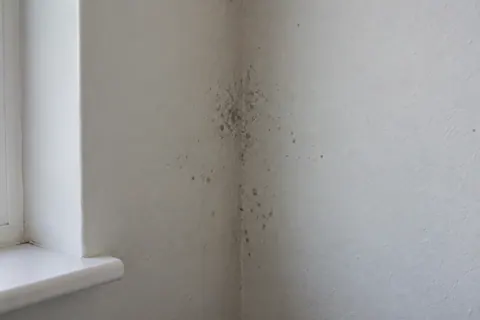
Dark surface speckles along a painted wall corner

Include the plans for using the room afterwards.

Give the affected material, extent and any known water history. Say if the room is normally occupied, contains fixed furniture or has a deadline affecting access. Those details help practical arrangements without establishing a universal treatment duration or return-to-room time. Photographs should show the full position and a safely accessible detail.

For other household tasks, a separate deep clean has another scope. It does not replace suitable mould assessment or automatically settle moisture and room-use instructions.

Ask what the completed work leaves to do.

Keep instructions for the actual treatment and clarify any moisture investigation or repair still needed. Discuss normal room use, belongings and later finishing with the provider rather than rely on a fixed interval from a general webpage. A cleaner-looking surface does not prove a hidden water source has been repaired or that growth cannot return.

If wetting or growth returns, record the same position and timing, with the work completed in between. Routine domestic tasks have a separate role; they do not provide continuing mould remediation or a prevention guarantee.

Define the surface work and follow-on questions.

Suitable treatment

We assess accessible material and condition before discussing included cleaning and treatment. Damaged finishes or hidden layers can need a different response. Confirm the named areas rather than expect every room item or finish to become new.

Moisture work

Inspection and source investigation consider reported history and accessible evidence. Further checks may remain necessary. Their purpose and access should be clear instead of treating removal of visible growth as every source question resolved.

Separate tasks

Plumbing, structural repair, ventilation installation, replacement and decoration are not automatically in a treatment quotation. Ask who will arrange additional work and how it is priced. Investigation and completing every repair remain distinct scopes.

Agree practical steps before attendance.

Describe the concern

Give the postcode, surfaces and history with any access restriction. We discuss accessible inspection and relevant moisture checks around the reported problem. Returning, extensive or partly hidden growth needs explaining early.

Understand findings

We explain accessible observations and what supports treatment or another assessment. Ask which limits remain and how the proposed work relates to the actual material. One visit cannot establish every concealed condition.

Confirm arrangements

Agree investigation, suitable treatment, preparation and occupant requirements. If the findings change the proposal, ask for revised tasks and amount before accepting further work. Keep post-work instructions connected to the job agreed.

Describe the locations which need separate care decisions.

Dark speckles on a bathroom seal and grout joint

Bathroom

Show painted ceiling, grout or sealant with the wider shower or bath setting. Explain deterioration and normal-use moisture. Surface treatment and replacing a failed seal are different tasks; neither establishes a standard result for every finish.

Window area

Include glass, frame and surrounding wall and describe droplets separately from a persistent mark. Location by an opening does not establish the source. Known repairs and changes are useful history without proving new glazing is required.

Kitchen

Locate affected finishes beside units or fittings and give known water incidents. Do not dismantle cabinets to show hidden conditions. Grease cleanup and a damaged or mould-affected board need different enquiries rather than one ordinary cleaning task.

Treatment and moisture action need to stay connected.

Condensation, a leak or external water entry may require investigation, sometimes together. Removing visible growth does not necessarily prevent recurrence while wetting remains. Returning, extensive or suspected concealed mould needs appropriate professional assessment. For a rented property, report the problem to the landlord or managing agent and retain dated records alongside treatment and repair arrangements.

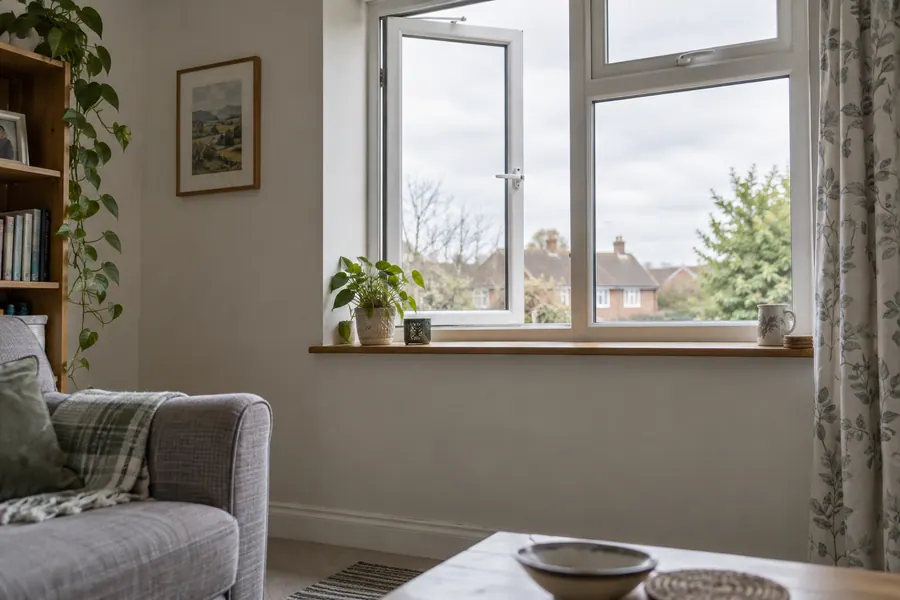
Partly open window in an ordinary sitting room
Visible affected wall corner beside a freestanding cabinet

Ask for instructions before clearing large items.

Keep photographs, dates, earlier product names and repair details ready. Explain furniture and entry restrictions without moving heavy items or opening affected material. Ask which belongings need clearing and how occupants should be accommodated. If a handover is due, ordinary tenancy cleaning remains a separate scope and cannot replace mould assessment.

Use advice for the actual task and personal health separately.

Do not mix products or improvise treatment while arrangements are made. Tell us about earlier applications and practical occupant requirements. HSE guidance on cleaning-substance precautions gives official information; preparation and room-use instructions should relate to the agreed work.

For symptoms, seek a healthcare professional’s advice. Government damp and mould health guidance explains risks and moisture action. A cleaning appointment cannot give medical diagnosis or guarantee an individual health or air-quality outcome.

Check which stages and instructions belong in the proposal.

Area, material, condition, access, investigation and suitable treatment affect the quote. Confirm assessment and included surfaces, with separate follow-on tasks or applicable charges stated clearly. Ordinary room rates are not a mould tariff. Photographs support the enquiry but cannot establish hidden extent or automatically include all source repairs and finishing work.

Check the Kingston upon Thames postcode.

We serve Kingston upon Thames. Give the preferred date, entry arrangements and who can approve work, then confirm availability for the concern described.

Mould enquiry questions for Kingston upon Thames

Is there one return-to-room time for all work?

Follow instructions for the actual treatment and scope. A general webpage cannot establish one interval for every material and job.

Does a cleaner surface prove a hidden leak is repaired?

No such conclusion should be assumed. Keep source findings and any separate repair tasks clear alongside completed treatment.

Should I arrange decoration immediately afterwards?

Discuss material condition and outstanding moisture work first. Treatment and later finishing are separate decisions rather than an automatic sequence.

Can routine cleaning provide the continuing mould treatment?

Ordinary household tasks have another role. They do not replace appropriate treatment and moisture work or guarantee prevention.

What should I ask before moving belongings back?

Follow the instructions for the agreed job and clarify any relevant room-use arrangements. Do not rely on a universal online interval.

How do I describe a return after work?

Give the same surface, timing and what happened in between, distinguishing fresh wetting or growth from an old cosmetic mark.

Discuss the work and what follows it.

Call with your Kingston upon Thames postcode and photographs. Ask about suitable treatment, practical arrangements and the quote.

Generated photographs illustrate affected surfaces and room conditions. They are not customer cases or evidence of treatment results.